 Follow Us on Google News


 Follow Us on Google Discover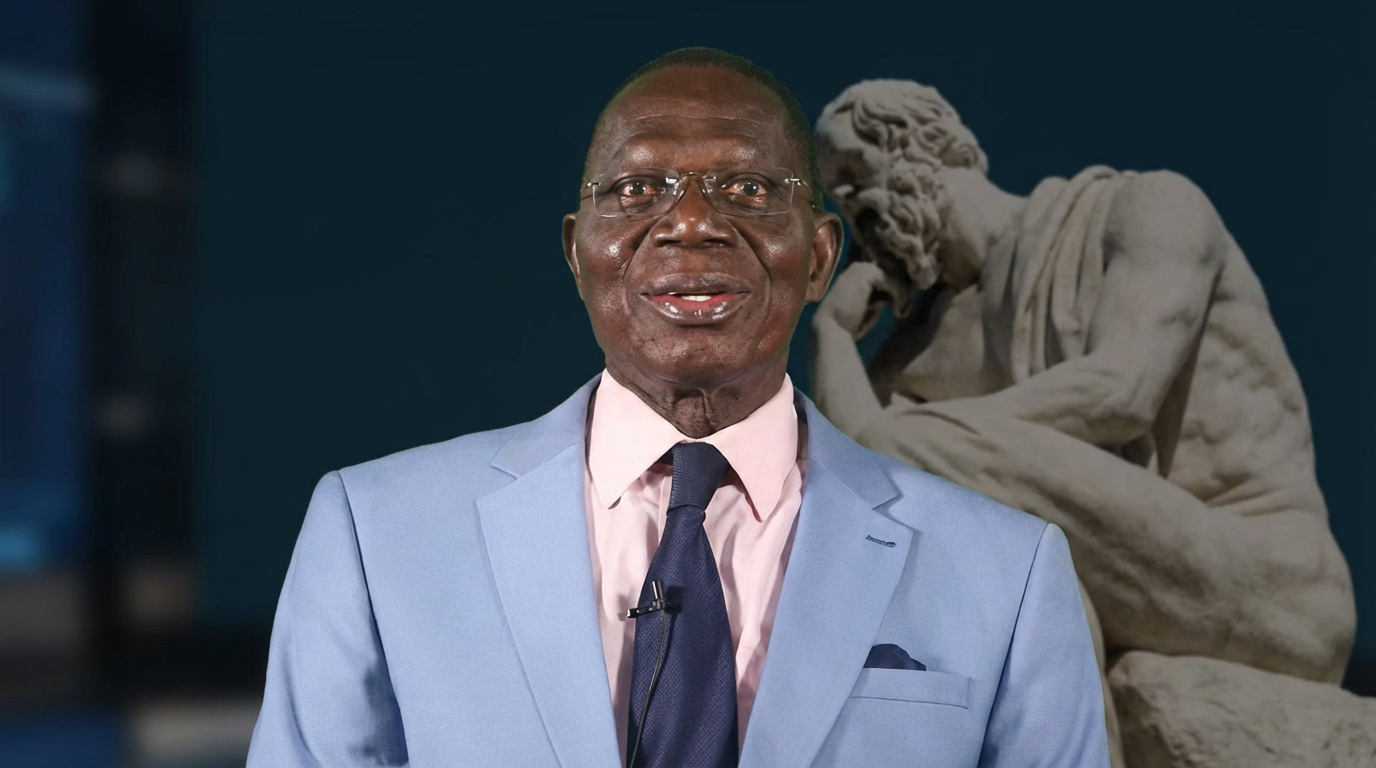
An emeritus professor at the National Open University of Nigeria (NOUN), Godwin Sogolo, has underscored the importance of African philosophy in shaping identity and strengthening cultural consciousness across the continent.
Speaking in Abuja during his 80th birthday celebration and the presentation of his book, Philosophy, Human Values and Development in Africa, Sogolo explained that African philosophy emerged later in written form largely because of the continent’s strong oral tradition, which made the preservation of ideas across generations more difficult.
According to him, philosophy is not exclusive to Europe or Asia but is an inherent reflection of every people’s culture, worldview and practical life.
“The book being presented today focuses on African philosophy. Every ethnic group and nation has its own philosophy—Chinese, Indian, European and so on. Africa is no different,” Sogolo said. “Philosophy reflects a people’s way of life, belief systems and culture. It is a reflection on practical life.”
He added that African philosophy can be examined at national and ethnic levels, including Yoruba, Isoko, Arusa, Polanyi and Igbo traditions, stressing that recognising these systems strengthens cultural identity and intellectual confidence.
Sogolo noted that African universities have historically focused on European philosophical traditions due to limited indigenous textbooks but said the continent is now documenting its own intellectual foundations.

“In Europe, written traditions preserved philosophical ideas. In Africa, much of our thought was lost over time,” he said. “Today, we are documenting and passing these ideas on. I belong to one of the first generations of African philosophers working to establish an authentic African philosophy.”
“Our goal is to produce knowledge from our own lived realities rather than seeing ourselves under anyone else’s shadow,” he added.
In his remarks, former Editor of The Guardian, Abraham Ogbodo, reflected on his professional journey and described Sogolo as a scholar whose discipline and depth left a lasting impression.
Ogbodo recalled meeting Sogolo during a sabbatical at The Guardian, which coincided with his own early days in the newsroom. “I was still relatively new, writing and finding my footing. Watching him work was an experience in itself. Every day, there was something to learn,” he said.
He added that their professional paths crossed again over time through conversations on career growth that shaped his outlook on journalism, revealing that he later returned to academia as a PhD student.
Also speaking, former Vice-Chancellor of NOUN, Abdallah Adamu, commended the Federal Government for beginning the implementation of welfare improvements for university staff.
Adamu said welfare issues go beyond salaries and include improved facilities, especially in the era of artificial intelligence. “When we began these struggles, AI was not a factor. Now it is part of our lives. Students can use tools like ChatGPT or Gemini to complete assignments. We must develop new strategies to adapt,” he said.
He noted that recent salary increments and retirement packages for professors were satisfactory, though he declined to disclose figures, and urged Nigerians to visit universities to better understand the infrastructural challenges facing institutions.
Meanwhile, former Governor of Bauchi State and Pro-Chancellor of NOUN, Isa Yuguda, described Sogolo as a national asset whose scholarship has elevated African philosophy globally. He was represented at the event by Vincent Tenebe, a former Vice-Chancellor of NOUN.
Yuguda said Sogolo’s contributions to NOUN, the University of Ibadan, the University of Benin, and other institutions across the country were worthy of emulation.
“Sogolo is an academic to the core and a teacher by excellence, whose life and work exemplify integrity, scholarship and service,” Yuguda said. “His 80th birthday is an opportunity to honour decades of dedication to teaching, research and mentorship.”

