 Follow Us on Google News
 Follow Us on Google Discover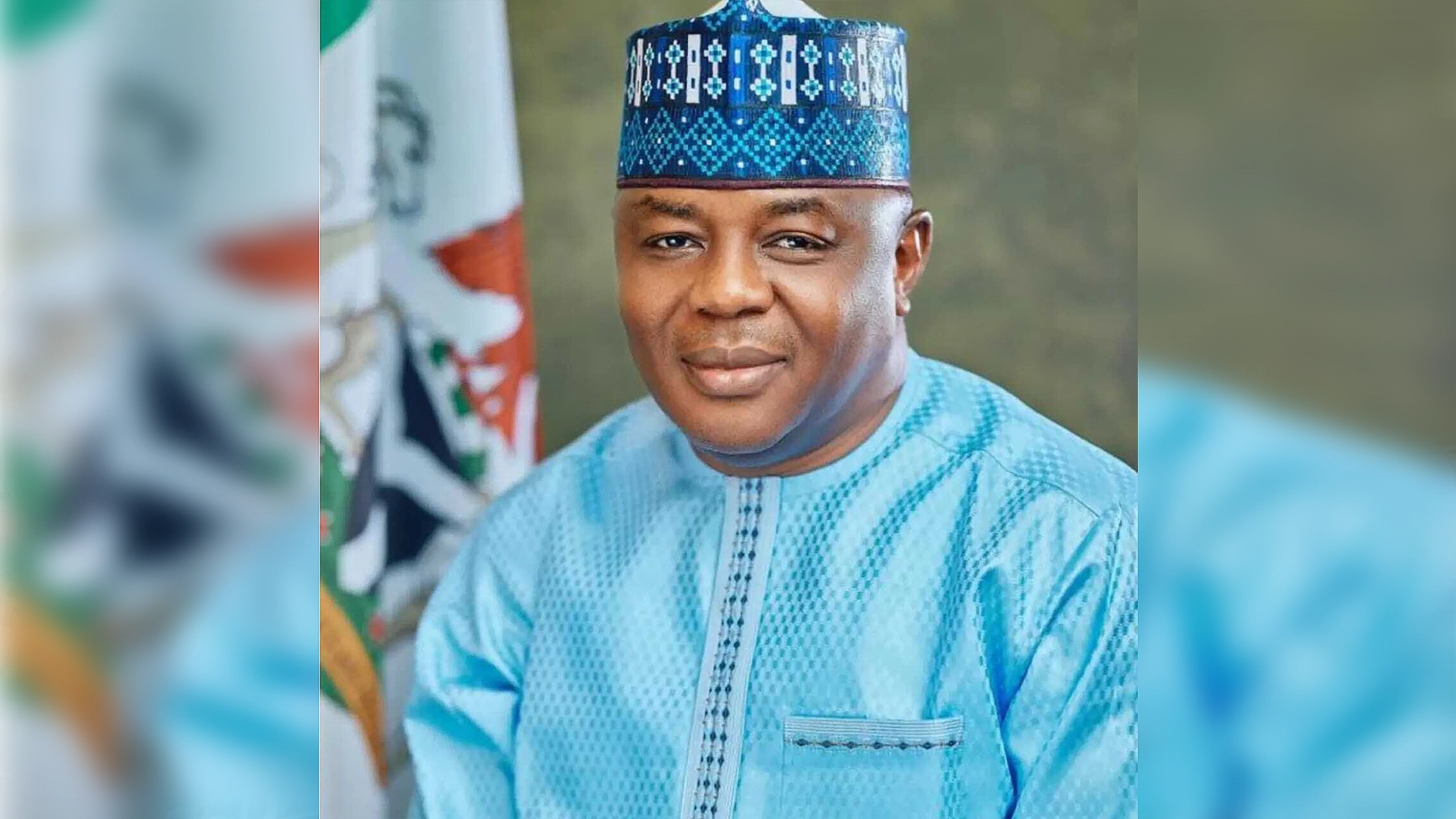
The political atmosphere in Biu town of Borno State on Friday reflected more than a routine reception for a returning lawmaker. It exposed the growing centrality of constituency projects, grassroots visibility and infrastructure delivery in shaping electoral calculations ahead of the 2027 general elections.
For hours, residents lined major streets of the town as supporters, youth groups, women associations and political loyalists staged a peaceful rally in honour of the Chairman, House Committee on the Federal Capital Territory (FCT), Muktar Betara Aliyu, following his affirmation to seek another term in the House of Representatives.
The crowd, which moved across parts of the constituency under intense heat, repeatedly chanted “Betara Oyoyo,” “Betara is Better,” and “Sai Tinubu,” underscoring the fusion of local political loyalty with broader national partisan sentiments.
But beyond the colour and celebration, the event highlighted a deeper issue in Nigeria’s democratic culture: the increasing tendency of voters to measure legislative performance through visible infrastructure and direct constituency interventions rather than parliamentary debates or legislative contributions.
Residents and supporters attributed their decision to collectively purchase the lawmaker’s nomination form to what they described as years of visible projects across the constituency, including road construction within Biu town, police stations, mini stadiums, standby ambulance buses stationed at different locations for those in need of healthcare services and other community-based infrastructure.
In many parts of Nigeria, where citizens often complain about weak government presence and poor infrastructure, such projects have become powerful political capital for lawmakers seeking re-election.

Speaking during an interaction with members of the Nigeria Association of Women Journalists (NAWOJ), Betara linked much of the development in his constituency to his legislative experience and strategic committee positions at the National Assembly.
“I’ve been in the assembly, first, second, third, fourth, and fifth time,” he said.
“The first time I went to the National Assembly, the only committee given to me was the subcommittee on customs. The second time I was chairman of the House Committee on Army. The third time I was chairman of the House Committee on Defence. The fourth time I was chairman of the House Committee on Appropriations. And now I’m the chairman of the House Committee on FCT.”
The lawmaker openly acknowledged the influence of powerful committees in attracting projects to constituencies, particularly during his tenure as Chairman of the House Committee on Appropriations.
“What you see in my constituency is because I was once chairman of appropriations. You know appropriations differ with any other committee,” he stated.
“In the parliament, after the Speaker is the chairman of appropriations. That’s the main reason you see all these projects on the ground.”
His remarks may further fuel longstanding debates around the concentration of influence within key National Assembly committees and the uneven distribution of development projects across constituencies.
Betara argued that lawmakers occupying strategic committees naturally wield greater leverage in project allocation.
“You all journalists also need to visit more places Gwaya, Bayo and Shani, to see a lot of projects,” he added.
Despite the celebratory mood, residents also used the occasion to draw attention to persistent infrastructure gaps in the region, particularly the long-awaited Gombe-Biu road.
Addressing the issue, Betara admitted that the Gombe-Bui road remains one of the major needs of the area.
“The only thing we need now is the Gombe-Biu road. And by the grace of God, we’re going to have it,” he said.
The road has remained a major concern for commuters, traders and residents across parts of the North-East due to its economic and strategic importance.
The event also underscored the evolving dynamics of constituency politics, where lawmakers are increasingly expected to function not only as legislators but also as providers of local infrastructure and social intervention projects.
For many residents at the rally, the visible projects outweighed broader questions around legislative oversight or national policymaking.
Betara himself appeared unsurprised by the turnout, describing it as consistent with previous mobilisations in his support.
“Alhamdulillah, this is not a surprise to me,” he said.
“If I call for any gathering, whether I am in town or away… the last three or four years that they gave me nomination form was even more than this.”
He disclosed plans for another large political gathering in the coming weeks.
“We are going to have a grand rally in the next two weeks. I will invite you to come. You will see a lot of people coming from other constituencies.”
The Biu gathering further reinforced how constituency development projects remain one of the strongest tools for political survival in Nigeria’s evolving electoral landscape. With 2027 gradually approaching, lawmakers with visible projects on ground may continue to enjoy advantages in voter perception, especially in areas where citizens increasingly equate representation with direct physical impact on their communities.
At the same time, the event reopened broader conversations about whether access to development should depend largely on a lawmaker’s committee influence rather than a more balanced and institutional framework for constituency growth across the country.

