 Follow Us on Google News
 Follow Us on Google Discover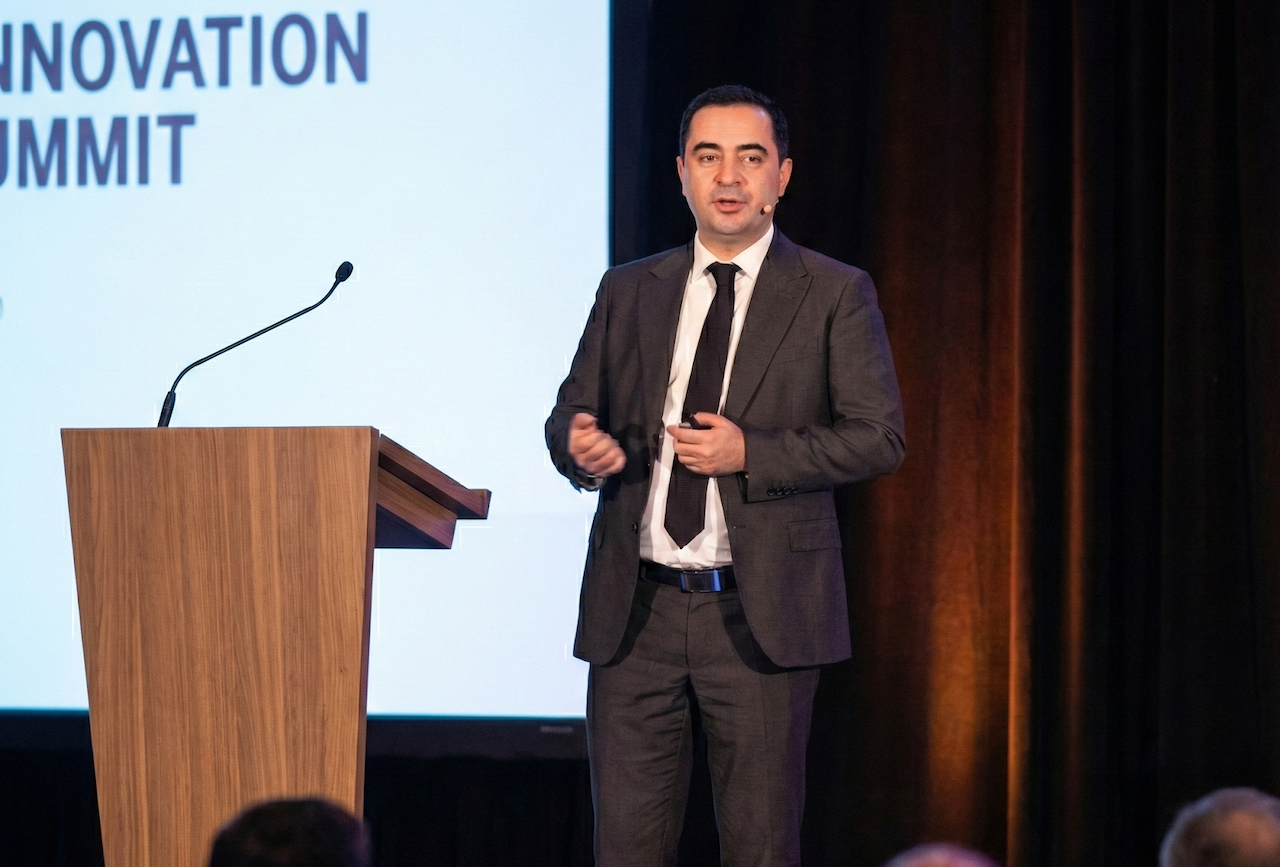
Even the best products need more than one sale to thrive. In fact, most online stores report that well under half of buyers return for a second purchase.
According to Shopify analysis average e‑commerce repeat purchase rate is between 20% to 40%, meaning most customers shop once and never come back. That low return rate is a red flag: According to Harvard Business Review, acquiring new customers costs 5–25× more than retaining existing ones, while loyal customers tend to spend far more over time. Based on information from Invesp, returning customers typically spend 67% more per order than first-timers. Based on Bain & Company analysis, even a small lift in retention (say 5%) can boost profits by 25–95%.
Given these numbers, keeping buyers engaged is essential. Industry veteran Furkat Kasimov, a digital marketing pioneer known for applying AI to marketing, emphasizes that focusing on existing customers often yields the strongest ROI. In practical terms, that means nurturing each customer with timely, personal communication after their purchase. With today’s AI tools, even small e-commerce stores can automate sophisticated remarketing that once required large teams.
Strategies to Engage and Re‑Convert Buyers
To turn one‑time shoppers into repeat customers, focus on relevance, timing, and personalization. Below are 6 proven tactics that any online retailer can implement:
- Send timely email and SMS follow-ups. After a purchase, trigger automated emails or texts thanking the customer and recommending related products (for example, “Since you bought X, you might like Y”). Include exclusive coupons or offers for their next order. Research shows that targeted emails with promotions dramatically increase repeat sales, and that well‑timed SMS messages see open rates up to 98% according to GSMA Intelligence.
- Use automated cart recovery. If a repeat customer leaves items in the cart or views products without buying, send a dynamic reminder email or SMS message. Modern tools can insert the exact cart items and even highlight low stock alerts. This kind of real-time retargeting recovers lost sales while keeping the tone helpful rather than generic. AI can take this further by deciding which nudge each customer needs (such as a price-drop alert or a product recommendation).
- Launch a loyalty or referral program. Reward customers for coming back. Create a simple points or discount system (for example, 10% off after the second purchase) to encourage a second sale. Referral bonuses (e.g. “Give $10, Get $10”) also keep people engaged and bring in new buyers. Consumers expect this: one report found 75% of shoppers prefer brands with loyalty rewards. Even small perks or early access to sales can make customers feel valued and more likely to stick around.
- Personalize based on purchase history. Don’t send the same message to everyone. Personalize messages based on what they bought, their geographic location, or lifestyle. Tailoring content this way makes messages feel relevant. In fact, a good personalization strategy can drive 40% more revenue than one-size-fits-all marketing, according to GetSelene.ai.
- Leverage multiple channels consistently. While email is core, don’t rely on it alone. Send coordinated messages on SMS, push notifications (if customers have an app or website opt-in), WhatsApp, or even social media ads to stay top-of-mind. For example, if an email reminder doesn’t get a click, a later SMS message could remind them of the same offer. (New AI tools can do this orchestration automatically.) The key is a unified approach: every channel should reinforce the same brand voice and offers, so customers see a cohesive story rather than scattered blasts.
- Focus on customer experience. Retention is about making customers happy. Provide easy returns, fast support, or helpful product tips. A positive post-purchase experience builds loyalty: one study found 84% of customers will stay with a brand after a great service experience. Follow up after a sale with care tips or thank-you notes. Even a simple “how was your order?” email can reopen communication and make customers feel cared for.
Together, these tactics create a steady flow of engagement. Instead of a “set it and forget it” campaign, imagine an ongoing conversation that adapts to each customer’s behavior. The challenge is keeping up when orders and customer data pile up. This is where AI-driven remarketing platforms truly shine.
AI-First Remarketing: Beyond Traditional Tools
Traditional customer-engagement platforms typically require teams to manually build segments and campaigns months in advance. By contrast, an AI-first customer-engagement platform like GetSelene.ai uses real-time data to tailor each interaction as it happens. GetSelene.ai’s AI-driven agents are purpose-built for marketing activities, automating time-consuming yet critical tasks. The platform handles the creation and delivery of messages, while teams focus on setting strategy and rules.
GetSelene.ai connects directly to an online store and continuously learns from customer behavior. It automatically generates one-to-one messages across email, SMS, WhatsApp, push notifications, and other channels, without the need for manual copywriting. Using principles from behavioral psychology, the platform optimizes messages to improve engagement and conversions. By analyzing customer demographics, behavior, purchase history, and engagement patterns, it delivers the right message to the right person at the right time in a way that feels personal and human. In effect, it functions like a full marketing team that writes, personalizes, and sends campaigns on autopilot.
This AI-driven approach has clear benefits for solo entrepreneurs:
- True 1:1 Personalization. Legacy tools can segment customers into a few groups, but even the best CRMs still deliver “shallow 1:many personalization” that feels generic. AI-first platforms like GetSelene.ai, on the other hand, dynamically create unique messages for each buyer based on nuanced signals. The result is authentic, relevant messaging rather than obvious templates.
- Real-time Adaptation. As customers move through their journeys, AI systems adjust automatically. For example, when a frequent buyer shows interest in a new product category, the system can immediately shift the next offer to reflect that signal. Compared with traditional static campaigns, this adaptive model removes the need to anticipate every possible path in advance, responding instead to how users actually behave in real time. As a result, teams no longer need to pre-build dozens of workflow branches because the AI dynamically handles those decisions.
- Hands-free Orchestration. Building and maintaining campaigns across multiple channels has traditionally required dedicated teams and constant oversight. AI-driven orchestration reduces that burden by grounding each action in real-time data, improving both efficiency and relevance. In practice, this can eliminate the need to manually write and manage numerous follow-up messages, as teams can simply review AI-generated content or allow it to be deployed automatically. As Kasimov has observed, AI enables businesses to shift their focus away from repetitive execution and toward more strategic and creative work.
To the point: an AI-first remarketing solution can behave like a 24/7 marketer that keeps learning and improving. Industry reports back this up: companies using AI-powered marketing agents see around 45% higher engagement and 30% lower churn than those using traditional automation. In short, AI lets even small brands send big-brand-quality, hyper-personalized messages at scale.
Bringing It All Together
For e-commerce store owners, the path from a one-time sale to a loyal customer depends on using the right tactics and tools. This starts with gathering existing customer data, such as past purchases, preferences, and behavior, and using it to power automated follow-ups, including thank-you messages, personalized recommendations, limited-time offers, and loyalty rewards. Email and SMS often serve as the foundation, with social ads or push notifications extending reach. Across all channels, communication should remain personal, practical, and focused on real customer needs.
AI can increasingly take on the operational burden of this work. As Furkat Kasimov and other experts note, modern AI-driven remarketing platforms like GetSelene.ai function as virtual retention teams that continuously learn and adapt. Instead of relying on rigid campaign builders, these systems analyze customer data in real time and generate tailored messages automatically. The result is a stream of well-timed, one-to-one communications that help even small or solo e-commerce operations build repeat business and long-term customer relationships.

