 Follow Us on Google News
 Follow Us on Google Discover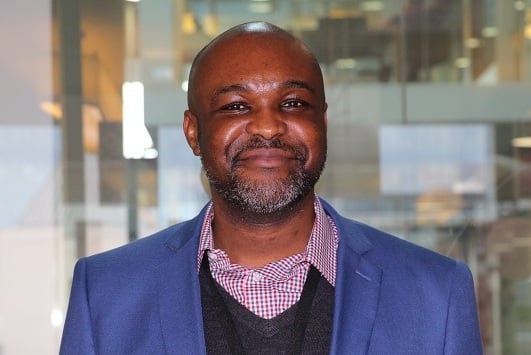
The pervasive poverty and economic hardship in Nigeria are complex issues rooted in decades of systemic failures, which cannot be solely attributed to the current administration. While President Bola Tinubu has introduced significant, albeit painful, economic reforms, the full effect of these policies has yet to be felt by the average Nigerian. The blame for the nation’s struggles must be shared, extending beyond the presidency to include the private sector and the populace itself.
Nigeria’s economic challenges are not new; they are the cumulative result of a long history of corruption, mismanagement, and over-reliance on a single commodity, crude oil. For decades, the nation’s wealth has been siphoned off through a deeply entrenched system of corruption, starving critical sectors like infrastructure, agriculture, education, and healthcare of necessary funding. The culture of “anything goes” has permeated every level of society, from petty bribery to large-scale graft. This systemic decay created a fragile economy that was already struggling before the current administration took office.
The Nigerian economy has faced several shocks over the years, including fluctuations in global oil prices and a series of policy missteps. The country’s debt-to-GDP ratio has grown, and a significant portion of the budget has been allocated to servicing debt and maintaining costly, inefficient subsidies. This historical context is essential to understanding why a few months or even a few years of reforms will not be enough to undo the damage of half a century.
President Tinubu’s administration inherited a difficult economic landscape and has chosen to implement bold reforms. The most notable of these are the removal of the fuel subsidy and the unification of the exchange rate. The fuel subsidy, while intended to make petrol affordable, was a massive drain on the national treasury and a hotbed for corruption. Its removal was a necessary step to free up funds for other critical sectors. Similarly, unifying the exchange rate was aimed at creating a more transparent and predictable market, which is crucial for attracting foreign investment.
However, these reforms have had immediate, negative consequences for many Nigerians. The removal of the fuel subsidy led to a sharp increase in the price of petrol, which in turn caused a ripple effect of inflation across the economy. Transport costs soared, affecting the prices of food and other essential goods. While the government has rolled out palliative measures, such as cash transfers and grants for small businesses and student loans, they have not been sufficient to fully cushion the impact for millions of households. The “painful yet necessary” nature of these reforms means that Nigerians are feeling the negative effects long before the promised benefits of a more stable economy can be realized.
In Nigeria, the current administration of President Bola Tinubu has not been involved in the kind of tribal politics seen in previous administrations. Currently, there is tension between the Yorubas and the Igbos ahead of the 2027 elections, but President Tinubu has been proactive in not raising the political temperature. Instead, he has made deliberate efforts to bridge divides, with his initiatives felt across the country regardless of tribal boundaries. This tension has largely been fuelled by segments of the population and the political class, underscoring how deeply ingrained ethnic rivalries still shape the nation’s political climate.
Another pressing challenge facing the country is the mass exodus of its brightest and most talented citizens. In recent years, a significant number of highly educated and skilled Nigerians, particularly professionals from the South-West and South-East have left the country in search of greener pastures abroad. Sadly, reality often falls short of expectations. Many doctors, engineers, academics, entrepreneurs, and corporate executives who once held high-ranking positions in Nigeria now find themselves taking low-paying or entry-level jobs overseas, struggling to re-establish their careers in unfamiliar environments. This “Japa” wave has been driven by frustration over insecurity, corruption, poor infrastructure, and the perception of a stagnant system at home. President Tinubu’s administration has made appeals for citizens to remain, emphasising that Nigeria’s problems can only be solved collectively, not by abandoning ship. Nonetheless, the migration continues, with many selling their houses, leaving thriving businesses, and walking away from lucrative careers, only to later confront the emotional and financial costs of starting over. This steady drain of human capital not only deprives Nigeria of valuable skills but also slows the pace of reform and economic recovery.
The problem runs deeper than governance and security, it is also about trust or rather, the lack of it. Recently, I had a deeply troubling experience that illustrates why restoring confidence must be a national priority. I mistakenly transferred funds from my Australian bank to a Nigerian bank that boasts of “putting ethics over everything” and claims “trust is the foundation of our success.” The recipient account holder, known to me, immediately agreed the funds were sent in error. At the bank’s request, I completed a formal declaration, and the wrong beneficiary also signed, confirming the money was not theirs. Yet the bank froze the funds and, without offering any reason or explanation, refused to return them to me or to the unintended recipient. To this day, the money remains in limbo. President Tinubu cannot personally police every institution, but this kind of conduct by a bank speaks volumes. How can Nigeria credibly court foreign investors if its own banks can disregard ethical obligations with impunity?
While the government’s policies are under scrutiny, it is crucial to also examine the role of the private sector and individual citizens in perpetuating the nation’s problems. A significant portion of the corruption in Nigeria is a result of collusion between public officials and private companies. From bid-rigging in government contracts to administrative corruption for licenses and permits, the private sector has often been a willing participant in corrupt practices. This behaviour distorts the market, stifles fair competition, and ultimately harms the economy.
Furthermore, a culture of impunity and a lack of civic responsibility among the general population contribute to the problem. Many citizens engage in or tolerate small-scale corruption, such as paying bribes for services, which collectively weakens the rule of law. A government can pass laws and introduce reforms, but their effectiveness is limited if the people on the ground do not embrace a change in mindset.
Nigerians must look inward and embrace positive, transformative changes similar to the disciplined, visionary approach that transformed Singapore from a struggling post-colonial state into a global economic powerhouse. Rebuilding Nigeria requires a collective effort, a commitment from every citizen to reject corruption, overcome tribal divisions, and demand accountability from all leaders, not just the president. The country’s progress depends on more than decisions made at the top, it relies on the actions, mindset, and integrity of every Nigerian.
As Nigeria approaches the 2027 elections, the nation stands at a crossroads. The choice before Nigerians is not merely about winning positions but whether we will allow old wounds of ethnic division to deepen or commit to forging a united, forward-looking country. Economic reforms alone cannot heal Nigeria if mistrust and tribalism continue to dictate our politics. Just as Singapore thrived by putting national interest above sectional rivalries, Nigerians must rise above the politics of identity and focus on shared prosperity. Unity is not a political slogan, it is the foundation on which sustainable economic recovery, social stability, and genuine democracy will be built. The future of Nigeria will not be decided solely in the corridors of power, but in the collective will of its people to stand together as one nation.
Dr. Roy Chikwem is an International Development and Project Management expert based in Sydney, Australia

