 Follow Us on Google News


 Follow Us on Google Discover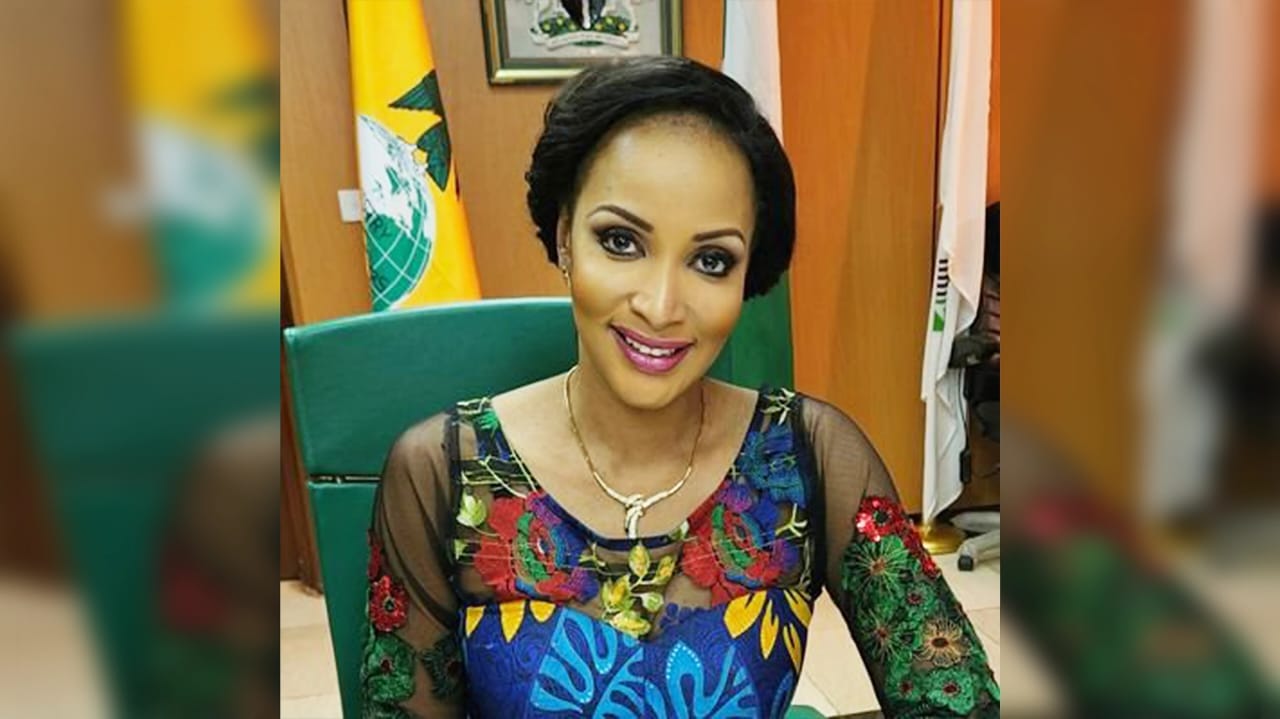
Minister of State for Foreign Affairs, Bianca Ojukwu, has declared that Nigeria remains central to Africa’s economic transformation and regional integration, insisting that the country continues to play a leading role in shaping the continent’s future despite prevailing economic challenges.
Speaking at a high-level engagement focused on Africa’s development and cooperation, Ojukwu said Nigeria’s population size, market strength, entrepreneurial capacity and strategic influence position the country as a major force in driving continental growth.
According to her, Africa’s push for deeper integration through trade, investment and cross-border partnerships cannot succeed without Nigeria playing an active leadership role.
She noted that the continent is entering a period where collaboration among African nations has become increasingly important, especially as countries seek to reduce dependence on external economies and strengthen intra-African trade.
Ojukwu stressed that Nigeria’s influence extends beyond politics and diplomacy, pointing to the country’s growing role in finance, technology, manufacturing, culture and youth-driven innovation across Africa
She also highlighted the importance of the African Continental Free Trade Area, describing it as a major opportunity for African nations to unlock economic potential, improve industrial growth and create jobs for millions of young people across the continent.

The minister maintained that stronger regional integration would help African economies become more competitive globally while improving resilience against economic shocks and external pressures.
She further called for increased investment in infrastructure, education, innovation and trade connectivity, arguing that Africa’s long-term prosperity depends on how effectively countries work together to build sustainable economic systems.
Her remarks come amid renewed conversations around Africa’s economic future, regional cooperation and Nigeria’s position as one of the continent’s largest economies and most influential political actors.

