 Follow Us on Google News
 Follow Us on Google Discover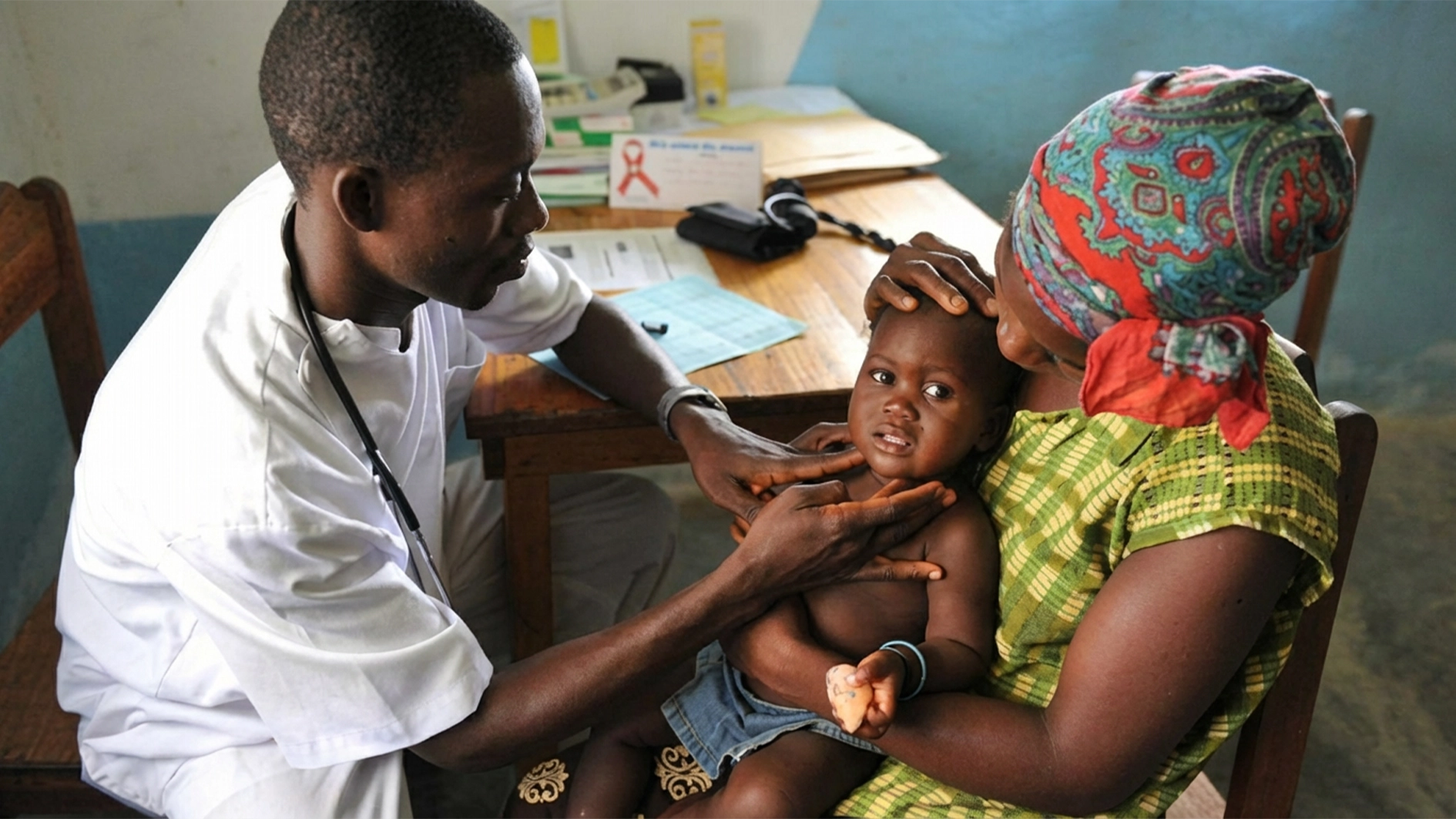
BudgIT and its partners in Nigeria’s health sector have called for a bottom-to-top approach to strengthen Primary Health Care [PHC] systems and improve accountability across the country.
The stakeholders stressed that collaboration among government institutions, civil society organisations, communities, and development partners is essential to addressing existing gaps in the health sector.
Speaking during the engagement, BudgIT Healthcare System Lead, Dr. Biobele Davidson, said the project was focused on improving health outcomes, particularly in Maternal, Newborn and Child Health (MNCH), while ensuring the inclusion of vulnerable persons in the healthcare system.
The event themed “The SCAPP Experience: Building Accountable PHC Systems from the Ground Up,” was organised by the Health Sector Reform Coalition (HSRC) in partnership with BudgIT, KADMAN and other development partners.
BudgIT and its partners on the National Stakeholders’ Social and Citizens’ Accountability for PHC Performance [SCAPP] Project said the initiative aims to share lessons from implementation in Kaduna State, promote cross-state learning and drive policy and institutional actions to strengthen social accountability in Nigeria’s PHC sector.
According to her, the initiative goes beyond citizens’ participation and seeks to drive reforms that reach communities at the grassroots level.

She said: “The goal of this project is not limited to encouraging citizens’ participation alone, but also driving reforms that will cascade down to every local community, creating a holistic system that strengthens Primary Health Care.
“Citizens must participate actively in these reforms. Inclusion is very important. Involving citizens in monitoring exercises provides a second layer of validation to assess quality, effectiveness, integrity, and service delivery in health facilities.”
He noted that the feedback mechanism enables citizens to provide unbiased assessments, which are then analysed and shared with local governments and relevant institutions.
He added that Ward Development Committees (WDCs) had also become critical in providing community-level oversight and accountability.
Davidson acknowledged that the health sector still faces challenges, including shortages of human resources, poor infrastructure, inadequate medications, and deficits in medical consumables.
He further advocated a “bottom-to-top” approach to PHC reforms, saying it allows governments to receive undiluted and unbiased feedback directly from communities.
She added, “There are many issues around primary healthcare, but they must be solved strategically and systematically. Most importantly, communities, who are the real owners of primary healthcare, should remain at the center of these reforms.”
Also speaking at the event, the Special Adviser to the President on Health, Dr. Salma Ibrahim Anas, said the Federal Government’s Renewed Health Agenda prioritises strengthening PHC facilities to achieve Universal Health Coverage.
She noted that the workshop reflected practical efforts toward strengthening PHC delivery in Kaduna State through collaboration among national, state, local government, community, and religious stakeholders.
According to her, the administration of President Bola Ahmed Tinubu had made significant progress in mobilising resources for the health sector through the Basic Health Care Provision Fund (BHCPF).
She said: “We started with one percent of the Consolidated Revenue Fund being deployed through the Basic Health Care Provision Fund. Today, that has improved to two percent. These are significant achievements under the current administration.”
Anas described Kaduna State as a model for community-driven PHC reforms and commended the growing role of Ward Development Committees in monitoring facilities and mobilising local support for healthcare delivery.
She stressed that community participation, ownership, empowerment, and public-private partnerships were essential to achieving sustainable healthcare reforms nationwide.
The meeting also sought to assess the role of community structures in PHC accountability, strengthen multi-stakeholder dialogue, and identify policy actions needed to sustain gains recorded under the SCAPP project.

