 Follow Us on Google News


 Follow Us on Google Discover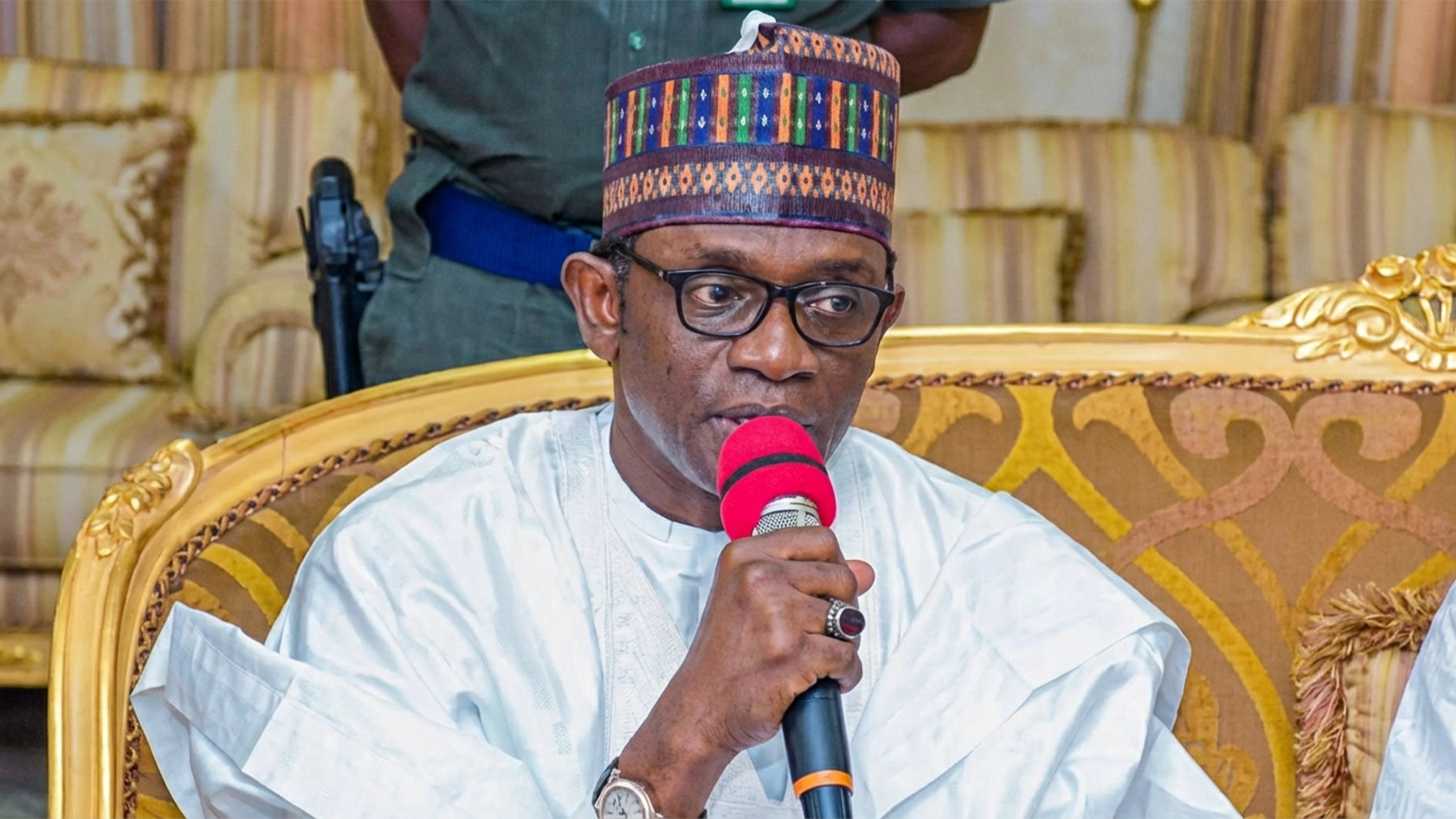
Yobe State Governor, Mai Mala Buni, has attributed the state’s progress in combating the Boko Haram insurgency to strong collaboration among security agencies and the willingness of local communities to provide timely intelligence on insurgents’ activities.
Speaking at the 16th African Business Leadership Awards (ABLA) in Westminster, London, Buni said the state’s adoption of both kinetic and non-kinetic strategies helped build public trust, encouraging residents to support security efforts with critical information.
The event was chaired by former president of Tanzania, Jakaya Kikwete, and attended by former heads of state, ministers, central bank governors, parliamentarians, diplomats, business leaders and development partners from across Africa and beyond.
Addressing participants on the theme, “Leadership in an Era of Uncertainty: Building Resilience, Inclusion, and Shared Prosperity in Africa: The Yobe State Experience,” the governor said his administration began “with a vigorous sensitisation programme for the citizens to appreciate the government’s war against insurgency and other forms of violence as a collective war that involves everyone.”
He disclosed that, while security agencies pursued military operations, the state government focused on community engagement and confidence-building. According to him, “this approach worked very positively, and locals started providing strategic and timely information on the movements and hideouts of non-state actors fighting the government and the populace.
“Parents, who were hitherto adamant in supporting the government, started volunteering critical and useful information on criminal activities in their communities, and it became all-inclusive and everyone’s business.”

The governor further explained that as security improved, the government rebuilt infrastructure destroyed during the conflict and encouraged public institutions to return to the affected communities. These measures, he added, also enabled the internally displaced persons to voluntarily return home, rebuild their houses and restore their livelihoods.
Meanwhile, Buni said his administration further declared a state of emergency in primary and basic education, reconstructing 301 schools destroyed by insurgents, establishing over 20 new schools, recruiting 7,230 teachers and training 12,714 others.
He added that over 50,000 students had also received scholarships to study at tertiary institutions in Nigeria and abroad, with the investments in education aimed at countering the ideology of insurgents who opposed formal education and boosting school enrolment across the state.
Also speaking, Imo State Governor, Hope Uzodimma, represented by the state’s Commissioner for Information, Declan Emelumba, said Africa’s development would largely depend on the performance of subnational governments. He argued that state governments remain closest to the people and therefore bear the greatest responsibility for delivering essential services.

