 Follow Us on Google News
 Follow Us on Google Discover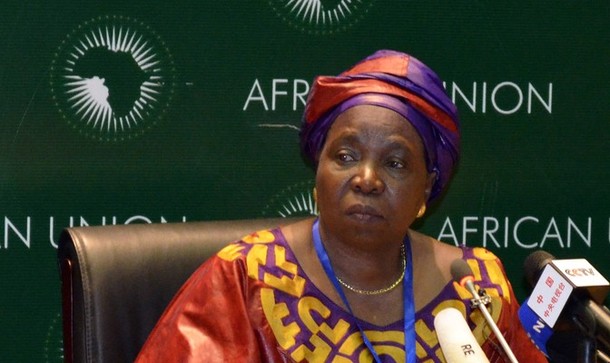
Government and opposition rivals are meeting in Burundi Friday seeking a deal after days of deadly demonstrations against a third term bid by the president, as international pressure mounts to end the crisis.
At least 18 people have been killed, including protesters and police, and scores wounded since late April, when the ruling CNDD-FDD nominated President Pierre Nkurunziza to stand for reelection, triggering daily protests.
Sources said opposition were pushing for a potential delay of the polls, after African Union Commission chief Nkosazana Dlamini-Zuma warned on Thursday the time was not right for elections.
United Nations special envoy for the Great Lakes region, Said Djinnit, appealed late Thursday for calm, after holding crisis talks in the capital Bujumbura in a bid to help strike a deal.
“It is with great concern that we note a rise in violations of human rights and acts of violence, some resulting in death including of children, and many more injured and arrested,” Djinnit said.
“I would like to appeal for the immediate cessation of all acts of violence – wherever it comes from.”
Protesters have defied repeated calls to end demonstrations, after more than a week of running battles in which over a dozen people have been killed, including police.
But the streets of the capital were quiet Friday amid torrential rains.
Opposition parties and civil society groups say Nkurunziza’s third-term quest violates both the constitution, which limits a president to two terms in office, and the accords that ended a 13-year civil war between Tutsis and Hutus in 2006.
Nkurunziza, a former rebel leader from the Hutu majority who has been in power since 2005, has come under intense international pressure to withdraw from the June 26 election.
“Everything must be done to avoid any escalation that could undermine peace and stability of the country,” Djinnit added.
“The perpetrators and instigators of acts of violence will have to answer personally before national and international courts.”
East African leaders are to hold an emergency meeting to discuss the crisis on May 13 in Tanzania.

