 Follow Us on Google News


 Follow Us on Google Discover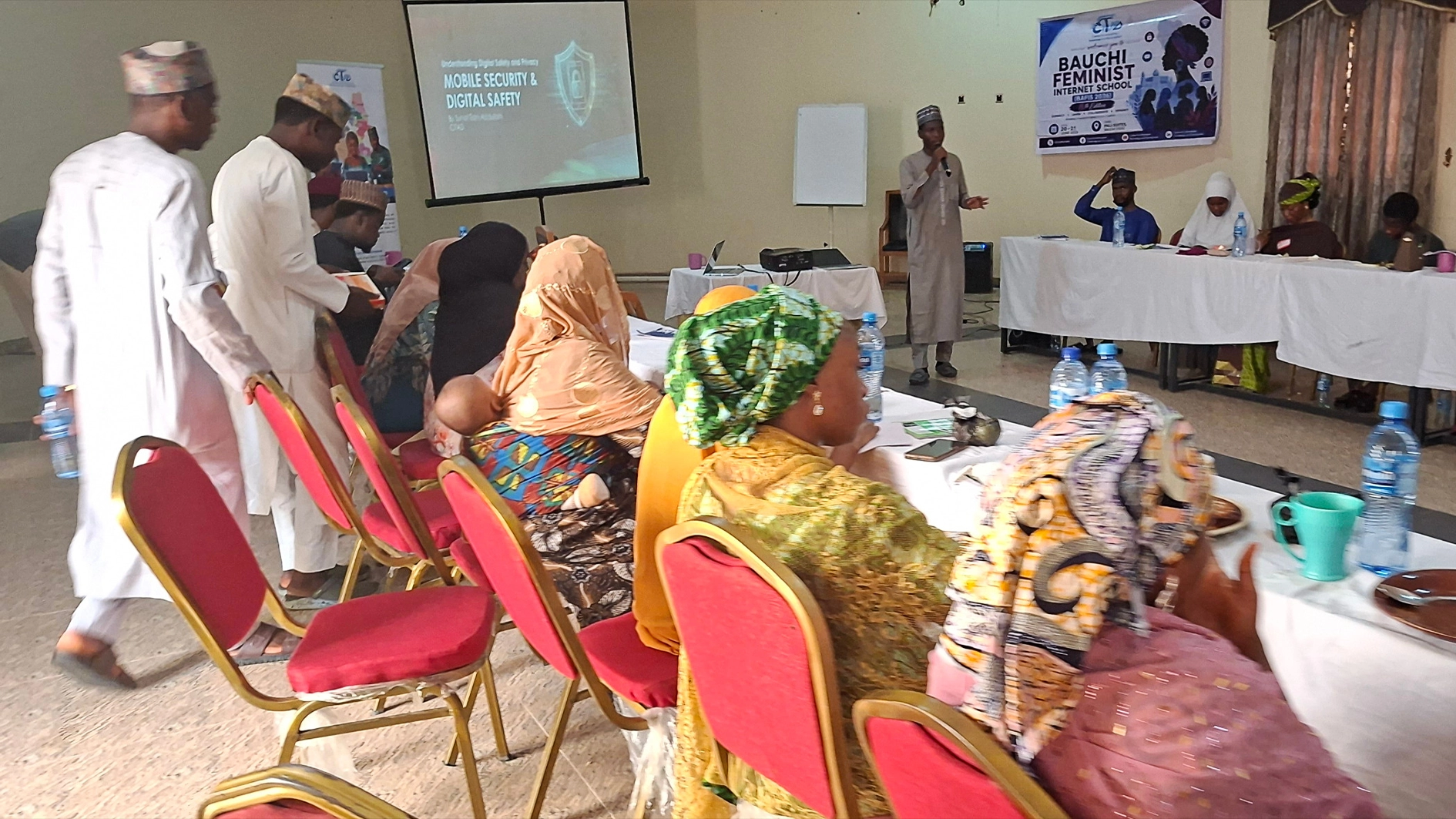
The Centre for Information Technology and Development (CITAD) has trained female internet users on digital rights, cyber security, and prevention of online abuses.
CITAD, through its ‘Bauchi Feminist Internet School (BAFIS), has trained 36 youths to expand internet penetration and political participation among the youth.
The Centre’s Executive Director, Yunusa Zakari Ya’u, said the programme was established to bridge the gender digital divide and empower young people with the knowledge and skills needed to participate meaningfully in the digital space.
“Since the programme began in 2018, we have trained about 300 young advocates across Nigeria who are working to improve the digital space for everyone,” he said.
Ya’u who was represented by CITAD’s Digital Rights Lead, Ali Sabo, noted that BAFIS has evolved into a flagship initiative dedicated to addressing gender disparities in digital access across Northern Nigeria.
“For too long, cultural and structural barriers have limited women‘s participation in the digital ecosystem. Today, we are challenging the outdated notion that technology is a space reserved for men,” he said.

He added that the programme seeks to build a sustainable network of digitally empowered women and men who will help shape the future of technology and internet governance in Nigeria.
“Our goal goes beyond basic digital literacy. We are raising a new generation of tech leaders, equipped to advocate for equal internet access and digital equity across the country.
“We are also working to dismantle systemic barriers, online violence, and socio-economic challenges that prevent women, particularly in Northern Nigeria, from safely accessing and shaping digital technologies,” he added.
Ya’u stressed the importance of women’s participation in internet governance and policy-making processes, noting that true digital inclusion requires representation in decision-making spaces.
He identified internet marginalisation as one of the major challenges facing many communities in Northern Nigeria, especially rural areas, where access to digital opportunities remains limited.
“We teach participants how to secure their devices, protect their social media accounts, and safeguard their online platforms. With cyber threats and online scams on the rise, it is important for young people to understand how to protect themselves while using the internet,” he said.
The Coordinator of BAFIS, Fatima Babakura, said the initiative was established to address the persistent gender digital divide and ensure that women are adequately represented in technology-related decision-making processes.
“Our goal is to ensure that women are not left behind in the digital space. We observed that men generally have greater access to digital opportunities and occupy more decision-making positions. Through this initiative, we are empowering girls and young women with digital knowledge and advocacy skills,” she said.
Babakura disclosed that participants were drawn from different states and communities, including Bauchi, Kano, Plateau, Abuja, Borno, Yobe, and other parts of the country.
“Although it is called the Bauchi Feminist Internet School, the programme continues to attract participants from across Nigeria because of its relevance and impact. This reflects the growing demand for digital literacy and internet rights education among women and young people,” she added.
One of the participants, Amina Ibrahim from Plateau State, said that she applied for the training to expand knowledge on how to prevent digital abuses and cyber security.
“I believe we women could change if we all participate in digital discussions. Discussions to make real change, demand for our rights, stop sexual and gender-based violence and other issues affecting women folks,” she said.

