 Follow Us on Google News
 Follow Us on Google Discover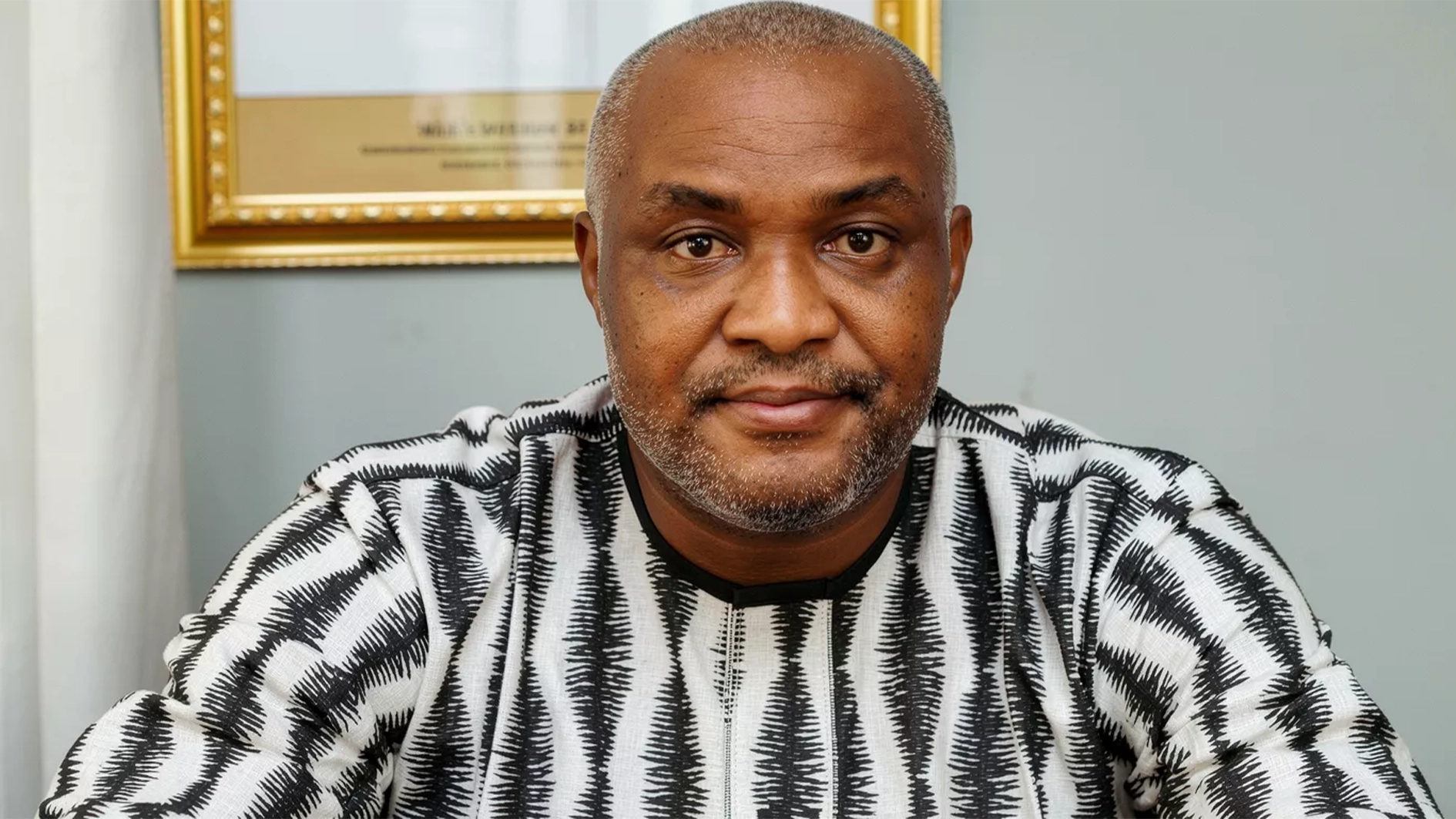
Civil rights activist and Executive Director of the Civil Society Legislative Advocacy Centre (CISLAC), Auwal Musa Rafsanjani, has criticised what he described as the “institutional collapse” of Nigeria’s security sector, warning that corruption, poor coordination and conflicting government claims on anti-terror operations were deepening public distrust.
This came as the Human Rights Writers Association of Nigeria (HURIWA) called on President Bola Tinubu to sack the country’s top security officials over what it described as the worsening collapse of security nationwide.
Speaking during a television programme on recent anti-terror operations in the Lake Chad region, Rafsanjani said the controversy surrounding the reported killing of an ISIS deputy leader exposed confusion within government circles.
“Having said that, this also leaves Nigerians with a lot of confusion and uncertainty on the part of our government, because our government in 2024 also claimed to have killed the same person,” he said.
Rafsanjani acknowledged the efforts of security personnel but argued that structural weaknesses within the system continued to undermine progress.
“In my opinion, part of the challenge is because of the institutional collapse and personalisation and individualisation of the security sector in Nigeria, coupled with the massive corruption in the sector,” he stated.

He called for comprehensive reforms of the security sector, insisting that Nigeria could not continue to rely heavily on foreign assistance to address insecurity.
“The Americans cannot solve all their problems. You must do your own bit,” he said.
The activist also criticised the government’s security priorities, alleging that more attention was being devoted to political interests ahead of the 2027 elections instead of citizens’ welfare and safety.
“There’s no way you can continue with a kind of lavish lifestyle in the name of governance and real governance is absent,” he said.
Rafsanjani further faulted the creation of additional political offices within the security architecture, insisting that appointments alone would not resolve insecurity.
“Political appointment is not the solution to the insecurity that we have,” he added.
He urged the Federal Government to implement sweeping reforms, improve accountability and restore public confidence in security institutions.
Meanwhile, HURIWA demanded the removal of the Chief of Defence Staff, the National Security Adviser, the Director-General of the Department of State Services, military intelligence chiefs and other service commanders, accusing them of failing to protect Nigerians from terrorism, kidnappings and violent attacks.
In a statement issued yesterday by its National Coordinator, Emmanuel Onwubiko, HURIWA said recent incidents, including the abduction of schoolchildren and teachers in Oyo State, showed that insecurity had spread dangerously into parts of the South-West.
The organisation criticised the Defence Headquarters for dismissing concerns over terrorist activities in the region, insisting that the growing wave of kidnappings and attacks on communities could no longer be ignored.
“The claim that terrorists have no operational base in the South-West is not only shocking but dangerously deceptive.
“Nigerians do not need terrorists to erect signboards before recognising that armed criminal networks have already infiltrated forests, highways and rural communities across the region,” the group stated.
HURIWA said the continued attacks on schools, farming communities and highways reflected what it described as a frightening breakdown of intelligence gathering and operational response by security agencies.
According to the group, the country now resembles “a nation under siege”, with terrorists and bandits operating freely while citizens live in fear.
The organisation noted that several communities across the North-East, North-West, Middle Belt and parts of the South-West had suffered repeated attacks, forcing residents to flee their homes and abandon economic activities.
HURIWA also accused the Federal Government of retaining security officials whose performances had failed to inspire public confidence.
It warned against what it described as the growing influence of ethnic and political considerations in strategic security appointments, arguing that competence and accountability should take priority in the fight against terrorism.

