 Follow Us on Google News


 Follow Us on Google Discover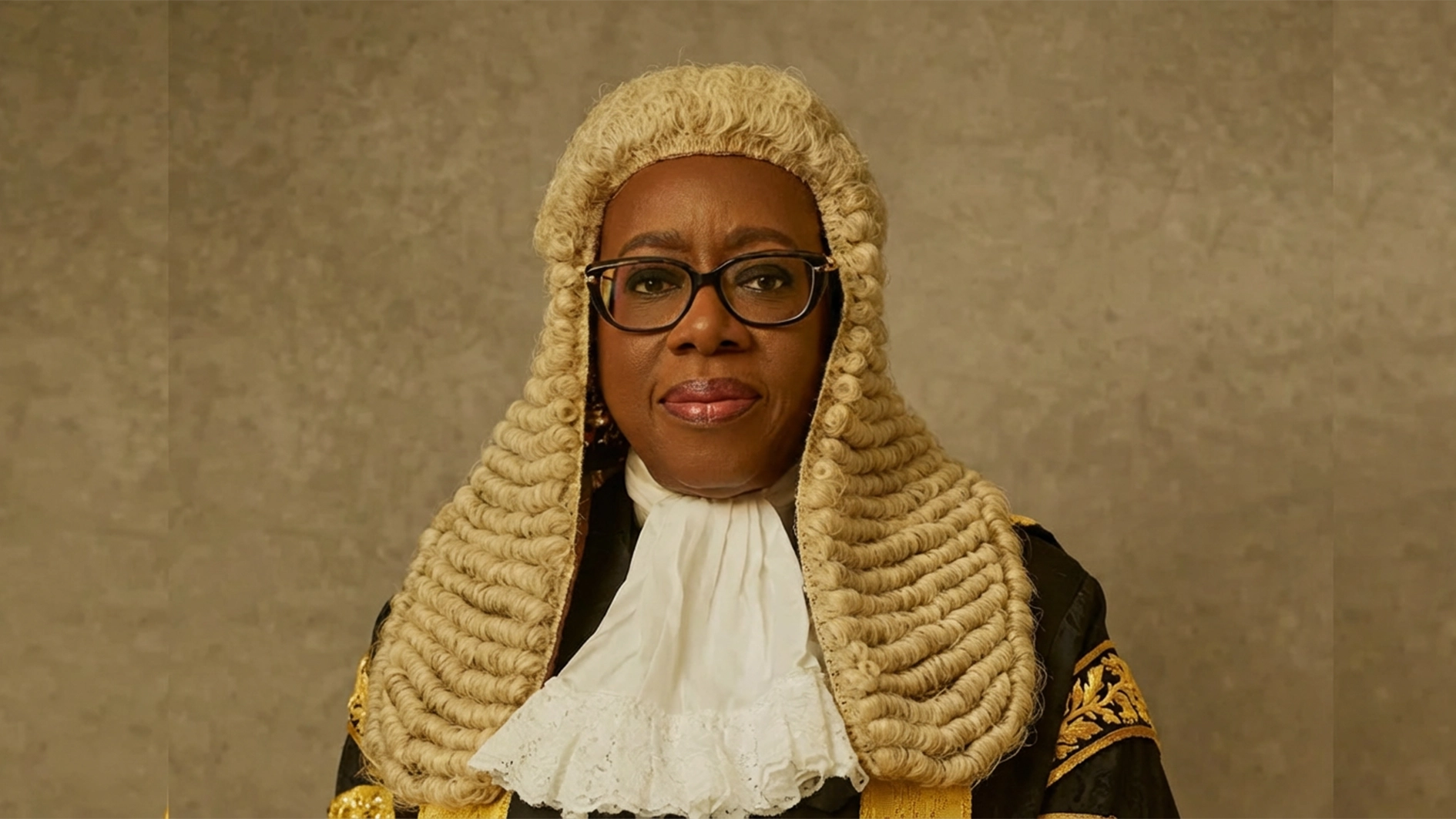
Chief Justice of Nigeria (CJN), Kudirat Kekere-Ekun, has cautioned court registrars and judicial administrators against selective treatment of lawyers and litigants, warning that such practices undermine public confidence in the judiciary.
The CJN stressed that Nigeria’s courts cannot command trust unless ethical standards extend beyond the Bench to the administrative machinery that drives judicial processes. She warned that lapses at the registry level can erode confidence in even the soundest judicial decisions.
Delivering a keynote address through Justice Ibrahim Mohammed Musa Saulawa, a justice of the Supreme Court at the opening of the National Workshop on Ethics for Judicial Administrators in Abuja, the CJN described judicial administration as the operational foundation upon which the legitimacy of the court rests.
The workshop, organised by the National Judicial Institute (NJI), drew senior court administrators from across the federation and was described as a timely intervention to reinforce institutional integrity within the justice system.
According to her, justice delivery is a collective institutional process. While judges interpret and apply the law, she noted, judicial administrators ensure that cases are scheduled, records are properly managed, and court users are efficiently served.
She cautioned that administrative failures often lead to misplaced public criticism of judges.

Emphasising the centrality of the registry, the CJN described it as the public face of the judiciary, where most citizens form their impressions of the justice system.
On the evolving nature of court operations, the CJN highlighted the growing use of digital systems, including e-filing and virtual proceedings.
Earlier, the Administrator of the NJI, Justice Babatunde Adejumo, described participants as the institutional backbone of the courts, noting that their roles extend beyond routine duties to safeguarding the credibility and continuity of the justice system.
He added that ethical challenges in judicial administration now intersect with broader governance issues, including accountability, personnel management, and financial oversight.

