 Follow Us on Google News


 Follow Us on Google Discover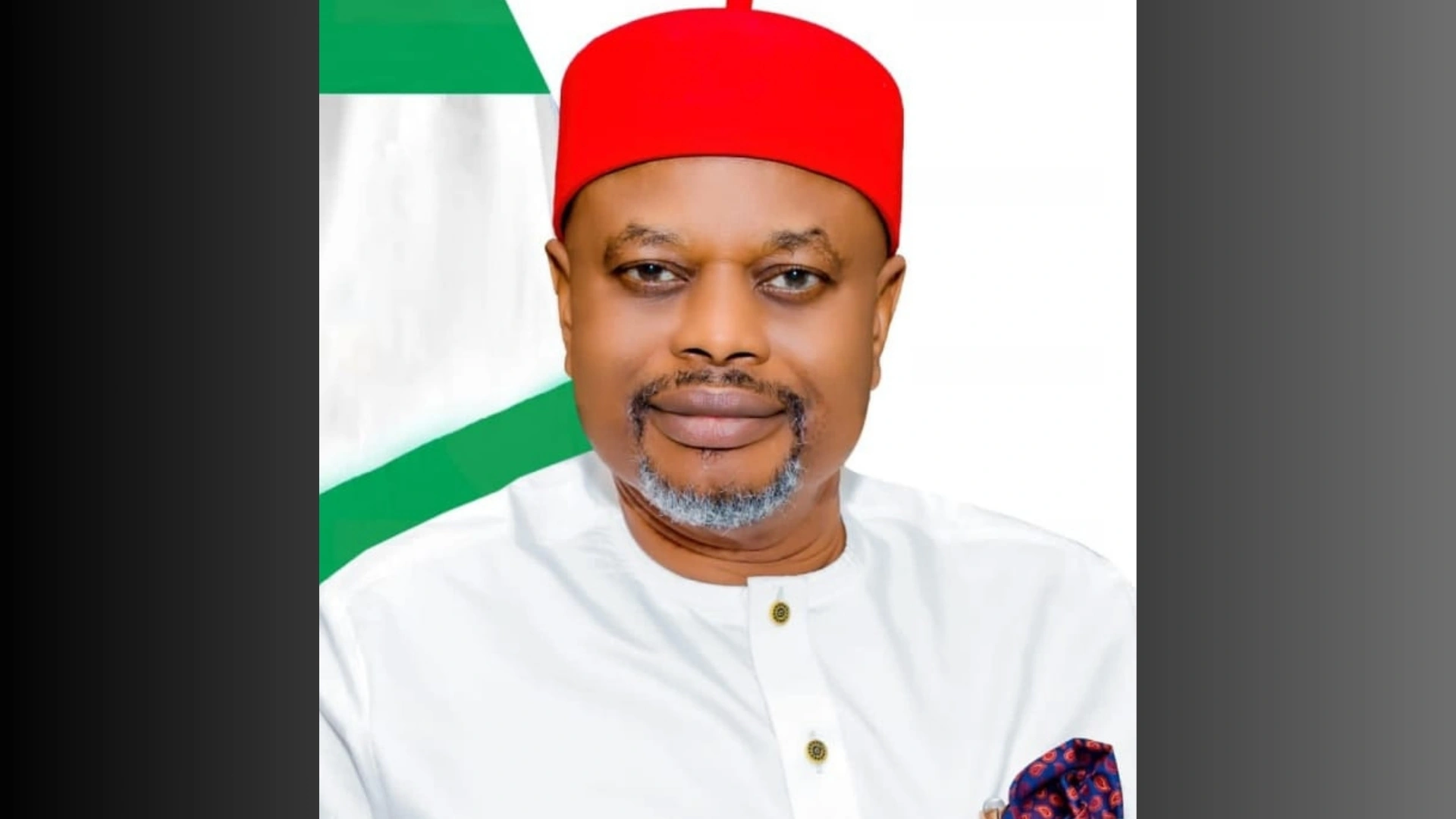
Questions have emerged over media reports concerning an alleged Federal Government panel investigation into the academic records of former minister Uche Geoffrey Nnaji, following publications suggesting the panel had confirmed claims of certificate forgery.
The reports, including one by Premium Times titled “FG Panel Nails Uche Nnaji, Confirms Ex-Minister Forged UNN Certificate,” attributed definitive findings to a panel whose report has yet to be officially released by the Federal Ministry of Education.
However, a separate clarification issued by Dr Robert Ngwu, who served as Special Adviser to the former minister, disputes that interpretation of the panel’s work. According to Ngwu, the committee was constituted not to determine whether Nnaji forged a certificate but to examine allegations he had raised against the leadership of the University of Nigeria, Nsukka (UNN).
Ngwu said the panel followed a petition submitted by Nnaji to the Minister of Education seeking an investigation into alleged misconduct within the university’s administration.
According to the petition, certain officials within the institution were accused of actions such as intimidation of university staff, unlawful access to confidential student records, tampering with academic documentation and the disclosure of personal academic data without authorisation.
The petition claimed such actions, if proven, could breach provisions of the Nigeria Data Protection Act as well as established public service and university governance rules.

The clarification report further alleged that some staff members within the university’s records department told investigators they had been pressured to access and circulate confidential academic records belonging to Nnaji. The university has not publicly responded to those specific claims.
Another issue raised in the petition concerns a document reportedly used to justify certain administrative actions by the university.
According to Ngwu’s report, the Public Complaints Commission stated that a letter purportedly issued from its office in connection with the matter was fraudulent. The commission reportedly indicated that no complaint had been filed against Nnaji, that the individual named as the letter’s signatory did not exist within its structure, and that the document lacked a valid reference number and did not conform to official correspondence formats.
The report said those findings raised concerns about possible impersonation or forgery, although the claims have not been tested in court.
Nnaji’s petition also argues that the alleged access to and dissemination of his academic records may constitute a violation of data protection laws. Under the Nigeria Data Protection Act, public institutions are required to safeguard personal data and may face liability for unlawful disclosure.
In the petition to the Minister of Education, Nnaji reportedly asked for a formal investigation into allegations of harassment, forgery and the unlawful release of academic records. He also requested that the university’s vice-chancellor step aside pending the outcome of the inquiry and that staff in the records department receive whistleblower protection.
The dispute over the former minister’s academic records is now before the Federal High Court.
Court documents indicate that Nnaji is seeking orders restraining officials of the University of Nigeria, Nsukka, from interfering with his academic records and compelling the institution to release his complete academic transcript.
At the most recent hearing on 26 February 2026, presided over by Justice H. J. Yilwa, proceedings could not continue after the court was informed that proof of service was missing from the case file and that certain filings by the respondents had not been properly regularised.
Counsel for the university requested an adjournment to correct the procedural issues, marking the second such request. Lawyers representing Nnaji, from the chambers of Wole Olanipekun and Sebastine Hon, did not oppose the adjournment but urged that all outstanding processes be filed before the next hearing date.
At the centre of the dispute is Nnaji’s request for the official release of his academic transcript from the university.
According to the clarification report, the request was first submitted in May 2025, but the documents have yet to be released. Individuals cited in the report claimed the transcript shows that the academic requirements for graduation were completed, though that assertion has not been independently verified.
Ngwu’s clarification also questioned media narratives suggesting that a federal investigative panel had already reached a definitive conclusion that Nnaji forged a certificate.
He argued that such claims may be premature, noting that the panel’s report has not been formally published by the Ministry of Education and that related issues are currently the subject of litigation.
The controversy has drawn wider attention to questions of governance, transparency and data protection within Nigerian universities, including the University of Nigeria, Nsukka, which was founded in 1960 by nationalist leader Nnamdi Azikiwe.
Observers say the matter is likely to be clarified only after the Ministry of Education releases the panel’s findings and the court concludes proceedings. Until then, both the allegations and the counter-claims remain unresolved.

