 Follow Us on Google News


 Follow Us on Google Discover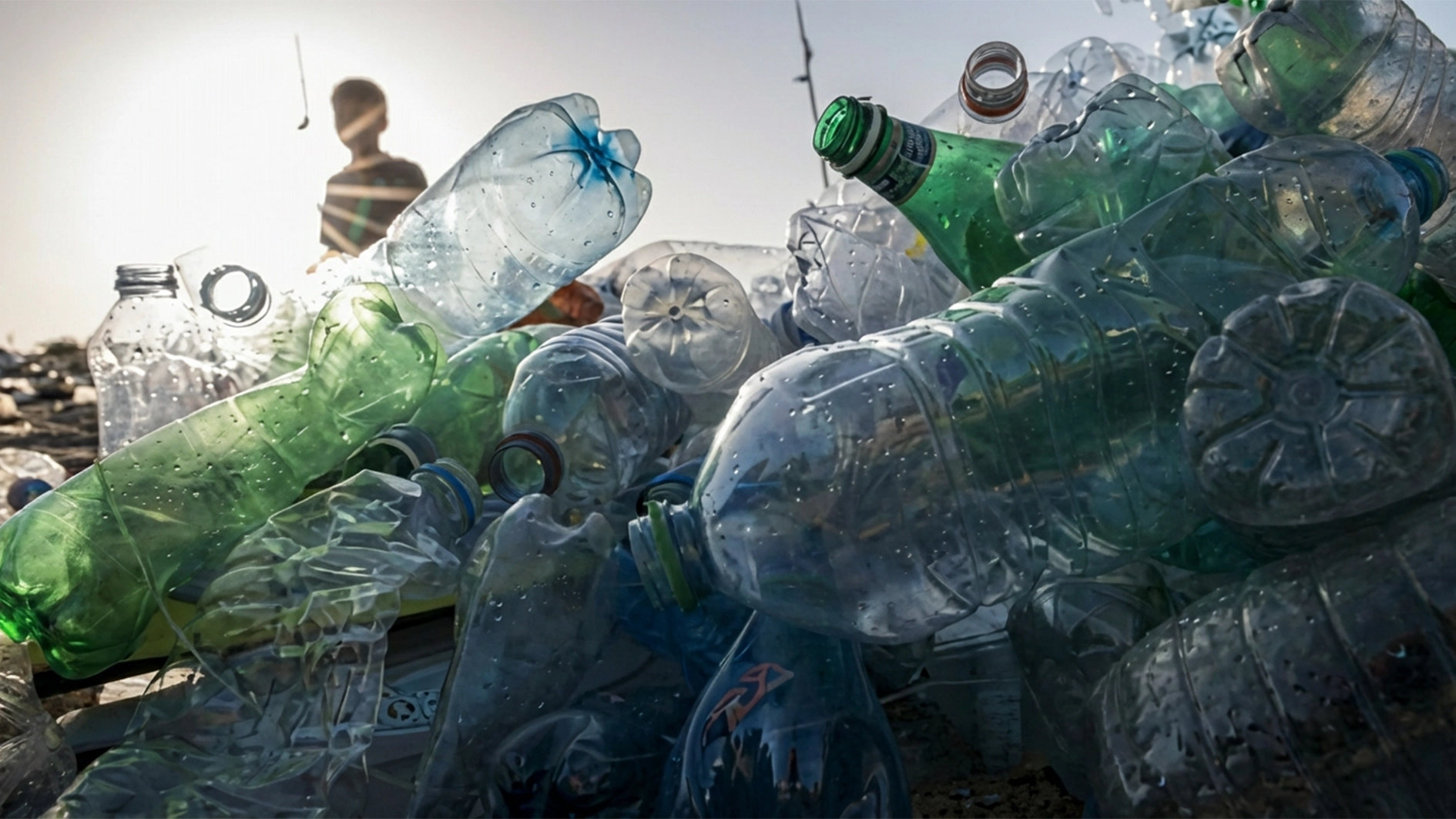
COMMUNITY Development Advocacy Foundation (CODAF) and its partners have publicly unveiled its Brand Audit Report, a study aimed at assessing the impact of plastic waste on the environment in Lagos, Delta, Plateau and Osun states.
The report underscores the urgent need for producers to take greater responsibility through improved packaging design, reduction of single-use plastics, and investment in recycling systems.
Based in Delta State, CODAF is a non-governmental organisation (NGO) founded in 2013 to empower rural communities to protect their natural resources and rights.
According to a statement signed by the Assistant Director of Campaigns, Onyeka Titigbe, the report provided the CODAF team the opportunity to identify the major types of plastic materials found in communities and the brands most represented in environmental waste streams, generating critical evidence to support advocacy, policy reform and improved waste management practices.
It noted: “Plastic pollution continues to pose serious environmental, social and economic challenges. Improperly disposed plastics clog drainage systems, contributing to flooding in cities, while also contaminating soil and waterways.”
“In marine and freshwater ecosystems, plastic debris threatens biodiversity, harms wildlife through ingestion and entanglement, and breaks down into microplastics that enter the food chain.”
The report revealed that open burning of plastic waste releases toxic emissions that affect air quality and public health, increasing risks of respiratory illnesses.
“Additionally, plastic production and disposal contribute to greenhouse gas emissions, worsening climate change impacts. For many communities, the accumulation of plastic waste also undermines livelihoods, sanitation and overall quality of life.”
Clean Air Programme Manager, Weyinmi Okotie, while presenting the Brand Audit Report to the media in Lagos, said the exercise was conducted from 2019 to 2014 across several locations, namely Benin, Uyo, Port Harcourt, Warri, Ughelli, Jos, Osogbo and Lagos, highlighting the widespread nature of plastic pollution across urban and semi-urban communities.
The findings identified two major soft drink companies as top brands associated with plastic pollution in the environment, after collecting 298,174 plastic items from eight cities across Nigeria.
The report aligns with ongoing global efforts towards a legally binding international agreement to end plastic pollution, often referred to as the Global Plastics Treaty under the auspices of the United Nations Environment Programme (UNDP). The treaty process seeks to address the full lifecycle of plastics — from production and design to consumption, waste management and pollution prevention.
Some of the key findings in the report include the presence of these plastic pollutants has contributed to poor environmental practices such as open waste burning, which in turn has deleterious effects on the environment, including air pollution, greenhouse gas (GHG) emissions, and risks to public health.
“There are little or no coordinated efforts in place to effectively recover plastic materials from the environment, leading to widespread pollution across communities, waterways and ecosystems,” it added.

