 Follow Us on Google News
 Follow Us on Google Discover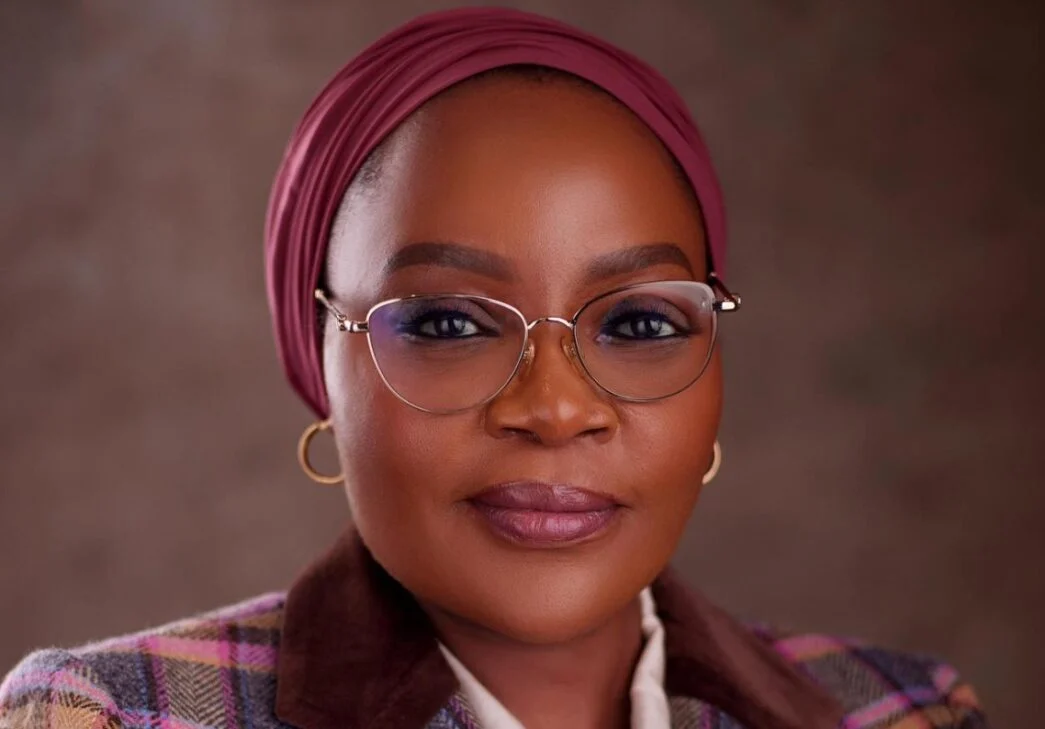
Executive Secretary of the Universal Basic Education Commission (UBEC), Dr Aisha Garba, has disclosed that when communities take ownership of educational institutions in their localities, and take responsibility for their sustenance, challenges such as insecurity, out-of-school children, and other problems bedeviling basic education will be addressed.
Garba, who stated this in Lagos at the opening ceremony of a three-day training and retraining of state and non-state actors on the revised School-Based Management Committee (SBMC) operational documents, noted that active participation of communities in the way schools are run will also help promote basic education and improve governance at the grassroots level.
The training was organised in conjunction with the United Nations Children’s Fund (UNICEF).
Represented by the Deputy Executive Secretary (Technical), Rasaq Akinyemi, the UBEC chief stated that SBMCs were established by design to serve as the vital bridge between schools and their communities.
She said SBMCs foster accountability, transparency, and inclusivity in school governance.
Garba added that the committees decentralise decision-making, giving schools the autonomy to address their unique challenges by leveraging indigenous resources and specific community strengths.
“However, to remain effective, our frameworks must evolve. Today, we are here to operationalise the next phase of this evolution. UBEC, in close collaboration with UNICEF, has recently revised three operational documents: The SBMC Operational Manual; Guidelines for Monitoring and Mentoring of SBMCs in Nigeria, and SBMC-School Improvement Plan Implementation Manual.”

Garba noted that the revisions were meticulously crafted to align with emerging educational priorities, address current grassroots challenges, and reflect global best practices.
She disclosed that the workshop is to ensure that participants, as critical intermediaries between the commission and schools have an in-depth understanding of these updated frameworks.
She described SBMCs as critical drivers tasked with mobilising resources, building strategic partnerships, and aggressively advocating for the enrolment of out-of-school children, among other responsibilities.
She hinged the future of education in Nigeria on the ability of all stakeholders to be actively involved in the decision-making processes that affect schools.
“By strengthening the SBMCs, we are laying the groundwork for a more inclusive, equitable, and quality education system,” she stated.
In her remarks, UNICEF Education Specialist, Nneka Ogbansiegbe, said participation of communities in education is key for success to be achieved. She noted that apart from helping to solve some challenges in the education sector, communities also help to promote basic education.
She added that communities have a great role to play in ensuring that budgetary allocations to the sector are judiciously used.
She said the training was intended to keep SBMC members and other stakeholders up to date on the roles expected of them.
She expressed the agency’s readiness to continue partnering with UBEC in the bid to provide accessible and quality education for the Nigerian child.
On his part, National Chairman of SBMC, Alhaji Umar Abdullahi, assured that SBMCs would not be found wanting in the discharge of their duties.
“We are also ready to take charge of our schools and see them as our own.
Anyway, they are our own; our children attend those schools, and we cannot afford to treat what is ours with levity. I have gone round the country, and I can see the peculiar problems of each zone. In the North, we can mention the issue of out-of-school children, and in the Southeast, more girls go to school than boys,” he said.
One of the resource persons at the training, Dr Hafsat Yakasai of Bayero University, Kano (BUK), emphasised the need for workers in the Social Mobilisation Department of UBEC to work together with the SBMCs to ensure effective implementation of basic education policies at the community level.
The Lagos training is coming on the heels of a similar one held in Kano which had participants from the 19 northern states.
The three-day session in Lagos is expected to equip state and non-state actors with updated knowledge on how to monitor, mentor and support SBMCs to drive school improvement and community ownership.

