 Follow Us on Google News
 Follow Us on Google Discover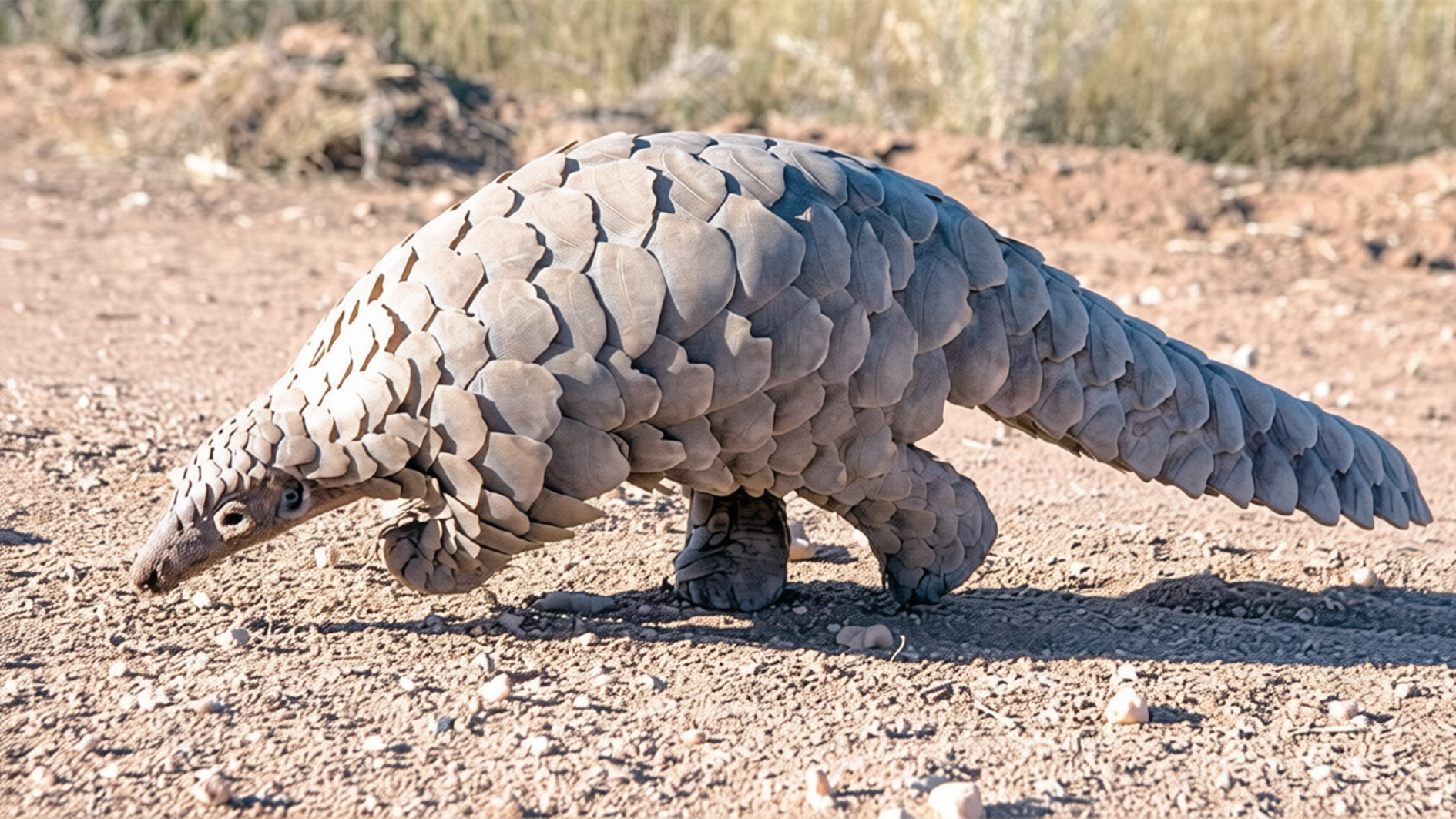
The Federal Government has been urged to strengthen legal protections for pangolins and other endangered species in Nigeria, amid growing concerns over rampant wildlife trafficking.
In a statement issued on Saturday to mark World Pangolin Day 2026, conservation organisation Wild Africa called for urgent action on Nigeria’s proposed wildlife protection legislation.
“Wild Africa has called on the Nigerian government to protect pangolins, the world’s most trafficked mammals from extinction and expedite efforts to update national legislation safeguarding them,” the statement read.
It noted that despite protection under national and international frameworks, including the 2016 global ban on international commercial trade, pangolins continue to face extinction.
This is largely driven by high demand for their scales, used mainly in Asia for traditional medicine, and for their meat, which is considered a delicacy.
According to the statement, Nigeria has emerged as a major global exporter and source country for pangolin scales destined for Asian markets, accounting for about 55 per cent of global pangolin scale seizures recorded between 2016 and 2019.

“Nigeria is a custodian of precious biodiversity, but our pangolins are being trafficked into extinction. This World Pangolin Day, let’s make history for the right reasons,” said Dr Mark Ofua, Wild Africa’s West Africa spokesperson.
He added that the swift passage of the Endangered Species Conservation and Protection Bill would be a “game-changer” in cementing Nigeria’s commitment to conservation and securing the future of pangolins.
Data cited in the statement showed that more than half a million pangolins, an estimated 530,978 animals were involved in 2,222 illegal pangolin trade seizures between 2016 and 2024, with scales accounting for 99 per cent of all confiscated parts.
A new global report, Conservation Status, Trade and Enforcement Efforts for Pangolins, released at the end of 2025, provides the most comprehensive and up-to-date assessment of pangolin conservation, trade, and enforcement worldwide.
The report was prepared by experts from the IUCN Species Survival Commission Pangolin Specialist Group for the CITES Secretariat, using data submitted by 32 CITES Parties, including 15 pangolin-range states.
It found that demand for pangolin scales and meat continues to drive exploitation across Africa despite international trade bans, and stressed the need for stronger protection, improved population monitoring, and deeper engagement with local communities.
Nigeria, the report noted, has taken steps to combat illegal pangolin trade through legislation and enforcement. In early 2024, the country introduced the Endangered Species Conservation and Protection Bill, which proposes tougher penalties for trafficking in illegal wildlife products such as pangolin scales. The bill is currently awaiting final presidential assent.
West African governments, alongside the IUCN Species Survival Commission, have also unveiled the first-ever West Africa Regional Pangolin Conservation Action Plan (2026–2056), aimed at coordinating protection, monitoring, and community engagement across the region.
Enforcement efforts have equally intensified. In December 2024, the Nigeria Customs Service arrested a suspected pangolin scale broker and seized 2.179 tonnes of pangolin scales equivalent to about 1,100 pangolins.
Since July 2021, the NCS and its partners have conducted 16 operations, leading to 35 arrests, 12 convictions, and the seizure of 21,582 tonnes of pangolin scales.
Peter Knights OBE, Chief Executive Officer of Wild Africa, warned that pangolins remain highly vulnerable due to their slow reproduction rate and lack of natural predators.
“With few natural predators and slow reproduction rates, pangolins cannot sustain human exploitation,” he said. “Recent changes to reduce the use of scales in China should help, but more public awareness and stronger enforcement in Africa are essential if they are to survive.”
Pangolins remain among the world’s most understudied and underprotected mammals. World Pangolin Day, conservationists say, underscores the urgent need for governments, conservation organisations and communities to intensify efforts to save the species from extinction.

