 Follow Us on Google News
 Follow Us on Google Discover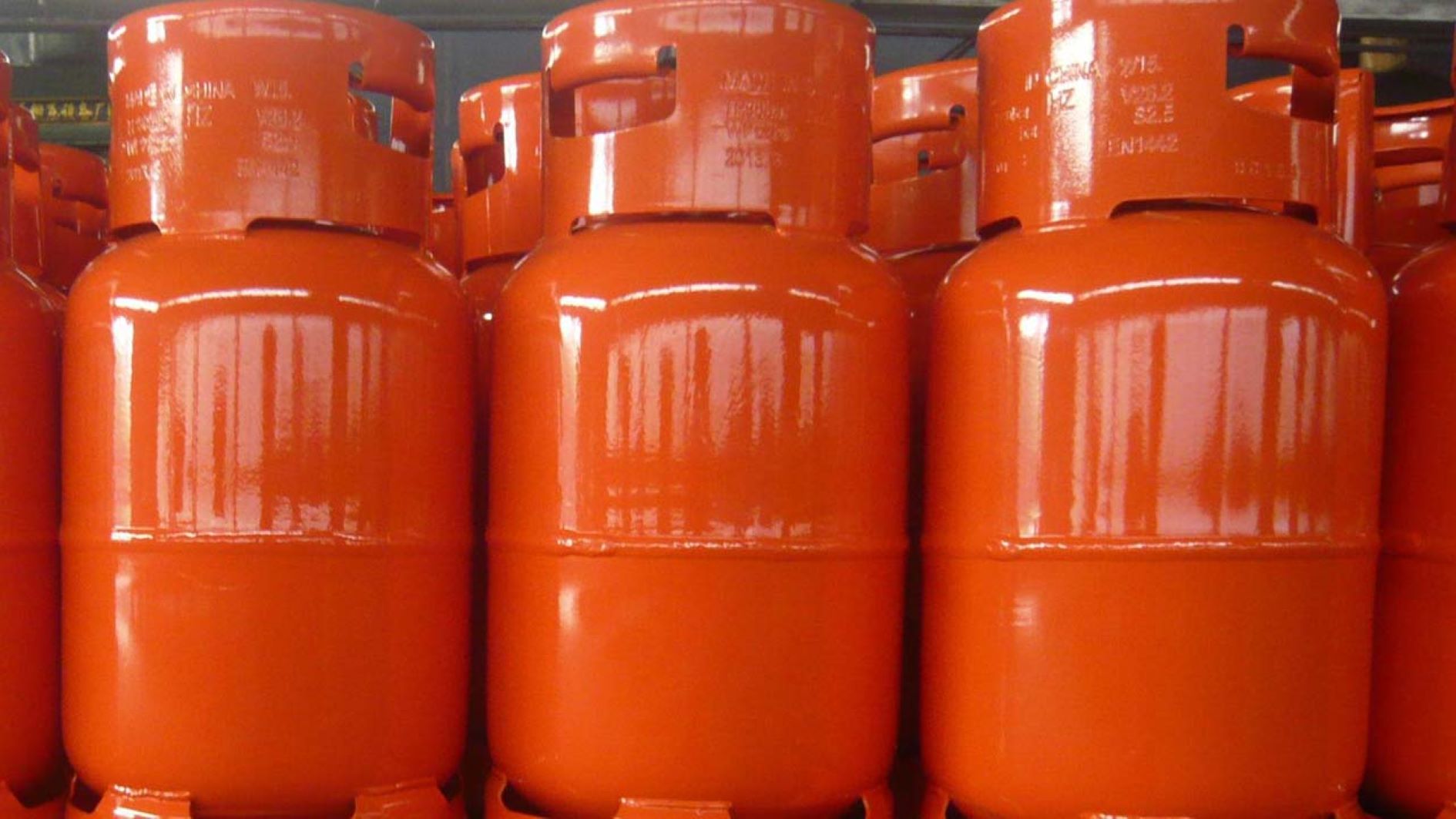
Nigeria flares $900m worth of gas, exports 60% despite domestic shortages
Nigeria’s imports of Liquefied Petroleum Gas (LPG), also known as cooking gas, jumped by 1,400 per cent in June 2026 as domestic supply weakened, raising fresh concerns over the country’s growing dependence on imported fuel despite its vast natural gas reserves.
Data from the Nigerian Midstream and Downstream Petroleum Regulatory Authority (NMDPRA) for June 2026 showed that LPG imports rose from just 0.1 kilotonnes per day (KT/D) in May to 1.5KT/D in June, representing a 1,400 per cent increase.
The surge in imports came as domestic LPG supply fell by 10 per cent, dropping from 4.0 KT/D in May to 3.6 KT/D in June.
However, overall LPG receipts increased by 24 per cent to 5.1 KT/D from 4.1 KT/D recorded in the previous month, with imported volumes accounting for virtually all of the growth.
A breakdown of the supply sources showed that imports contributed 1.539 KT/D, making up nearly 30 per cent of the country’s total daily LPG supply of 5.164 KT/D in June.
The largest share of domestic supply came from the NLNG and SEPNU deliveries through vessels at 2.335 KT/D, followed by other gas processing plants supplying 0.805 KT/D via trucks, while local refineries contributed only 0.485 KT/D.
The figures indicate that the improvement in total LPG availability was largely driven by imports rather than increased local production.
The latest development comes despite repeated government commitments to deepen domestic gas utilisation under the “Decade of Gas” initiative and reduce reliance on imported petroleum products.
The monthly trend also showed increasing dependence on imports in recent months. Import volumes stood at 1.6 KT/D in November 2025, then eased to 1.5 KT/D in December, 1.2 KT/D in January 2026, 0.7 KT/D in February, and 0.2 KT/D in March. Imports disappeared in April, fell to 0.1 KT/D in May before rebounding sharply in June.
Meanwhile, the NMDPRA report showed that domestic gas supply rose slightly by three per cent to 5.116 billion standard cubic feet per day (Bscf/d) from 4.984 Bscf/d in May.
MEANWHILE, Nigeria has flared natural gas worth an estimated $888.2 million between January 2025 and June 2026 as oil companies worsen the climate crisis and endanger lives in the Niger Delta.
This comes as the nation channelled nearly all of its marketed gas to export markets, raising fresh concerns over the pace of domestic gas development amid persistent shortages facing power plants, manufacturers and other industrial consumers.
Combined figures for the 18-month period show that Nigeria produced 4.132 trillion standard cubic feet of gas, utilised more than 3.823 TSCF, and record an average flaring rate of 7.3 per cent, according to data published by the Nigerian Upstream Petroleum Regulatory Commission (NUPRC).
An analysis of gas production and utilisation data shows that Nigeria flared 301.60 billion standard cubic feet (BSCF) of gas during the 18-month period.
At a gas price of $2.84 per million British thermal units (MMBtu), the flared volume translates to about 312.76 million MMBtu, with an estimated market value of $888.24 million.
The data also indicates that while Nigeria maintained relatively stable gas production and marginally reduced flaring, it continued to prioritise exports over domestic utilisation. Between January 2025 and June 2026, the country exported 1.506 trillion standard cubic feet (TSCF) of gas compared with 1.162 TSCF supplied to the domestic market. This means nearly 56.5 per cent of all marketed gas was exported, while 43.5 per cent was retained for local consumption.
The trend comes despite repeated government commitments under the Decade of Gas initiative to expand domestic gas supply for electricity generation, industrialisation, fertiliser production and compressed natural gas (CNG) development.
In 2025, Nigeria produced 2.706 TSCF of gas, comprising 1.456 TSCF of Associated Gas and 1.250 TSCF of Non-Associated Gas. The industry achieved a gas utilisation rate of 92.4 per cent, with 2.500 TSCF utilised, while 203.97 BSCF, representing 7.54 per cent of total production, was flared.
Production fluctuated throughout the year as output began at 236.32 BSCF in January, fell to 199.68 BSCF in February, recovered to 231.28 BSCF in March and 232.98 BSCF in April, before rising to 244.44 BSCF in May and 238.96 BSCF in June.
Production reached its yearly peak of 250.88 BSCF in July, declined to 227.02 BSCF in August, dropped to its lowest level of 198.32 BSCF in September, and recovered modestly to 221.05 BSCF in October, 212.52 BSCF in November and 212.56 BSCF in December.

