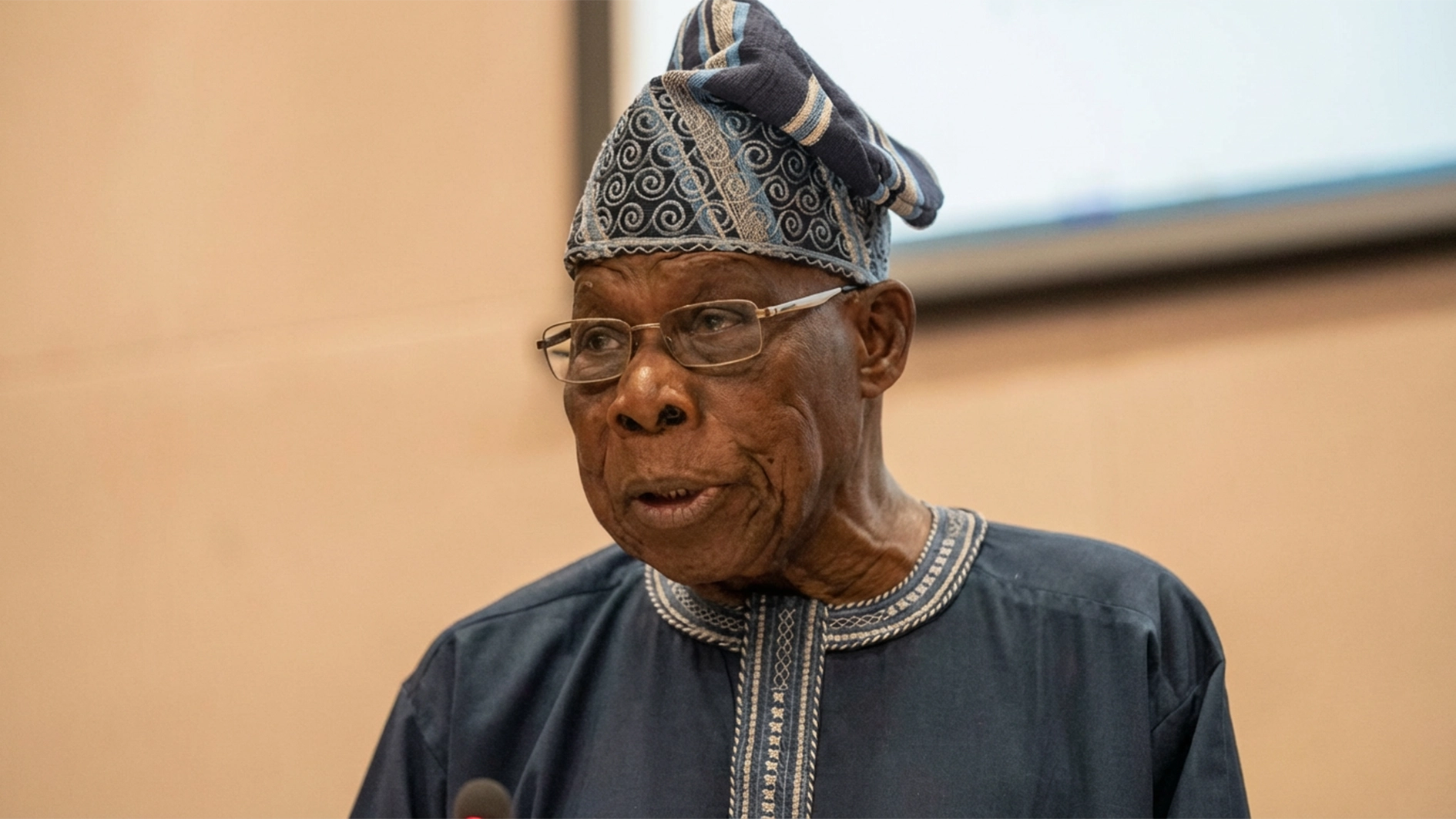
The Code of Conduct Bureau (CCB) has said its ongoing anti-corruption efforts are focused on asset declaration reviews and related investigations involving former ministers, serving senior government officials and other high-ranking public office holders at both federal and state levels.
The Chairman of the bureau, Dr Abubakar Bello, disclosed this in an interview with the News Agency of Nigeria on Sunday in Abuja, where he explained that several cases were at different stages of investigation and prosecution.
“We have started investigating high-profile individuals. There is a former minister we have already taken to court,” Bello said.
“Right now, we are investigating another former minister and also a serving top government official. I won’t mention names because we are still at the investigation stage. We don’t want to turn it into a media trial.”
He said the bureau had also obtained interim forfeiture orders from the courts and recorded recoveries arising from investigations involving some local government chairmen and senior officials at the state level.
Bello rejected claims that Nigeria’s anti-corruption drive focuses on junior officials while shielding politically exposed persons, insisting that the bureau’s investigations cut across all categories of public office holders.
According to him, the CCB’s operations are guided by law and due process, rather than public pressure or political influence, adding that premature disclosure of investigations could undermine justice.
“From my experience working with the EFCC, sometimes people write frivolous petitions,” he said.
“Once the media starts reporting it, the person is already labelled corrupt. But if investigations later show he is innocent, his name is already damaged. That is why we only speak when we are ready to go to court.”
The CCB chairman said asset declaration remains the bureau’s primary instrument for detecting corruption, noting that public officers are required to declare their assets at the beginning and end of their tenure.
“If you declare your assets at the beginning of your tenure and we verify it, we don’t have any issue with you again until the end of your tenure,” he said.
“But if at the end of your tenure you suddenly move from ₦10 million to ₦200 million and you cannot explain the source of that increase, that is where we come in.”
He added that investigations are also triggered by petitions and allegations from members of the public and other public servants.
“If there is a petition against you, we investigate. If we find that you did not declare your assets or cannot explain the source of your income, we will take you to court,” Bello said.
Addressing concerns over Nigeria’s low ranking on global anti-corruption indices, the CCB chairman pointed to structural challenges, including limited manpower, inadequate funding and reliance on largely manual systems.
“We are talking about about 4.5 million public servants in Nigeria. We cannot investigate or verify all of them with the resources,” he said.
He explained that the bureau had adopted a risk-based approach, concentrating on high-risk and high-profile cases where the impact would be greatest.
“That is why it may look like we are selective, but it is not about protecting anyone. It is about using scarce resources wisely to get the highest results,” he said.
Bello added that plans to migrate asset declaration processes to an online platform would improve efficiency, verification and prosecution of corruption-related cases.