 Follow Us on Google News
 Follow Us on Google Discover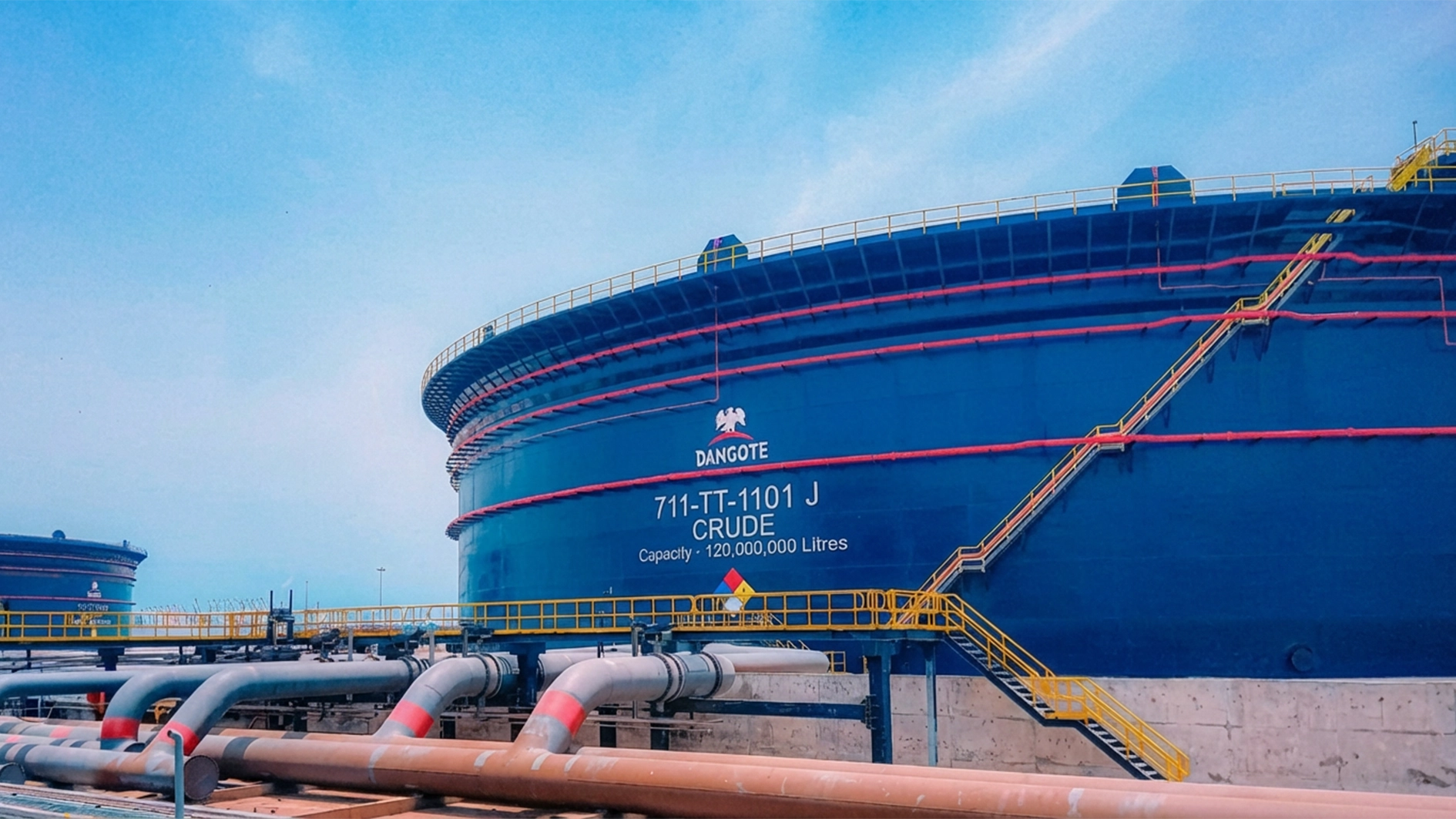
Report: Africa faces 86m tonne fuel shortfall by 2040
The Airlines Operators of Nigeria (AON) has described the Dangote Petroleum Refinery and Petrochemicals as a critical pillar of support for Nigeria’s aviation industry, disclosing that the refinery supplies over 95 per cent of the Jet A1 fuel consumed nationwide, while also exporting 1.1 billion litres of aviation fuel to Europe between March and April 20.
The Iran war has exposed Africa’s vulnerability to fuel chokepoints and is heading for an 86-million-tonne fuel shortfall by 2040, the Africa Finance Corporation (AFC) reported yesterday.
Speaking during a televised interview, AON spokesperson Obiora Okonkwo said the refinery’s output played a vital role in sustaining domestic airline operations at a time of global supply disruptions arising from tensions in the Middle East and rising fuel costs.
“It is a matter of fact that over 95 per cent of aviation fuel supplied across the country comes from the Dangote refinery. To airline operators in Nigeria, Dangote is not just a refinery; it is a game changer and, indeed, a lifesaver,” Okonkwo said.
He noted that despite the refinery’s consistent supply, airlines continue to face severe operational strain due to escalating Jet A1 prices, which he attributed to sharp practices within the downstream distribution chain.
According to Okonkwo, some fuel marketers are allegedly creating artificial scarcity despite available supply from the refinery, leading to disproportionate price increases.

He disclosed that airline operators have recorded Jet A1 price hikes of up to 300 per cent since the onset of the Middle East crisis.
“We consider this exploitation. The refinery has not indicated any shortage, yet we are witnessing artificial scarcity and unjustifiable price increases. What airlines pay does not reflect depot prices,” he said, suggesting the presence of racketeering within the market.
Africa imports over 70 per cent of its refined fuel and some $230 billion worth of essential goods, including fuel, food, plastics, steel and fertiliser each year, the AFC said in a report released in Nairobi.
Its dependence on fuel imports will continue to rise from 74 million tonnes in 2023 to 86 million tonnes in 2040, said the report by the pan-African finance institution.
That is equivalent to almost three of the giant refineries run in Nigeria by the Dangote group, by far the biggest in Africa.
“Not only is it importing fuel, but on the eastern side of the continent, those imports are vulnerable to chokepoints — we’ve all learned about the Strait of Hormuz this year, and it’s not the only chokepoint,” said the AFC’s chief economist, Rita Babihuga-Nsanze, at the report’s launch.
The Strait of Hormuz, which accounts for a fifth of global fuel transport, has been effectively shut down by the war in the Middle East, leaving import-dependent countries in East Africa facing critical shortages.
The region also faces shortages of fertiliser due to the war, since a high proportion comes from the Gulf.
Babihuga-Nsanze highlighted the example of Zambian dams that were not designed to cope
with new drought conditions, and two gigawatts of Angolan hydropower that was not connected to the regional grid and therefore went to waste.

