 Follow Us on Google News
 Follow Us on Google Discover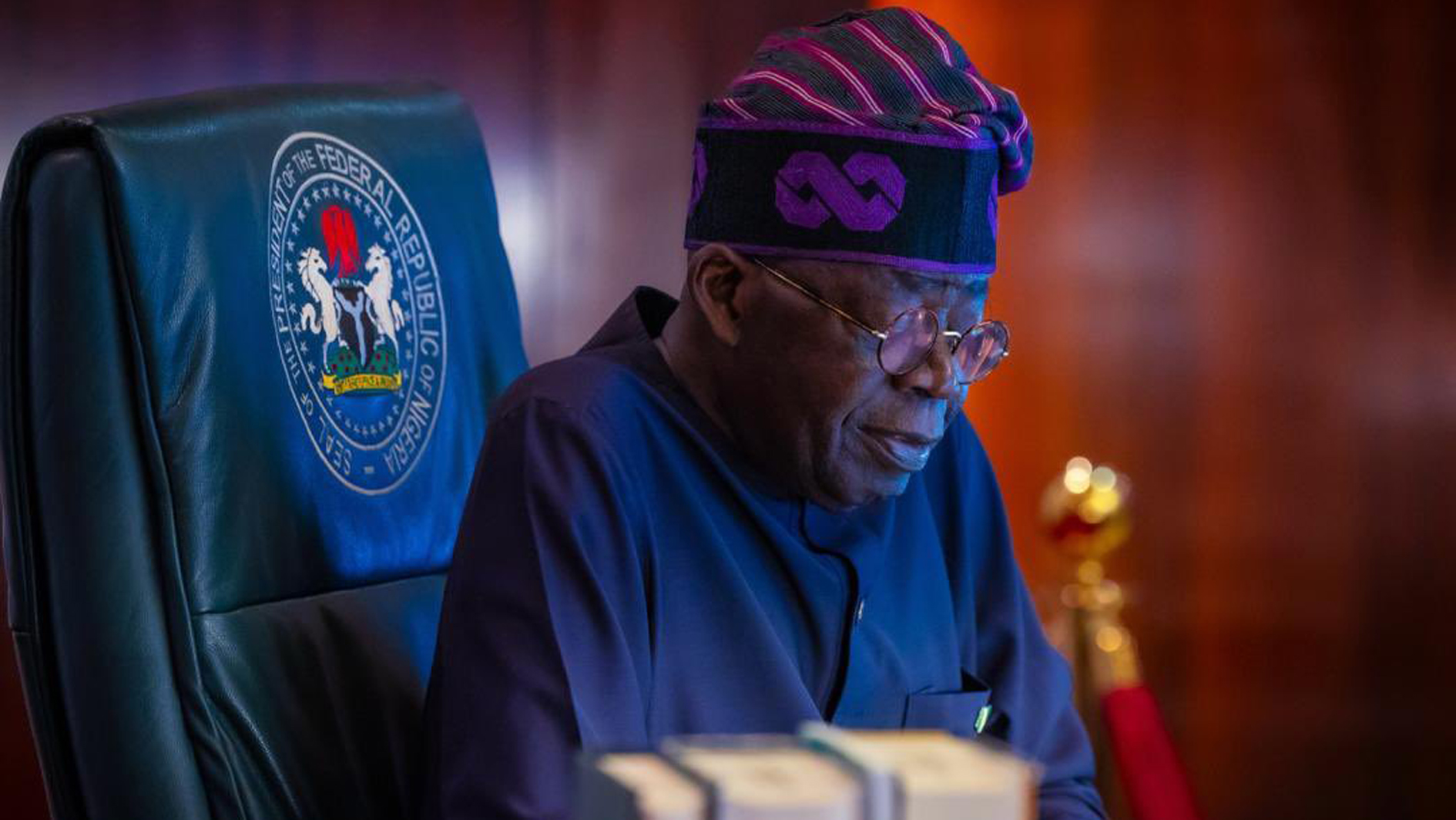
Nigeria’s growing debt profile has once again come under sharp political scrutiny, as lawmakers from the African Democratic Congress (ADC) raise serious concerns over a fresh external borrowing request by President Bola Ahmed Tinubu
At the centre of the controversy is a proposed $516,333,070 loan tied to the Sokoto–Badagry Super Highway project — a flagship infrastructure plan that the administration is pushing for Senate approval. But for the ADC Legislators’ Forum, the issue goes far beyond infrastructure
In a strongly worded position, the forum described the loan request as a troubling signal of what it sees as a deepening dependence on borrowing as an economic strategy.
While acknowledging that infrastructure development remains critical, the lawmakers argued that the pattern and pace of borrowing raise urgent questions about sustainability and long-term national interest.
According to the forum, Nigeria is already grappling with a heavy debt burden, where a significant share of government revenue is tied up in servicing existing obligations. Introducing another large-scale loan, they warned, could further strain the country’s financial stability and limit its economic flexibility in the years ahead.
Their concern is not just about the loan itself, but about what they describe as the absence of clear accountability structures.

The lawmakers pointed to the lack of a detailed repayment framework, cost transparency, and measurable economic returns tied to the proposed project. Without these, they argued, borrowing risks becoming less about development and more about fiscal exposure.
In a statement jointly signed by key forum members including Uko Ndukwe Nkole and other regional representatives, the group warned that unchecked borrowing could gradually erode Nigeria’s economic sovereignty, leaving future generations to deal with decisions made without sufficient foresight.
They also raised eyebrows over the timing of the request, noting that major financial commitments introduced close to an election cycle often demand closer scrutiny.
For them, this is not just about economics — it is about governance and responsibility.
The forum further cautioned the National Assembly against approving the loan without rigorous legislative oversight.
It stressed that the Senate must go beyond routine approval and demand full disclosure on procurement processes, financial structuring, and cost-benefit analysis of the project.
Beyond criticism, the lawmakers offered a broader direction for economic policy.
They urged the administration to shift focus toward strengthening domestic productivity, encouraging industrial growth, and creating sustainable jobs — areas they believe offer more lasting economic value than continued borrowing.
Ultimately, the ADC lawmakers framed the issue as a defining moment for Nigeria’s economic future.
According to them, the country stands at a crossroads: one path leading toward sustainable growth driven by discipline and innovation, and the other toward deepening debt dependency with long-term consequences.
Their message was clear, decisions taken now will not only shape the present economy but will also determine how history judges those in positions of power.

