 Follow Us on Google News
 Follow Us on Google Discover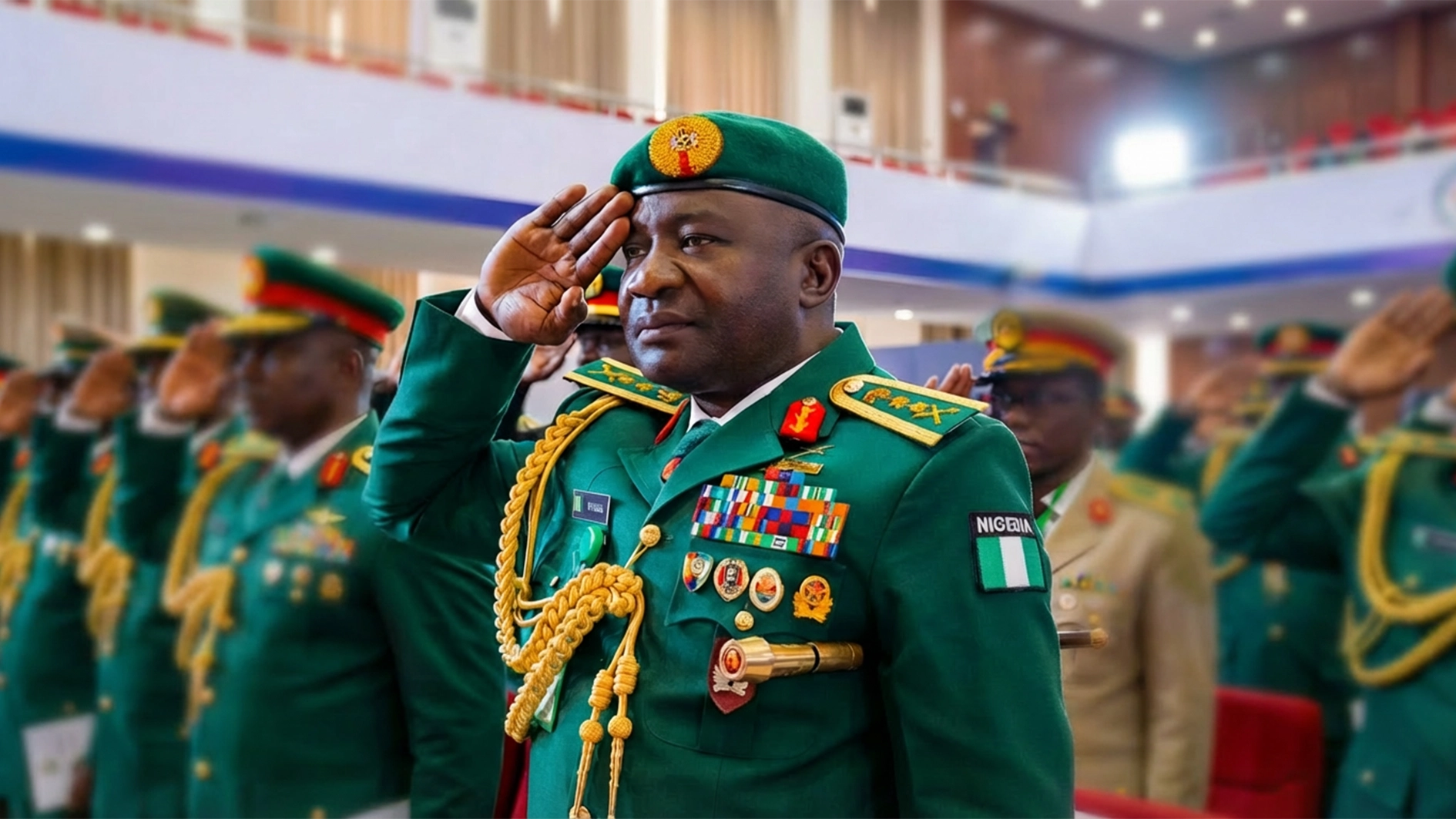
The Minister of Defence, General Christopher Musa, has called for a balanced and cautious approach to the concept of mandatory military service for Nigerian youths, stressing that any future policy must be grounded in constitutional principles, institutional capacity, and socio-economic realities.
He highlighted that the discussion on structured youth service is timely, considering Nigeria’s youthful population and the nation’s ongoing security challenges.
Speaking in Abuja on Friday, at the presentation of the book “Serving the Nation: Exploring Mandatory Military Service for Nigerian Youths”, Musa emphasized the importance of national dialogue on youth development, civic responsibility, and security.
He underlined that harnessing youth energy, creativity, and patriotism is crucial for fostering peace, cohesion, and sustainable development in the country.
Represented by the Deputy Director, Special Duties in the Office of the Minister, Colonel Egbe George Usibe, Musa observed that approaches to national service vary around the world.
According to him, while some countries maintain mandatory military service as part of their defense framework, others rely on professional volunteer armed forces supported by civic national service, reserve systems, and community preparedness programs.

Countries such as Israel, South Korea, Finland, and Singapore, he noted, have successfully implemented mandatory service, instilling discipline, patriotism, and readiness among their youths.
The Minister emphasised that Nigeria’s current security challenges cannot be addressed by manpower alone. He highlighted that effective governance, strong institutions, economic opportunity, and active citizen engagement are critical for ensuring long-term national security.
He also noted that any consideration of mandatory military service must carefully weigh the nation’s institutional readiness and socio-economic realities.
“Any policy on mandatory military service must be balanced, ensuring it aligns with the constitution, institutional capacity, and the socio-economic realities of our youths. We cannot impose measures that the country is not prepared to support,” Musa warned.
He further highlighted that Nigeria currently maintains a professional volunteer military dedicated to defending national sovereignty, complemented by the National Youth Service Corps (NYSC), which continues to promote integration, exposure, and youth engagement across the federation.
Musa also acknowledged the potential benefits of structured national service, noting that it could foster unity, instill discipline, and provide trained citizens capable of supporting national emergencies.
“The broader debate on national service presents perspectives worthy of careful reflection. While the professional military remains our backbone, structured youth service could strengthen civic responsibility and national cohesion if introduced thoughtfully,” Musa said.
Delivering his address, the author, Dr. Mohammed Sani Abubakar, described the book as the culmination of his doctoral research in Military Studies at the University of Abuja.
Dedicated to retired Lt General TY Buratai, the book spans 287 pages and 12 chapters covering topics such as the Nigerian context, leadership in military training, youth empowerment, and strategies to combat insecurity in the country.
Abubakar drew inspiration from Israel, South Korea, Finland, and Singapore, which have successfully implemented mandatory military service, emphasizing that structured service in these nations fosters discipline, patriotism, and readiness among youths.
“These countries have shown that structured service can instill discipline, patriotism, and readiness among young citizens,” he said.
He also highlighted survey results from his research, revealing that 73.1 percent of Nigerians support mandatory military service for youths, while 79.7 percent believe it could help address pressing security challenges.
Abubakar expressed hope that the publication sparks meaningful discourse on security, youth involvement, and national development.
“Through disciplined service and structured engagement, our youths can be catalysts for national unity, security, and sustainable growth,” Abubakar said.
Providing further perspective on how mandatory military service differs from the NYSC, National Coordinator of BRAVEIT, Dr. AK Peters, explained that while NYSC focuses on fostering national integration and cross-cultural understanding, mandatory service emphasizes compulsory discipline and defense readiness.
“The NYSC teaches young people about unity and cultural exchange, but mandatory military service is about instilling regimentation, national readiness, and patriotism,” Peters said.
He highlighted that mandatory military service exposes youths to structured military environments, comparable to systems in Israel where males may serve up to 36 months, preparing them for national defense responsibilities.
Peters added that this contrasts with the NYSC’s voluntary community service model, which aims at social cohesion and youth engagement rather than direct defense preparedness.

