 Follow Us on Google News
 Follow Us on Google Discover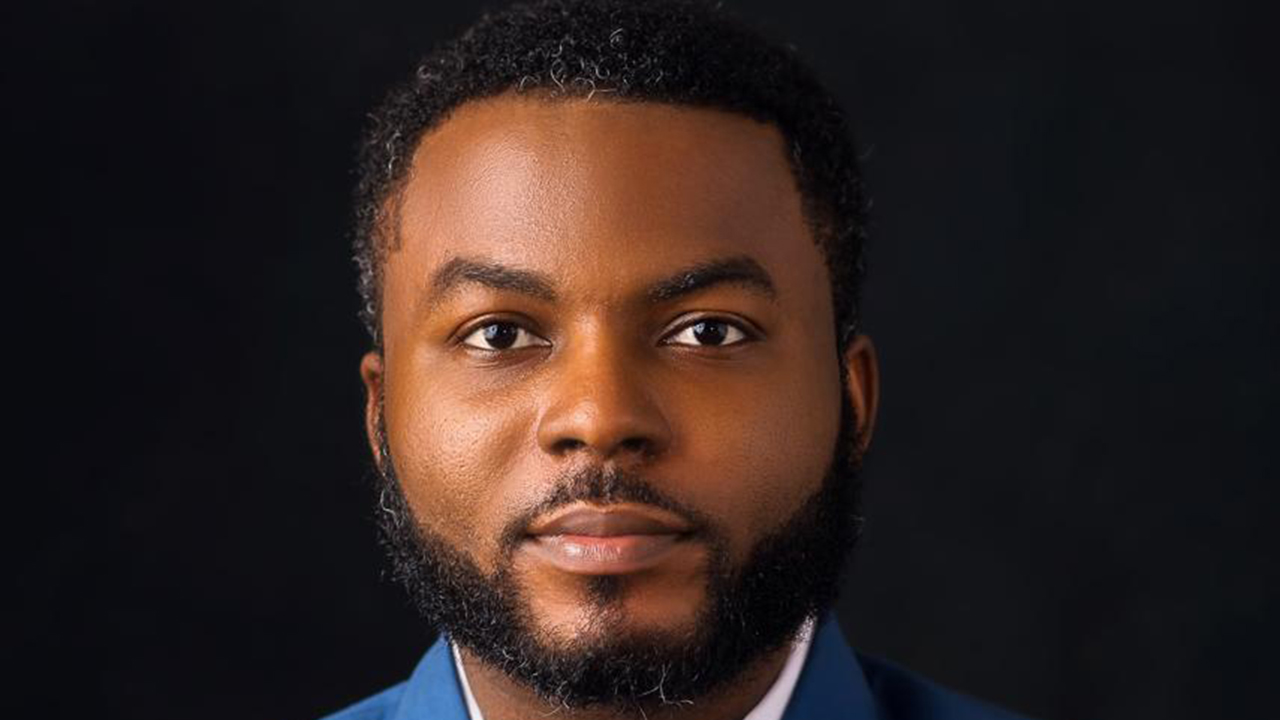
Leading voices from the fields of artificial intelligence, cybersecurity, data science, and digital transformation convened this past week at the 4th African Symposium on Big Data, Analytics and Machine Intelligence, hosted at the Federal University of Technology, Akure (FUTA). The four-day hybrid event, themed “Data-driven AI for a Sustainable Society and Economy,” welcomed experts from around the globe to chart a path for Africa’s digital future.
Among the keynote presentations was Mr. Matthew Alaofin, a Corporate Strategy Senior Advisor at Dell Technologies. Alaofin, known for his strategic leadership in AI innovation and infrastructure modernization, presented a compelling call for Unified AI frameworks—a shift away from the fragmented, siloed systems currently dominating enterprise AI deployments across industries.
“Africa must stop building AI systems in silos. The time has come to build smart, scalable, and unified AI solutions that are reusable, interoperable, and ethical,” Alaofin said, addressing a crowd of academics, policymakers, and industry professionals.
AI in Silos: The Problem
In his presentation titled “Unified AI Frameworks for Risk, Personalization, and Threat Across Industries,” Alaofin explained how many organizations deploy multiple domain-specific AI tools that result in duplicated infrastructure, higher costs, and governance headaches. He cited examples such as FICO Falcon (fraud detection), CrowdStrike Threat Graph (cybersecurity), and Adobe Sensei (marketing personalization) as powerful but ultimately siloed systems.
He warned that this practice contributes to high technical debt, poor scalability, and compliance challenges.
The Unified Solution: Build Once, Apply Everywhere
Alaofin’s proposed solution: a unified AI architecture that uses shared infrastructure—such as central feature stores, ingestion pipelines, and lifecycle tools like MLFlow and Kubeflow—to address cross-domain needs.

Such a framework, he explained, allows banks, tech companies, healthcare providers, and government agencies to reuse core AI components like anomaly detection and adaptive learning across departments, reducing costs and speeding up innovation.
Citing global examples, Alaofin noted that companies like JPMorgan Chase, Microsoft, and Netflix already leverage unified AI systems for fraud detection, customer personalization, and compliance monitoring from a shared platform.
According to research referenced during his talk:
Companies using unified AI frameworks experience 40% faster model deployment
60% reuse of AI components across units
Up to 50% reduction in operational downtime
30–45% savings on inference costs via consolidated modeling
Alaofin argued that these outcomes could be transformative for African organizations grappling with limited resources and a rapidly digitizing economy.
Before joining Dell, Alaofin built a career across high-impact multinational companies like KPMG, British American Tobacco and American Tower Corporation.
Currently at Dell Technologies, he partners with senior leaders across business units to identify strategic priorities, evaluate AI-driven solutions, assess new market opportunities, and develop recommendations that support growth, innovation, and competitive advantage.
As the symposium drew to a close, Alaofin left participants with a call to action:
“Think composable, not monolithic. Stop building in Silos. Build smart, build unified AI framework.”
His message resonated with the academic giants in attendance, who are now evaluating how to adopt and localize unified AI systems for Africa’s public and private sectors.
With Alaofin and others leading the charge, Africa may be poised not only to adopt global AI standards—but to help define them.

