 Follow Us on Google News


 Follow Us on Google Discover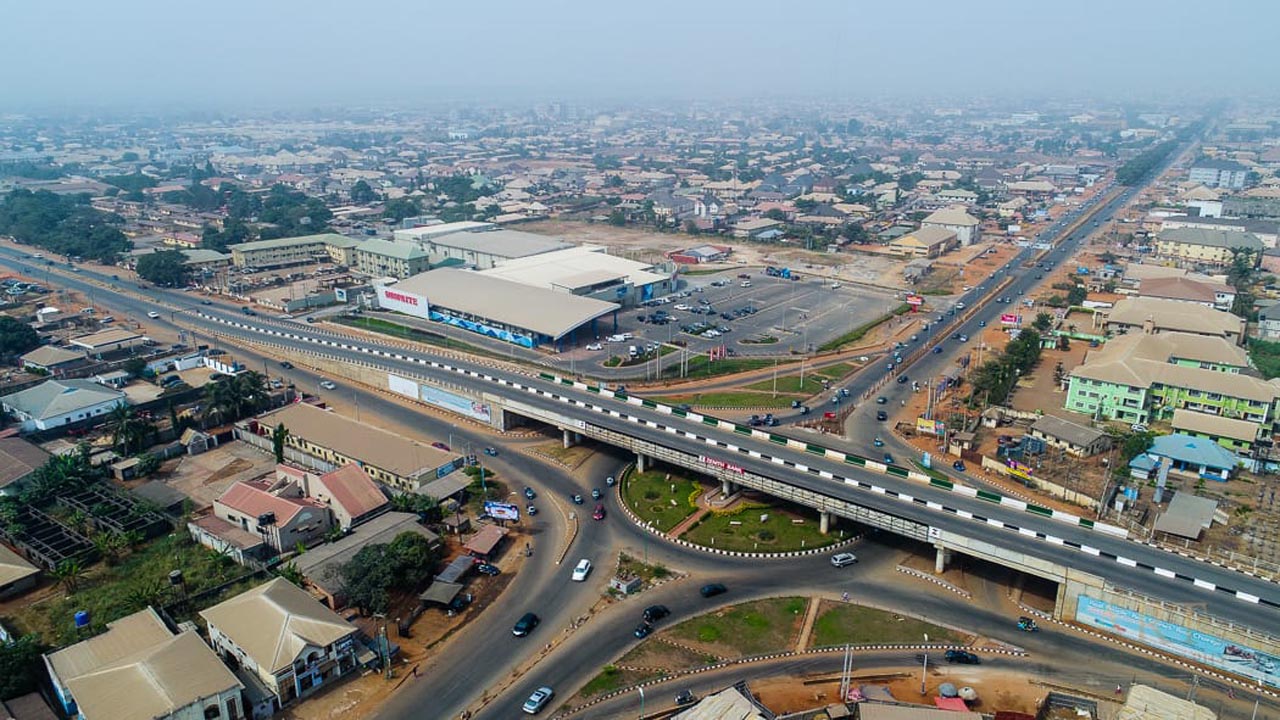

The National Bureau of Statistics (NBS) disclosed this in a recent report, noting that from N1.221 trillion in 2015, representing 50.34 per cent of the GDP, oil and gas sector’s component dropped to 47.11 per cent in 2019 even as the actual figure rose to N2.115 trillion.
It said within the period, there was a corresponding increase in the fortunes of the non-oil sector, which played a more decisive role in driving the state’s economic growth.
NBS latest report on Delta State’s economy for four years also revealed that the non-oil sector contribution to the state’s GDP rose from N1.74 trillion in 2015 to N2.356 trillion in 2019.
[ad]
However, Delta was rated the second least poor state in Nigeria in 2020, from the 12th position in 2010 in NBS poverty ranking among 36 states of the country.
Reacting to the development yesterday in Asaba, Dr. Kingley Emu, who is chief economic adviser to Governor Ifeanyi Okowa said: “The impressive poverty ranking is the outcome of an interplay of factors, including efficient public resource management, sound economic policies, effective sector interventions, social and youth-targeted job and wealth creation programmes.”
Emu said agriculture had consistently grown by 13 per cent year-on-year. The GDP of agriculture rose from N432 billion in 2015 to N583 billion in 2019, an increase of 35 per cent.

He attributed the growth in agricultural output to the effects of value chain development coupled with youth agricultural entrepreneurship programmes of the Okowa administration.
Similarly, construction GDP rose from N38.98 billion in 2015 to N54.749 billion in 2019.
“We have spent close to N400 billion in terms of contracts awarded on roads and civil infrastructure. We have over 1,500 kilometres of roads awarded and 60 to 70 percent of them completed. We have over 700 kilometres of drains and over 60 per cent of them completed.
“We have 21 bridges under construction, six of which have been completed and 15 as work in progress,” he said.
Emu further disclosed that the GDP of the trade subsector stood at N281.3 billion in 2019, up from N165.265 billion in 2015.
However, GDP for real estate recorded 84 per cent growth from 2016 to 2019, a leap Emu attributed to the state government’s infrastructure development and urban renewal programmes, among other initiatives.
[ad]

