The Debt Management Office (DMO) has called on state governments to observe the provisions of the Fiscal Responsibility Act when contracting loans, stressing that compliance is essential for sustainable public finance.
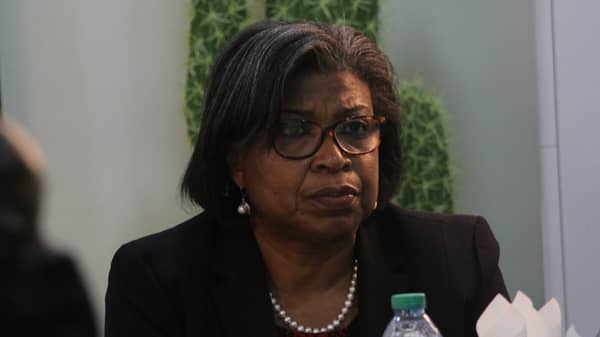
The advice was delivered on Tuesday by the Director-General of the DMO, Ms. Patience Oniha, during a workshop on borrowing guidelines for officials of state governments in Abuja.
Ms. Oniha told participants that the workshop aimed to familiarise state officials with legal and procedural requirements for borrowing, noting that a clear understanding of these regulations would facilitate access to development funds while ensuring fiscal discipline.
“We have been doing capacity building for what we call the sub-national governments, meaning the 36 states of the Federation and the Federal Capital Territory, to put them through the things that we do: debt recording, debt sustainability analysis, medium-term debt management strategy, how to record debt, all of that we put them through,” she said.
She added that the training emphasised strict adherence to the law and responsible borrowing.
“This is very important because we want the states to be familiar with the guidelines for borrowing, to adhere to the provisions of the Fiscal Responsibility Act which have set the conditions for borrowing. This part of it—which is the workshop on borrowing guidelines—is a targeted training. So it’s not about what’s your debt stock. It’s a case of what are the requirements? What is the process for borrowing,” she explained.
According to Ms Oniha, previous delays in state-level borrowing arose from a lack of clarity on procedures under the Fiscal Responsibility Act, the DMO Act, and the Investment and Securities Act.
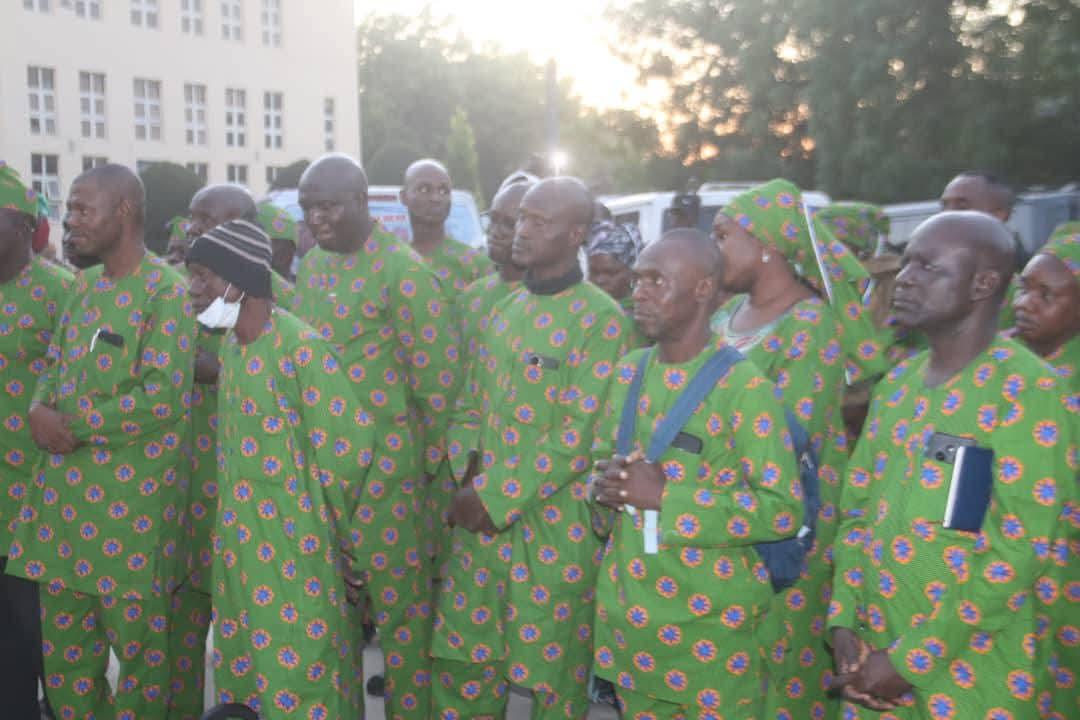
“Maybe five years ago, we had the first one in Lagos. But this time, we decided to split it to accommodate more people. As you saw today, each state has about five, six, some eight people, so that they can all understand the borrowing guidelines which basically explain the major laws that govern borrowing,” she said.
She noted that adherence to the Constitution of the Federal Republic of Nigeria and the relevant legislation is non-negotiable.
“There’s the Constitution of the Federal Republic of Nigeria, there’s the Fiscal Responsibility Act, and then there’s the Debt Management Office Act, which has provisions for borrowing. What that means is that there’s no flexibility. If it’s in the law, you really have to comply,” Ms Oniha said.
The DMO Director-General explained that understanding the borrowing process is critical for states to access funds from both domestic and international lenders.
“Any lender, whether they’re borrowing from, even if it’s from a development finance institution like the World Bank, it still has to go through that process. The idea is to equip them with all the skills, the knowledge they need, so that each time they want to borrow, they are ready and the process is smooth. Ultimately, the expectation is that the funds that they raise will be used for development in the state,” she added.
The workshop, attended by multiple officials from each state, underscores the federal government’s continued emphasis on fiscal discipline and capacity building among sub-national governments in the management of public debt.