 Follow Us on Google News


 Follow Us on Google Discover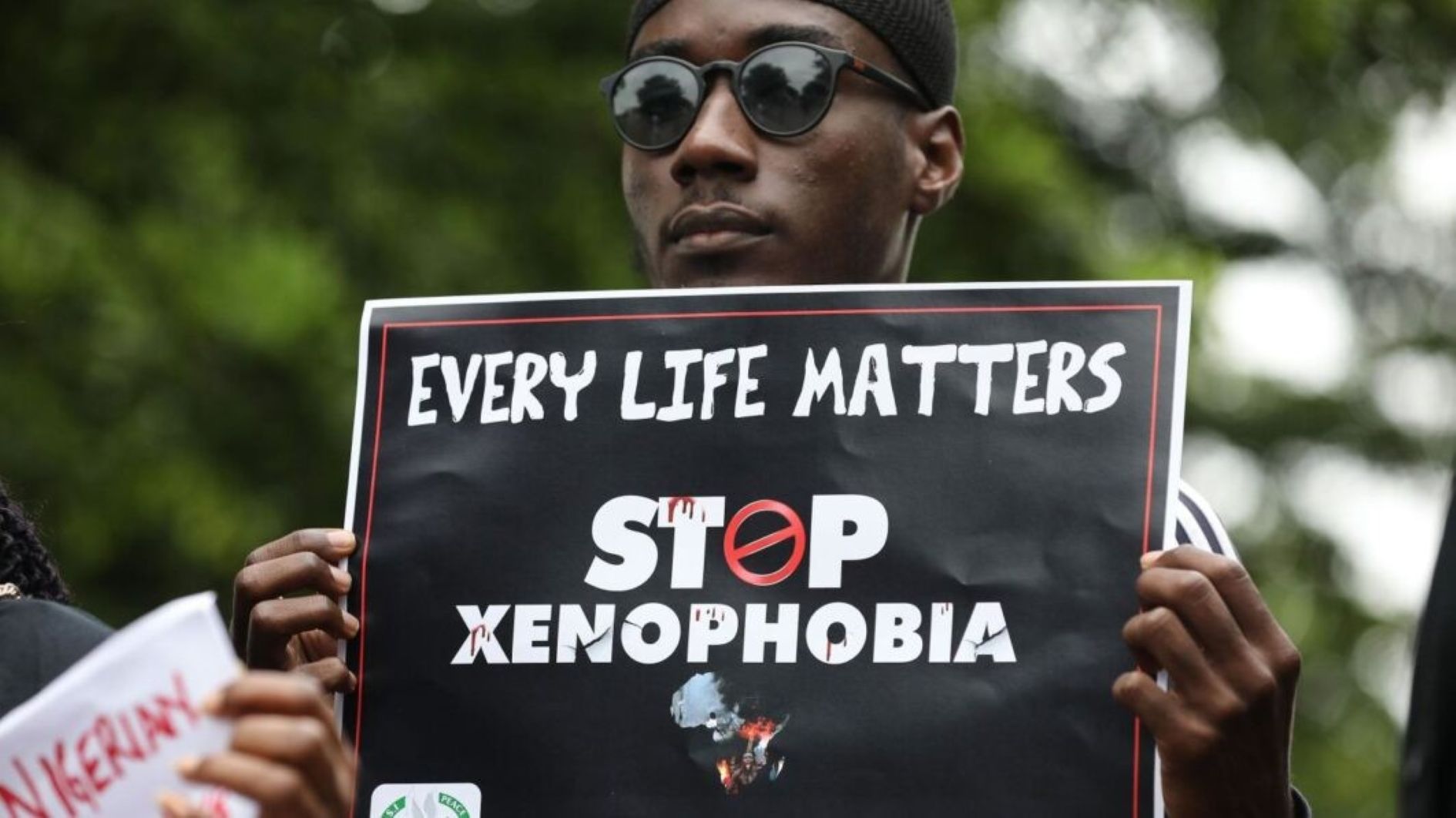
Egg heads from the University of Uyo (UNIUYO), Akwa Ibom State and civil society organisations (CSOs) at the global Africa Day Summit under the aegis of The Pan African Dialogue Institute (TPADI) have expressed concerns over deep division and political disharmony adversely affecting the growth and development of the continent.
The conferees, including key resource persons mostly from academia, regretted the infiltration of neocolonialism influence in the continent long after independence across the 54 African countries, noting that such alliances had hindered Africa from harnessing its rich potential for self-actualisation.
The forum condemned in strong terms the perennial Xenophobic attacks in South Africa and neighbouring Ghana, against fellow black Africans, including Nigerians, thereby rubbishing the ‘Ubuntu’ values that bind the continent together.
Wondering why Africans should need visas and other immigration documents to travel to sister countries in Africa, the resource persons noted that such restrictions had become antithetical to the growth and development of the continent and called for the relaxation of impositions for ease of doing business, as such protocols were not imposed in American nations.
Addressing the forum on behalf of others, TPADI President, Prof. Effiong Udoh, at a press conference to mark this year’s Africa Day, explained that the event aimed at reawakening Nigeria’s leadership capacity and historical mission for a strong, virile and prosperous Africa.
HE spoke just as the Nigerian community in South Africa says no fewer than 105 Nigerians had been killed in the country over the past seven years, following the wave of xenophobic attacks against migrants.

This is contained in a statement, signed by the community’s leaders, Smart Nwobi and Frank Onyekwelu, of the Nigerian Union South Africa (NUSA), and Nigerian Citizens Association South Africa (NICASA), respectively.
The statement dismissed a South African Broadcasting Corporation (SABC) report attributed to South Africa’s Department of International Relations and Cooperation (DIRCO), which claimed that migrants were not being killed in South Africa.
It noted that, over the years, migrants, particularly Nigerians, had been victims of fatal xenophobic incidents, including alleged extra-judicial killings, mob attacks, vigilante violence, shootings, and unlawful use of force.
While acknowledging the importance of responsible public communication and the need to avoid inflammatory narratives, the community said it was equally important to unveil the painful realities experienced by Nigerians and other foreign nationals.
The statement further stressed that about eight Nigerians reportedly lost their lives under tragic circumstances in 2024, while in 2025, eight others similarly died in shootings, violent confrontations, and deaths in police custody.
The community, therefore, urged the South African authorities to intensify efforts to protect the lives and rights of all residents, irrespective of nationality or immigration status.
It also called on the country’s authorities to ensure thorough, transparent, and impartial investigations into all reported cases involving violent attacks, deaths in custody, and alleged extra-judicial killings.

