 Follow Us on Google News
 Follow Us on Google Discover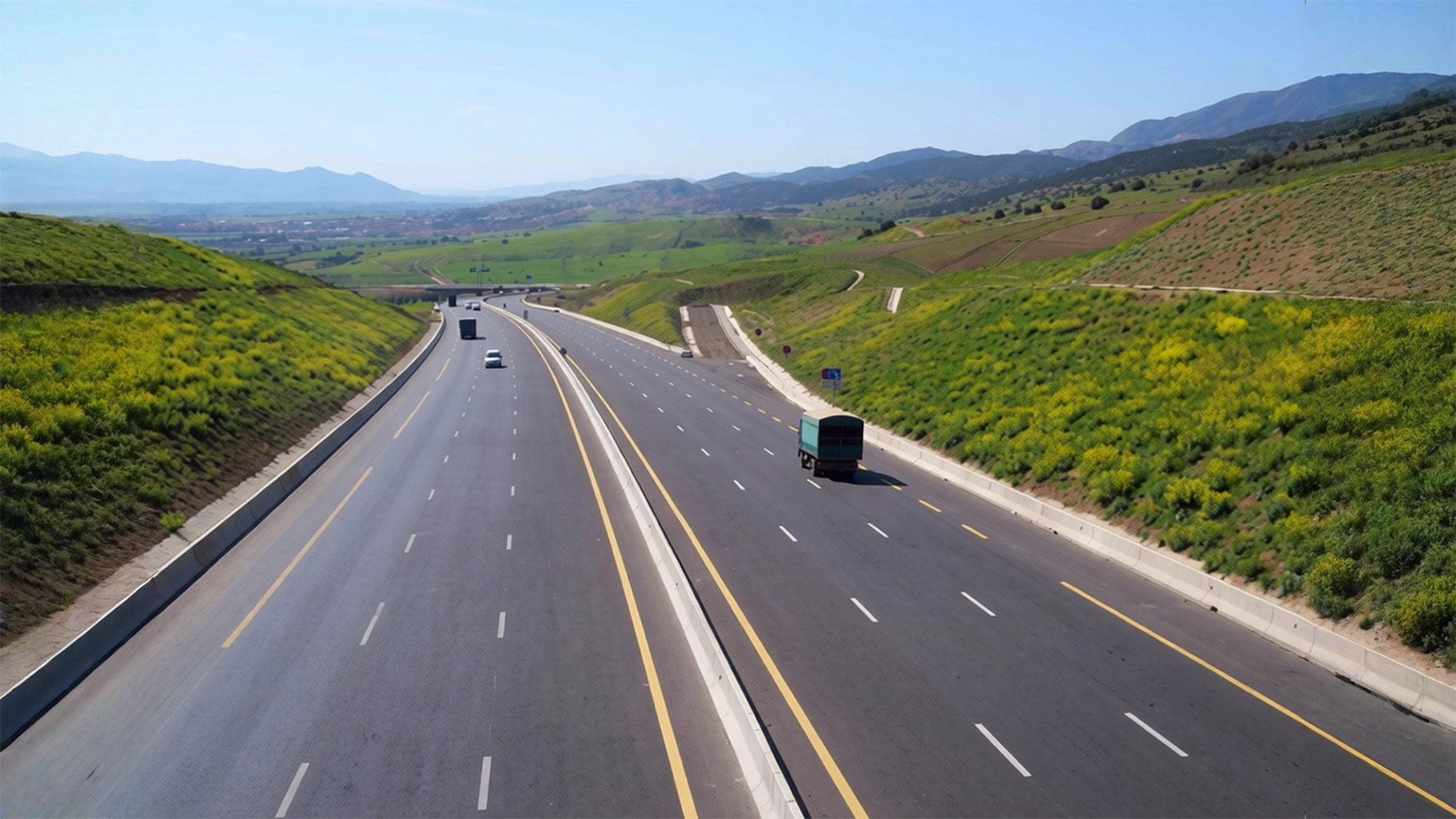
Economic Community of West African States (ECOWAS) has activated parallel regional frameworks targeting infrastructure development and trade facilitation within its $734.8 billion regional market.
The measures include the inaugural board meeting of the Abidjan-Lagos Corridor Management Authority (ALCOMA) in Nigeria and a cross-border capacity-building initiative in Togo.
The infrastructure track advanced during ALCOMA’s first Board of Directors meeting from June 11 to 12, 2026. The session established the internal operating governance framework, procedural rules, and succession protocols required to transition the six-lane supranational highway project from investment to direct execution.
Mandated by a treaty signed by the Heads of State of Benin, Côte d’Ivoire, Ghana, Nigeria, and Togo, ALCOMA oversees the development corridor, which is projected to open progressively from 2030.
Following the rotational guidelines of the Inter-Governmental Agreement, the board designated Mr Wilfrid Lauriano Do Rego of Benin as its first chairperson for a two-year tenure, with Mr Ayadji Omolade Hodonou Sourou Jacques automatically becoming Deputy Chairperson.
An auditor with over 36 years of multinational experience, Do Rego will oversee the board alongside ECOWAS representative Mr Chris Appiah. The board also formed two interim sub-committees: Human Resources, to manage the recruitment of a Chief Executive Officer; and Legal Corporate Secretary, and Finance, to oversee operational budgets and investment mobilisation.

The African Development Bank (AfDB) was endorsed as a non-voting member and Mandatory Lead Arranger to coordinate financing for the estimated $15 billion project. This is supported by a proposed $500 million catalytic capital envelope from the ADF-17 Regional Operations Envelope and allocations from Benin, Côte d’Ivoire, and Nigeria.
In another development, the ECOWAS Commission launched a regional trade workshop on June 22, 2026, in Lomé, Togo. Organised by the ECOWAS Centre for Gender Development (ECGD) and the Togolese government, the initiative addresses barriers faced by small-scale cross-border traders, particularly women, including administrative obstacles, harassment, and limited access to financing.
The workshop will evaluate the ECOWAS Gender and Trade Action Plan (2015–2020) and validate the new Gender and Trade Strategy (2026–2030).

