 Follow Us on Google News
 Follow Us on Google Discover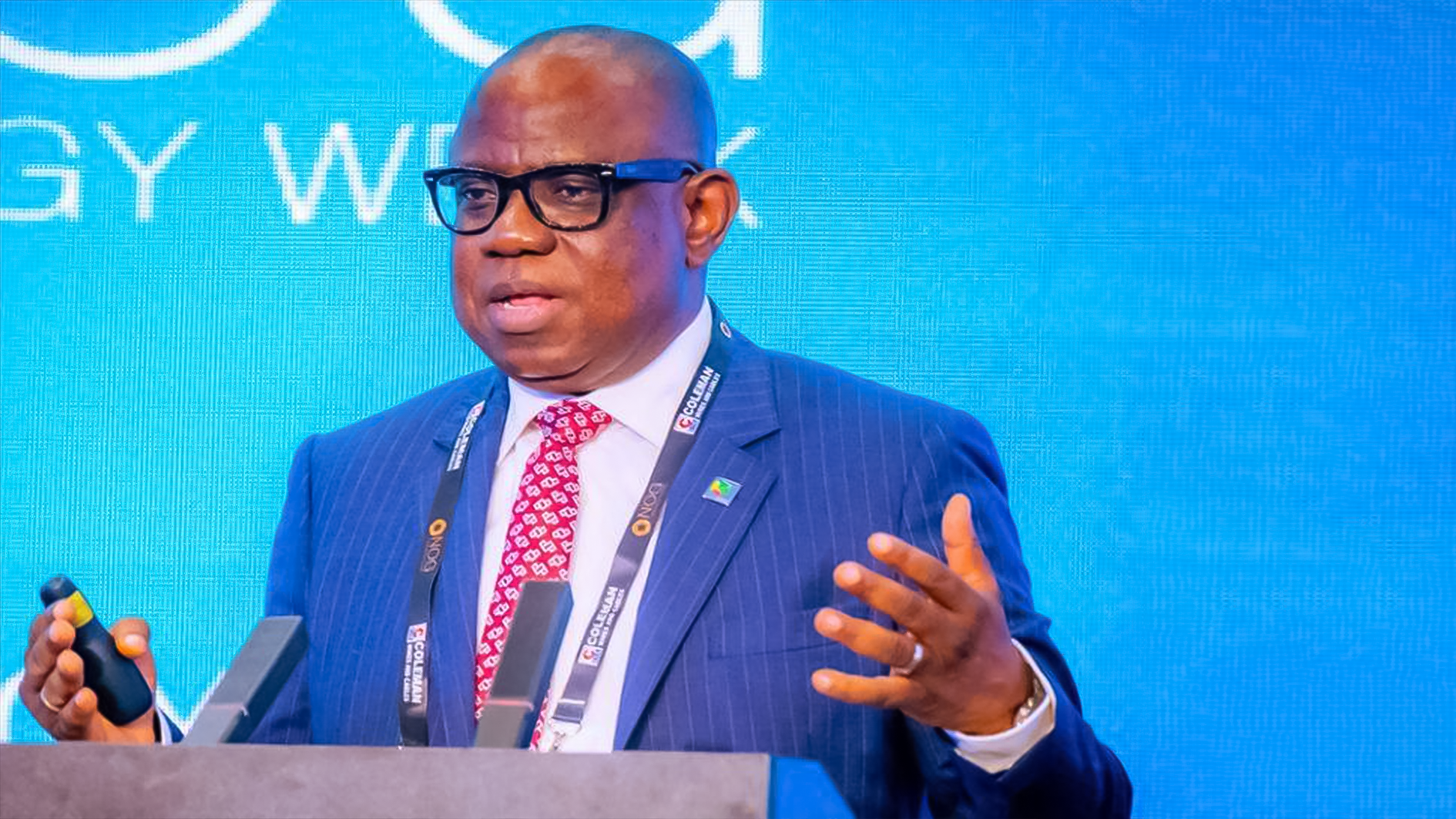
Ten years after Nigeria and Morocco unveiled plans for the proposed $25 billion African Atlantic Gas Pipeline (AAGP), the project has secured another political endorsement following the signing of an Intergovernmental Agreement (IGA) by Heads of State of ECOWAS member countries.
The agreement was signed at the ECOWAS Summit in Freetown, Sierra Leone, over the weekend, providing the legal framework for participating countries to advance the cross-border gas pipeline.
However, despite the latest milestone, the project is yet to reach a Final Investment Decision (FID) or secure financing for construction.
This is coming at a time when similar projects like the Ajaokuta-Kaduna-Kano as well as 130-kilometre Obiafu-Obrikom-Oben (OB3) Gas Pipeline are struggling to reach completion after missing several deadlines, insecurity and a funding crisis, which saw major financiers pull out.
Originally announced in 2016, the project has remained at the planning stage, with governments signing a series of memoranda, agreements and technical studies over the past decade.
The proposed pipeline will stretch nearly 6,900 kilometres from Nigeria through 13 Atlantic coastal countries to Morocco, with links to landlocked Sahel nations, currently facing insecurity and the Maghreb-Europe Gas Pipeline. It is designed to transport 30 billion cubic metres of natural gas annually, including up to 15 billion cubic metres for Morocco and European markets.

According to the Nigerian National Petroleum Company Limited (NNPC Ltd.) and Morocco’s Office National des Hydrocarbures et des Mines (ONHYM), the latest agreement gives effect to the approval granted by ECOWAS leaders in December 2024 and concludes the institutional process initiated after Nigeria and Morocco signed a Memorandum of Understanding in 2022.
The promoters said Front-End Engineering Design (FEED), route reconnaissance, environmental and social studies, as well as legal and commercial frameworks, have been completed, positioning the project for implementation.
Despite these developments, neither NNPC nor ECOWAS had yet to disclose when construction would commence, how the estimated $25 billion cost would be financed, or when a Final Investment Decision would be made.
NNPC Group Chief Executive Officer, Bashir Bayo Ojulari, said the agreement provides the sovereign backing required to move the project “from vision to delivery”, adding that it would help bring about three billion cubic feet of Nigerian gas per day to market.
ONHYM Director General, Amina Benkhadra, described the signing as another milestone in the realisation of the project.
The latest announcement also comes as Nigeria continues to face domestic gas shortages that have constrained power generation and industrial supply, while the proposed pipeline is expected to channel part of its annual capacity to Morocco and European markets.
Following the signing by ECOWAS member states, Morocco and Mauritania are expected to complete the intergovernmental framework before establishing a Pipeline Higher Authority in Abuja and a project company in Casablanca, in preparation for the project’s long-awaited Final Investment Decision.

