 Follow Us on Google News


 Follow Us on Google Discover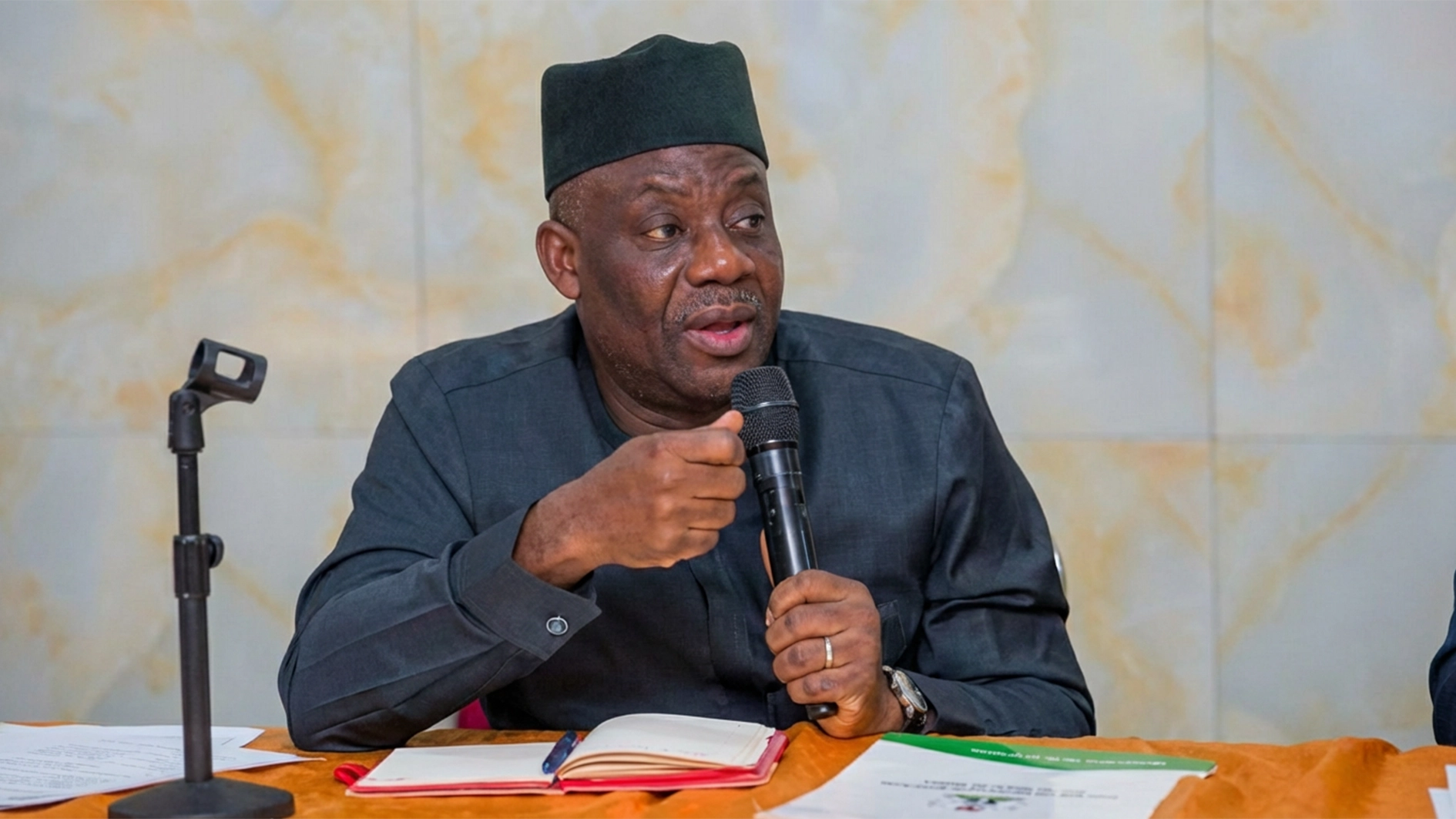
No OOSC data on UBEC, NCAOOSCE, NSSEC websites
FG says one million children reintegrated through interventions
Experts blame anti-Western education ideology, poor local data systems
The Federal Government has raised fresh concerns over Nigeria’s worsening education crisis, revealing that nearly 15 million children remain out of school nationwide.
The disclosure comes amid the absence of publicly accessible data on out-of-school children from key education agencies, including the Universal Basic Education Commission (UBEC), National Commission for Almajiri and Out-of-School Children Education (NCAOOSCE), and National Senior Secondary Education Commission (NSSEC).
The government, however, said ongoing interventions have helped reintegrate more than one million children into schools.
The development was highlighted under Pillar Three of the Nigeria Education Sector Renewal Initiative (NESRI), which focuses on reducing the number of out-of-school children and integrating non-formal learners into the formal education system.
According to information published on the NESRI platform, the Federal Ministry of Education has launched multiple programmes aimed at returning children to classrooms, improving literacy and numeracy, and creating a sustainable framework for Almajiri education nationwide.

The ministry disclosed that over one million out-of-school children have been reintegrated into schools, while more than 120 learning centres have been established across the country to expand access to education.
It also stated that 36 state offices have been created to coordinate interventions, while over 1,400 Tsangaya teachers have been trained to support the integration of formal education into traditional Islamic learning systems.
Key initiatives highlighted include the NCAOOSCE programme, the Back2School campaign, and an interactive dashboard designed to track out-of-school children and monitor interventions.
According to the ministry, the objectives include reducing the number of children outside the school system, ensuring sustainable retention in schools, integrating literacy and numeracy into non-formal learning settings, and developing a comprehensive policy framework for Almajiri education.
“According to international sources, there are approximately 15 million out-of-school children in Nigeria. As part of the administration’s commitment to returning children to school, the Federal Ministry of Education has launched comprehensive programmes targeting out-of-school and Almajiri children,” the ministry stated.
The ministry added that the interventions include NCAOOSCE programmes, Back2School drives, Tsangaya teacher training, and formal curriculum integration.
Speaking during a special roundtable session at the Education World Forum in London on Monday, the Minister of Education, Tunji Alausa, said the government was intensifying efforts to address the challenge.
He explained that the Accelerated Basic Education Programme (ABEP) provides an approved pathway for children outside the formal school system to transition into junior secondary education.
“ABEP centres and formal schools now use the same coaching tools and learning materials, with State Universal Basic Education Board officers supervising both systems across 15 states. There are no parallel systems, lower costs and consistent quality,” he said.
However, checks on the websites of UBEC, NCAOOSCE, and NSSEC showed that none of the agencies had published current data on the number of out-of-school children in the country.
The development has raised concerns about Nigeria’s continued dependence on statistics from international organisations amid the growing education crisis.
Education experts warned that the situation threatens Nigeria’s chances of achieving the United Nations Sustainable Development Goal 4, which seeks to ensure inclusive and equitable quality education for all by 2030.
Speaking with The Guardian, Prof. Edem Eniang of the University of Uyo described the situation as alarming, linking the crisis partly to the anti-Western education ideology associated with insurgent groups such as Boko Haram.
He argued that regions where such beliefs persist account for the highest number of out-of-school children.
“It’s almost incredible to think that a developing nation in this century can continue to sink deeper into educational backwardness,” he said.
Eniang also blamed weak educational motivation, unemployment, and declining public confidence in formal education for worsening the crisis.
Also reacting, the initiator of the Creative Change Centre, Omole Ibukun, warned that the crisis extends beyond schooling and threatens national stability, economic development, and democratic growth.
He expressed concern over Nigeria’s continued reliance on foreign-generated or fragmented data for such a critical issue.
“If the government cannot accurately map where millions of children are, why they are out of school, and the conditions driving their exclusion, interventions risk becoming reactive rather than transformative,” he said.
“Data is political power. Without a strong local data infrastructure, policymaking becomes guesswork, donor-driven, or headline-driven.”

