 Follow Us on Google News


 Follow Us on Google Discover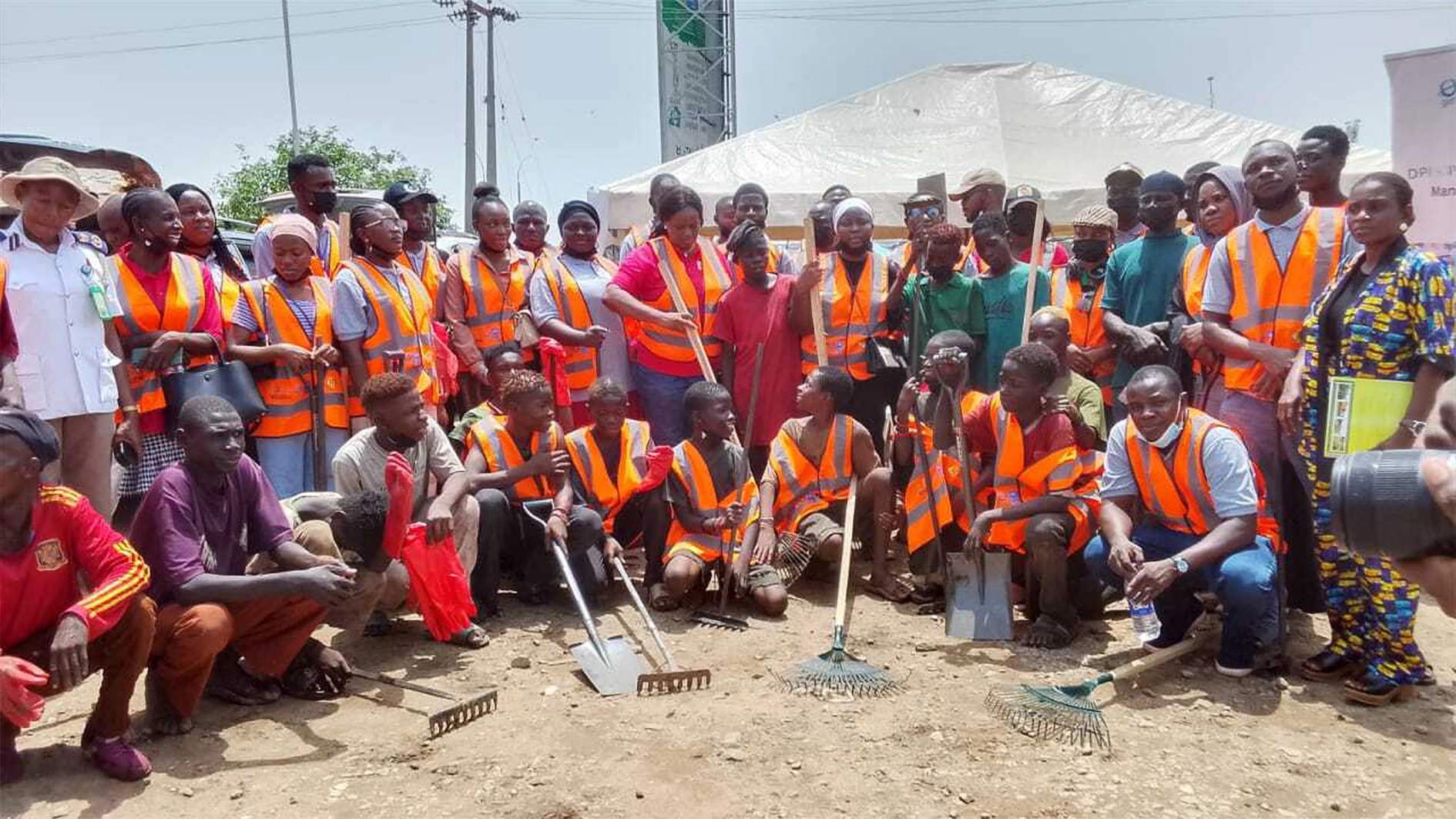
Environmental stakeholders have renewed calls for stronger public action against plastic pollution in the Federal Capital Territory (FCT), as concerns grow over the environmental and health impacts of indiscriminate waste disposal in the capital city.
In response to this challenge, youth groups, government agencies and development partners on Tuesday embarked on a clean-up and sensitisation campaign aimed at promoting a cleaner and healthier Abuja.
The initiative, implemented under the Digital Peers International-Small Grant (DPI-SG) project titled “Deploying the Power of IT-Engaged Youths in Effective Plastic Use and Plastic Waste Management 2.0,” brought together the Abuja Environmental Protection Board (AEPB), the Federal Ministry of Environment, youth groups and informal waste collectors.
This comes as Nigeria is estimated to generate over 2.5 million tonnes of plastic waste annually, a situation that continues to strain waste management systems.
The exercise focused on environmental sanitation, public awareness and behavioural change, with organisers stressing the need for residents to stop indiscriminate disposal of plastic waste, particularly sachet water nylons, which often clog drainage systems and worsen flooding in urban areas.
Chief Executive Officer of Digital Peers International and retired Permanent Secretary of the Federal Ministry of Environment, Dr Ibukun Odusote, said the campaign was designed to promote both environmental cleanliness and responsible plastic use among residents.

According to her, the initiative goes beyond street cleaning to changing attitudes toward waste generation and disposal.
“We are cleaning up in Gwagwalada Park, Area 1, Garki Abuja, and the purpose is to sensitise park users so that they understand that cleanliness is wealth. That is actually what makes for good life,” she said.
Dr Odusote warned that improper disposal of plastics continues to block drainage channels and disrupt the natural flow of water, leading to avoidable environmental and health challenges.
“When you take your water, pure water as we call it in sachets, don’t throw the sachets on the street. They are blocking our waterways and places where water is supposed to flow freely so that we can have good sanitation and healthy living,” she added.
She explained that the project, supported by the United Nations Development Programme (UNDP) Small Grants Programme, also focuses on turning plastic waste into wealth through recycling and innovation.
According to her, young people involved in the programme are already producing useful items from plastic waste, including interlocking tiles, furniture and other household materials.
“One of the participants has a production plant where he is producing interlocking tiles from plastics. He melts the plastics, pours them into moulds, adds a bit of sand, and it becomes interlocking tiles,” she said.
“These interlocking tiles are durable and can last for many years. What we are promoting is waste-to-wealth. Plastics are not just waste; they are valuable materials.”
Dr Odusote called for stronger institutional support for youth-led recycling initiatives, noting that proper investment in plastic waste management could create jobs and reduce environmental pollution.
She added that the initiative has expanded beyond the FCT into neighbouring states, attracting participation from youths in Nasarawa, Niger, Kaduna and Kano States.
“We are covering the whole of FCT and Nasarawa State, and from there we have moved into Niger State. Even participants from Kaduna and Kano came on their own because they are interested in the project,” she said.
Also speaking, a representative of the Abuja Environmental Protection Board (AEPB), Eyo Maureen, commended the organisers for the initiative, describing it as a vital step toward environmental sustainability.
She said environmental protection is a collective responsibility that requires sustained awareness and behavioural change at all levels of society.
“The environment is our shared home. The way we treat it today will determine the kind of future we leave for coming generations,” she said.
Maureen noted that poor waste disposal practices remain a major cause of flooding, pollution and public health risks in many communities.
She urged residents to embrace proper waste disposal habits and support recycling efforts to keep Abuja clean and safe.
“Today’s exercise is more than just picking up waste. It is about creating awareness, encouraging behavioural change and promoting environmental sustainability,” she said.
Participants in the exercise, including youths, volunteers and informal waste pickers popularly known as “Babanbola,” moved through designated locations collecting plastic waste and sensitising residents on proper disposal methods.

