 Follow Us on Google News


 Follow Us on Google Discover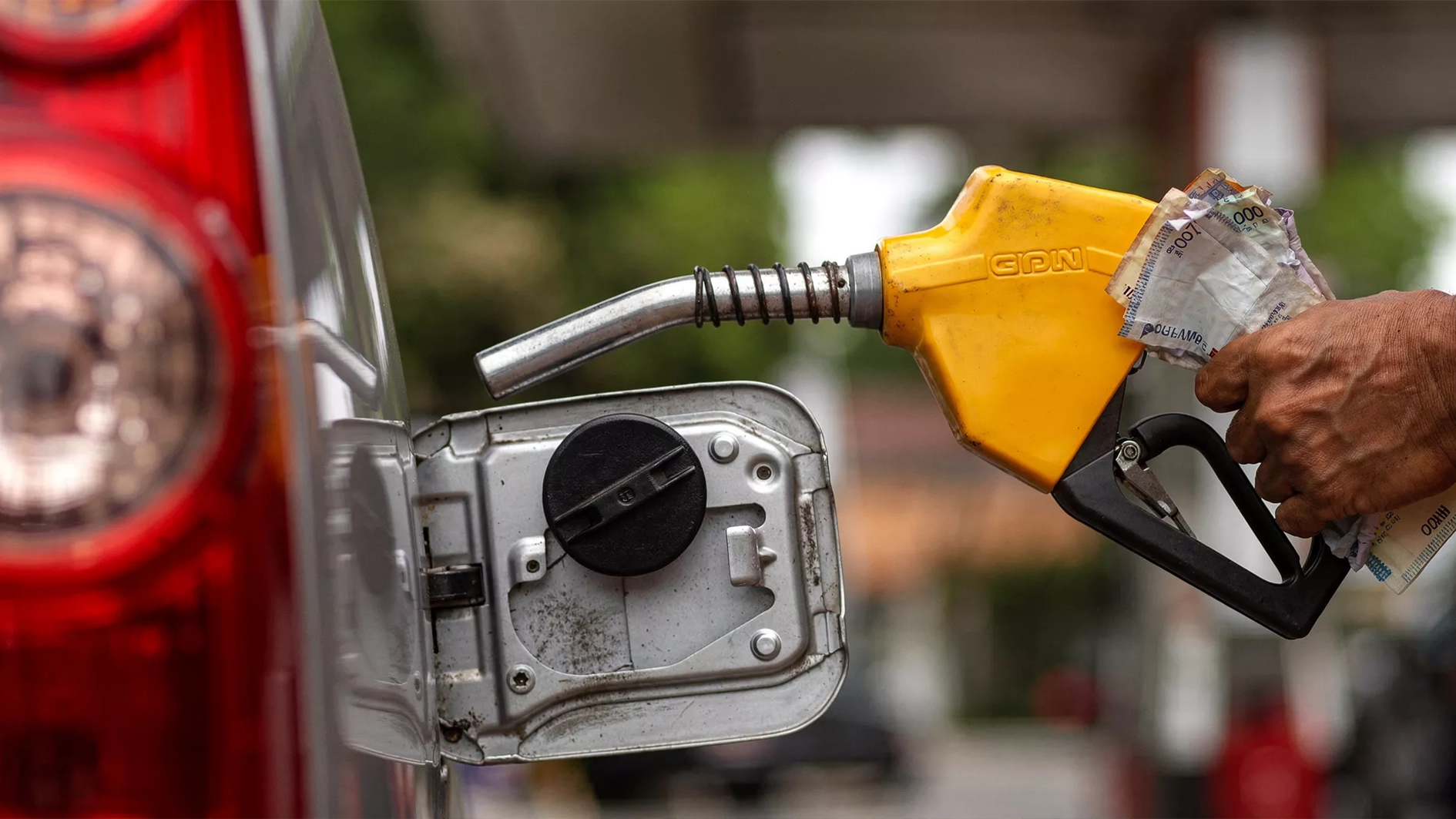
Dangote raises depot rate to N1,275 as marketers warn of N1,500 pump risk
Concerns over a potential global oil glut are mounting, just as Nigeria moves to reprice its crude, with the Organisation of the Petroleum Exporting Countries (OPEC) facing a fresh test of cohesion following the exit of the United Arab Emirates (UAE).
Meanwhile, the downstream petroleum market is facing renewed pricing pressure following Dangote Petroleum Refinery’s upward review of its ex-depot petrol price to N1,275 per litre from N1,200 per litre, heightening fears of further increases in retail pump prices across the country
Data obtained by S&P from the Nigerian National Petroleum Company Limited (NNPCL) showed that Nigerian crude would see an average increase of $6.15 per barrel for May delivery across all 37 crude oil grades.
Official Selling Prices (OSPs) show higher premiums over Dated Brent, with Bonny Light rising to $6.86 per barrel and Forcados to $8.49 per barrel. Antan Blend recorded one of the sharpest hikes, now priced at $9.33 per barrel premium.
The pricing adjustment signals Nigeria’s attempt to capture stronger margins amid tightening prompt supplies and improved demand for light, sweet crudes.
However, there are fears that the strategy may collide with emerging downside risks in the global market. Those risks are being amplified by structural shifts within OPEC itself, which came days after UAE’s decision to leave the cartel from May 2026.

Wood Mackenzie, yesterday, described the situation as the most significant rupture in OPEC’s history, noting that it heightened fears of a looser supply regime in the medium term.
While the immediate supply impact is muted due to geopolitical constraints, including disruptions around the Strait of Hormuz, the longer-term implications, the organisation said, are more profound.
For Nigeria, this creates a delicate balancing act as higher OSPs reflect confidence in the competitiveness of its crude grades, particularly in European and Asian markets seeking alternatives to heavier or sanctioned barrels but elevated premiums risk pricing Nigerian cargoes out of the market if global supply expands and benchmark prices weaken.
Wood Mackenzie’s Macro Oils and Upstream experts, Alan Gelder, Douglas Thyne, Hazel Seftor, Alexandre Araman and Dalia Salem, noted the widening gap between UAE’s production capacity and OPEC+ quota allocations as a central factor.
Noting that the UAE committed $145 billion (real, 2026) to its domestic upstream oil sector over the decade to 2030, the experts said overarching goals were to sustain oil production and expand capacity from under four million barrels per day in 2020 to five million barrels per day by 2027. By 2024, capacity had reached 4.85mbpd.
DANGOTE refinery also adjusted its coastal price to N1,215 per litre in a move that industry operators say reflects rising global crude oil costs and tightening supply dynamics in the international market.
The development, confirmed by the industry price-tracking platformPetroleumprice.ng, coincides with a temporary suspension of sales operations following the reported halt in Proforma Invoice (PFI) issuance, a key administrative process that coordinates product lifting and distribution.
The Guardian gathered that the suspension occurred on Monday at about 4.00 p.m., disrupting loading schedules and temporarily affecting the flow of Premium Motor Spirit (PMS) and Automotive Gas Oil (AGO) within the supply chain.
Industry operators say the disruption has already begun to create uncertainty across depots, with marketers recalculating landing costs and bracing for immediate retail pricing adjustments.
At the time of filing this report, Brent crude traded at $119.3 per barrel, while West Texas Intermediate (WTI) stood at $107.2 per barrel, driven by heightened geopolitical tensions in key oil-producing regions. The spike in global crude prices has significantly raised feedstock and replacement costs for refiners, feeding into the latest domestic price adjustments.
Speaking on the development, President of the Independent Petroleum Marketers Association of Nigeria (IPMAN), Ibrahim Maigandu, said the price hike was influenced by global market conditions rather than domestic policy shifts.
Also, the National President of the Petroleum Products Retail Outlets Owners Association of Nigeria (PETROAN), Dr Billy Gillis-Harry, said the latest increase reflects long-standing structural pressures in the global oil market.
He added that the situation was consistent with earlier warnings from industry stakeholders.
Looking ahead, PETROAN warned that sustained global tensions could push pump prices beyond current expectations.
“We won’t be surprised if the price hikes beyond the 1,500 limit,” he said.

