 Follow Us on Google News


 Follow Us on Google Discover
The Federal Government is poised to position the telecom sector strategically for the attainment of the $1 trillion economy.
The process of ensuring that this is achieved was the centre of discussion at the National Telecommunications Policy Review Workshop organised by the Nigerian Communications Commission (NCC) in Lagos, yesterday.
In her keynote address with the theme “The Imperative of Policy Drivers in Attaining National Objectives and Building Collaboration across Sectors and Segments of Government,” the Special Adviser to the President on Policy and Coordination, Hadiza Bala Usman, declared that Nigeria’s revised telecommunications policy must become a “working instrument” rather than another document that “sits on shelves.”
Usman challenged stakeholders to move beyond aspiration and deliver measurable results for millions of Nigerians who still lack affordable, reliable connectivity.
“Every policy review must begin with a simple question: what problem are we trying to solve, and what future are we trying to build?” Usman asked. “A policy is not merely a document. It is the expression of a country’s priorities.”
The draft policy under review, the National Telecommunications Policy 2000, was developed at a defining moment in Nigeria’s reform journey. But Usman warned that “more than two decades later, Nigeria has changed. Technology has changed. The economy has changed. The expectations of citizens have changed.”
Usman, who said telecom is at the heart of Nigeria’s $1 trillion economy target of President Bola Tinubu, stressed that the Federal Government will support any good policies that will bring out the best of the sector.
She emphasised that telecommunications is no longer a standalone sector but “an enabling platform for almost every other sector of national life”, including digital trade, fintech, education, health, agriculture, security, and job creation.
Usman, who also heads the Central Results Delivery Coordination Unit, warned that ambition alone achieves nothing without what she called “policy drivers”: laws, institutions, funding, regulatory tools, and political will.
She announced that the proposed National Public Policy Development and Management Framework would address this gap by establishing structured approaches across all ministries, departments, and agencies, emphasising clear lifecycles, standardised processes, and periodic review.
In a significant pronouncement, Usman declared telecommunications infrastructure as “critical national infrastructure” — economic, social, security, and public service infrastructure all at once.
She said: “The protection, expansion, and resilience of telecommunications infrastructure must therefore be treated as a national priority. Fibre cuts, vandalism, theft, multiple taxation, right-of-way bottlenecks, delayed approvals, energy constraints, and insecurity do not affect operators alone. They affect citizens, businesses, schools, hospitals, security agencies, financial systems, and public institutions.”
FG backs policy review to position telecom sector for $1tr economy
Date: 21 May 2026 4:43am WAT
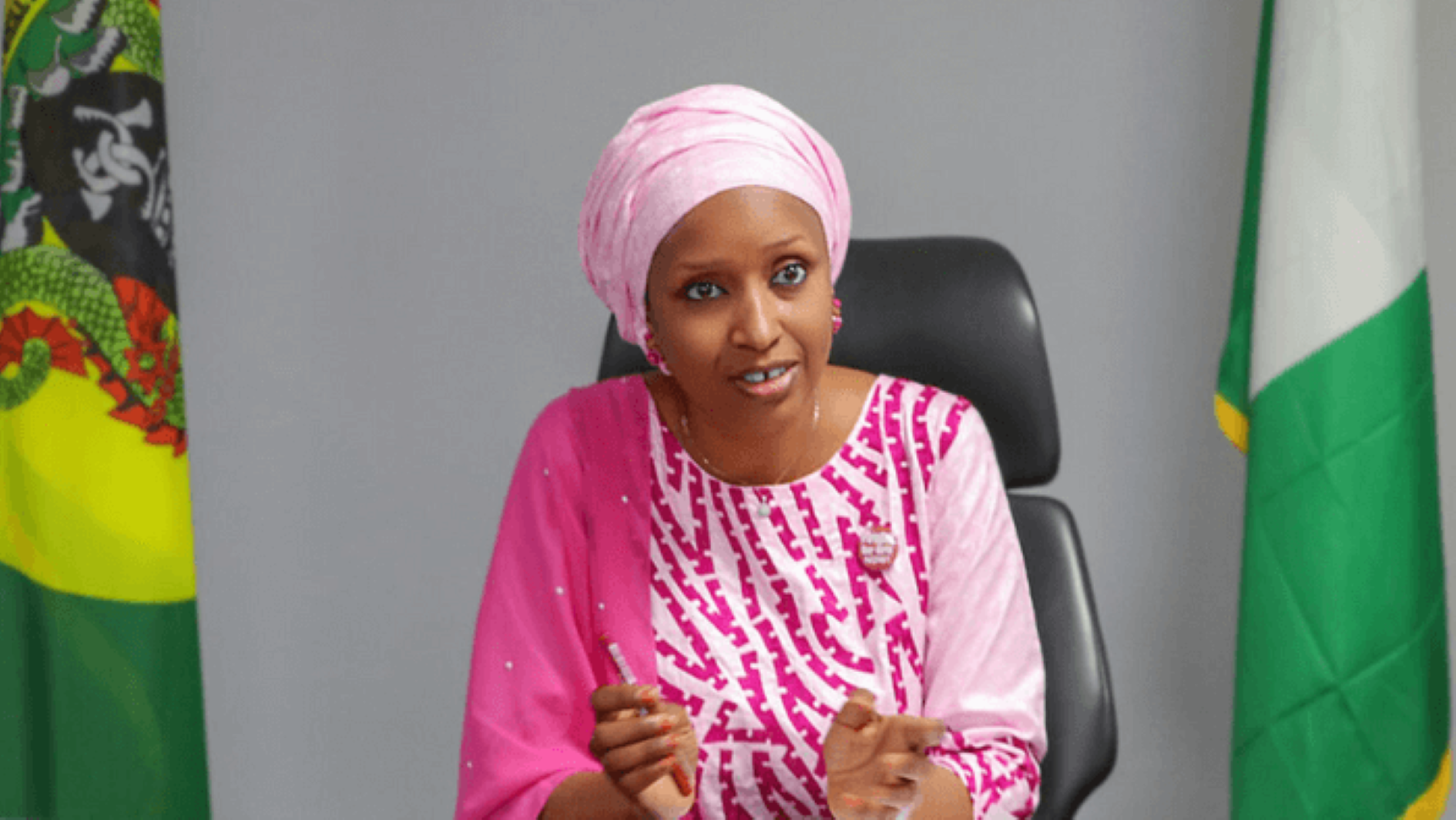
Hadiza Usman
Hadiza Usman

