 Follow Us on Google News
 Follow Us on Google Discover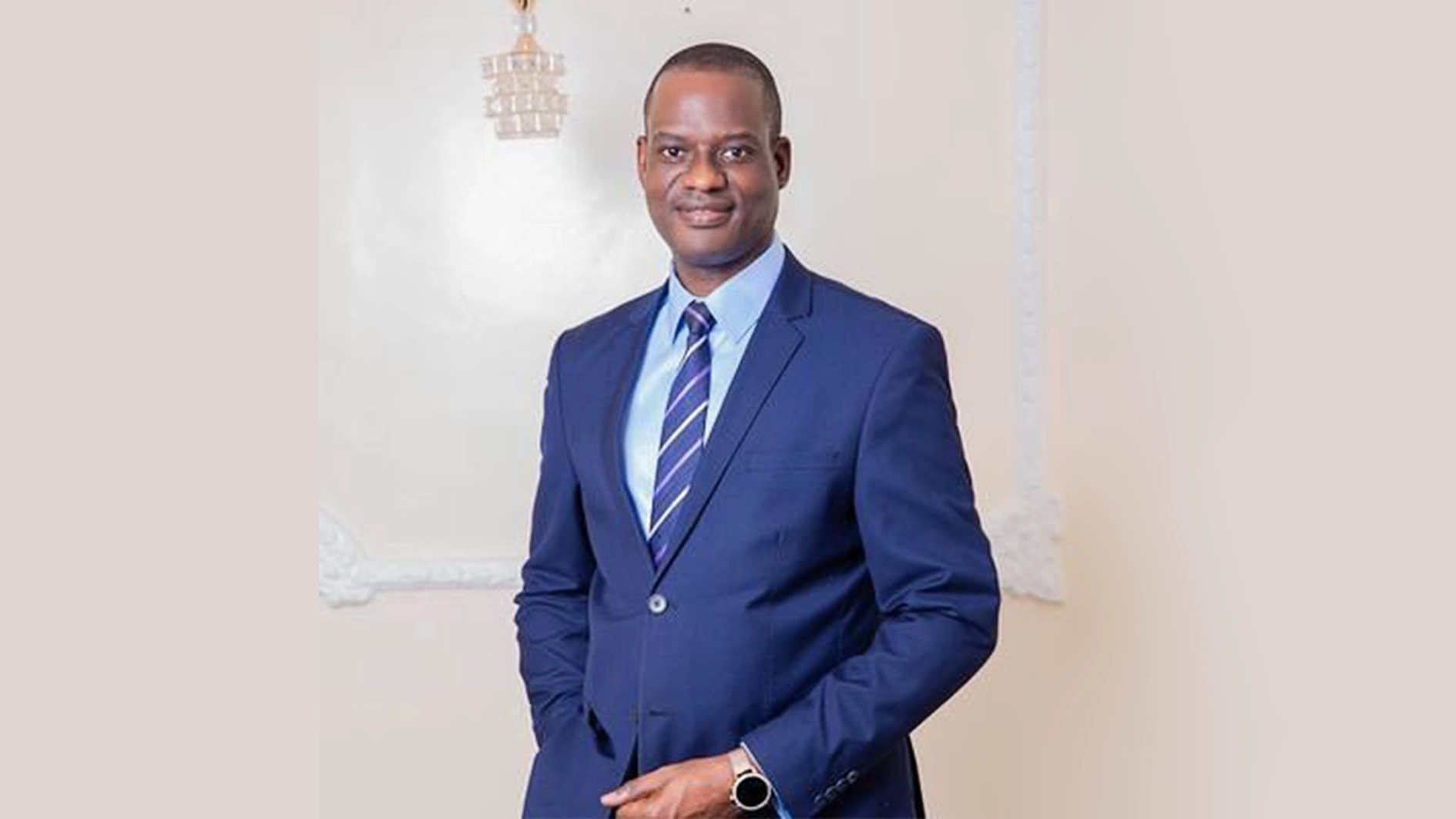
The Federal Government has commenced a fresh review of Nigeria’s fiscal and tax framework, with the proposed Finance Bill 2027 expected to address implementation gaps, multiple taxation, compliance costs and other emerging challenges affecting businesses and investment.
The Minister of Finance and Coordinating Minister of the Economy, Taiwo Oyedele, disclosed this in Abuja yesterday while inaugurating the Technical Subcommittee on Fiscal Policy and Tax Reforms.
Oyedele said the exercise was not intended to rewrite the major tax reforms enacted in 2025 but to refine them in response to problems emerging from their implementation and changing economic conditions.
According to him, the test of the reforms began when the new laws came into contact with businesses, investors, tax administrators and citizens.
The Minister of Finance and Coordinating Minister of the Economy said the government had received 134 submissions from across Nigeria’s six geopolitical zones following its public call for inputs into the next phase of fiscal and tax reforms.
The submissions, he said, had raised concerns around the complexity of the new tax laws, VAT thresholds, withholding tax, capital gains treatment, multiple taxation and coordination among revenue authorities.
He hinted that stakeholders also called for greater digitalisation and data-sharing among government agencies to prevent taxpayers from repeatedly supplying information already held by government.
Other proposals focused on stronger taxpayer rights, faster tax refunds and safeguards for small businesses, as well as measures to improve investment and competitiveness in sectors including mining, renewable energy, healthcare and capital markets.
Oyedele said the newly inaugurated subcommittee would subject the proposals to detailed evaluation, stressing that it would assess submissions on evidence and their implications for the national interest rather than the identity or institutional interest of those making them.
He said the Finance Bill 2027 should be treated as part of a continuous reform process rather than an annual legislative ritual.
“Our task is not to rewrite the 2025 reforms, but to preserve their fundamental principles while learning from implementation and responding to new economic realities,” he said.
Oyedele warned that revenue considerations should not be pursued in ways that impose greater costs on the wider economy.
He said government needed to consider the economy as a whole because a provision that increased revenue could simultaneously discourage investment, production or expansion and ultimately impose a higher economic cost.
The committee chairman identified competitiveness, productivity, investment, manufacturing expansion and formalisation as key considerations in the next phase of the reforms.
He reiterated the committee’s philosophy that Nigeria should “not tax the seed but fruits, not poverty but wealth; profits not capital, consumption not production; and value creation, not merely transactions.”
Oyedele also described complexity as a cost to taxpayers, saying complicated tax rules increase compliance expenses while creating opportunities for discretion and regulatory arbitrage.
The sub-committee has been given six weeks to complete its assignment and submit its report.
Its mandate extends beyond the Finance Bill to include a review of the Deduction of Tax at Source Regulations 2024 and preparation of revised Withholding Tax Regulations in line with the new tax laws.

Oyedele stressed that withholding tax should remain an advance-payment and compliance mechanism, not an additional cost of doing business or a tax on working capital.
The subcommittee will also review the Companies Income Tax (Significant Economic Presence) Order 2020 and develop an updated framework consistent with Nigeria’s new tax laws and international practice.
The review is particularly important as Nigeria seeks to protect its tax base while remaining attractive to technology companies and cross-border investors operating in an increasingly digital economy.
Oyedele said Nigeria needed to balance exercising its legitimate taxing rights with maintaining competitiveness for international investment.
He urged members of the subcommittee to assess the distributional consequences of proposed changes, particularly their effects on low-income households, workers, small businesses, women and young people.
He said every proposed amendment should answer fundamental questions about the problem it was designed to solve, its cost, beneficiaries, those who would bear the burden and possible unintended consequences.
The committee has brought together representatives of the Ministry of Finance, the Ministry of Justice, the Nigeria Revenue Service, the Joint Revenue Board, Customs, SMEDAN, and organised private sector and professional bodies.
The Minister said the structure was designed to help the institutions resolve issues collaboratively rather than through prolonged inter-agency correspondence.
He also directed members to maintain confidentiality over deliberations and working documents until authorised for release and to disclose any conflicts of interest.
He said the first phase of Nigeria’s tax reforms had focused on changing the architecture of the tax system, while the current phase must concentrate on making the new architecture work more effectively.
“Success will not be measured by how many sections we change, but by how many real problems we solve,” he said.

