 Follow Us on Google News
 Follow Us on Google Discover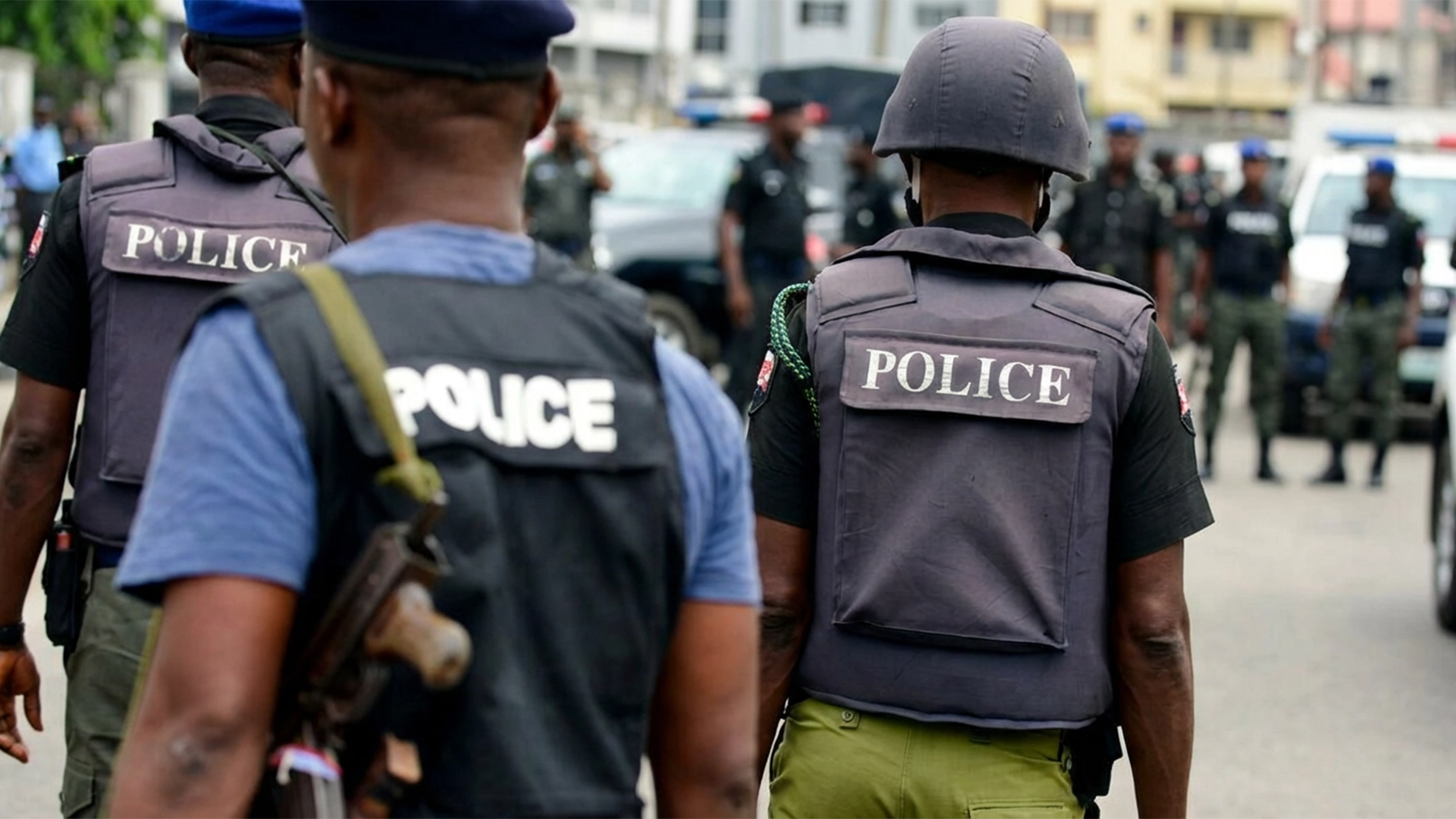
Lagos, Kogi back Tinubu, say centralised policing no longer effective
The Federal Government has renewed its call for the establishment of state police, urging the National Assembly to fast-track the necessary constitutional amendments to give legal backing to the initiative.
Lagos State Attorney-General and Commissioner for Justice, Lawal Pedro (SAN), endorsed President Bola Tinubu’s push for the establishment of state police, arguing that Nigeria’s centralised policing structure could no longer effectively address the growing security challenges.
Also, Kogi State described the President’s commitment to the initiative as a generational reform that would fundamentally transform Nigeria’s security architecture.
The Minister of Information and National Orientation, Mohammed Idris, made the appeal in Abuja yesterday during a courtesy visit by a delegation from the Centre for Crisis Communication (CCC), led by its Chairman, Maj-Gen Chris Olukolade (rtd).
According to the minister, this is a part of broader efforts to tackle Nigeria’s security challenges.
Idris said President Bola Tinubu remains committed to decentralising policing in the country and believes that state police would significantly strengthen security architecture across the federation if properly backed by law.
“It is the desire of President Tinubu to ensure that we have state police as soon as it is practicable in this country. The time has indeed come for that,” the minister said.
He noted that the President had already communicated this position to lawmakers and was appealing to them to act with urgency in the national interest.
The renewed call comes amid longstanding national conversations on decentralised policing. The proposal gained prominence at the 2014 National Conference convened under former President Goodluck Jonathan, where delegates recommended constitutional reforms to allow states to establish their own police forces.
Subsequent Constitution amendment debates in the National Assembly revisited the issue, particularly as insecurity in parts of the country heightened demands for localised security responses.
Advocates argue that state police would improve intelligence gathering, community policing and rapid response to threats, while critics raised concerns about possible political misuse.
The minister added that the Federal Government was working closely with the governors and other relevant stakeholders to actualise the age-long dream.
Idris also highlighted the role of responsible information sharing in Nigeria’s digital era. While pointing out that technology, including Artificial Intelligence (AI), has transformed crisis communication, he warned that its misuse could worsen national challenges.
He emphasised that citizens and institutions must respect the rights of others while disseminating information, and that they must prioritise accuracy, patriotism and public trust.
In his remarks earlier, the Chairman of CCC commended the government for recognising the importance of digital and crisis communication in safeguarding the nation.
He stressed the rising threat of misinformation, fake news and AI-manipulated content, urging coordinated responses across institutions.
“The resolutions reached were very clear and forward-looking. Nigeria must modernise its crisis communication system through stronger infrastructure, enhanced capacity and inclusive governance,” Olukolade said.
Emphasising that a coordinated approach between government, its security agencies and civil society is critical, he added: “We have seen how mismanaged information can worsen crises. Coordinated communication ensures the public receives clear instructions, reduces fear and helps authorities respond efficiently.”
He called for continuous training for journalists, public relations officers, and security spokespersons in advanced fact-finding, fact-checking, and crisis management.
Pedro supported the President’s call for a constitutional framework that would allow states willing and capable of funding their own police forces to establish them.
He told newsmen yesterday that many of the security threats confronting the country were largely localised crimes occurring within communities, particularly in rural areas, and therefore require policing systems closer to the people.
The commissioner listed banditry, kidnapping, terrorism, human trafficking, ritual killings, cultism, herder-farmer clashes, communal conflicts and armed robbery as examples of crimes that demand a decentralised response.
He said the persistence of the crimes reflected the overstretching of the Nigeria Police Force (NPF), which operates under a single federal structure across the vast territory of the country.
Pedro therefore proposed a unified policing architecture integrating federal and state police systems, in line with Nigeria’s federal structure and social realities.
In a statement yesterday, the Kogi State Commissioner for Information and Communications, Kingsley Fanwo, commended Tinubu for reaffirming his administration’s resolve to decentralise policing.
The state government noted that the President’s position came as the National Assembly continued deliberations on the constitutional and legislative frameworks required to establish subnational police, describing the move as a bold and strategic step towards long-term national stability.
According to Fanwo, the administration of Governor Ahmed Ododo fully aligns with the President’s vision and remains committed to supporting reforms that bring security closer to the grassroots.

