 Follow Us on Google News


 Follow Us on Google Discover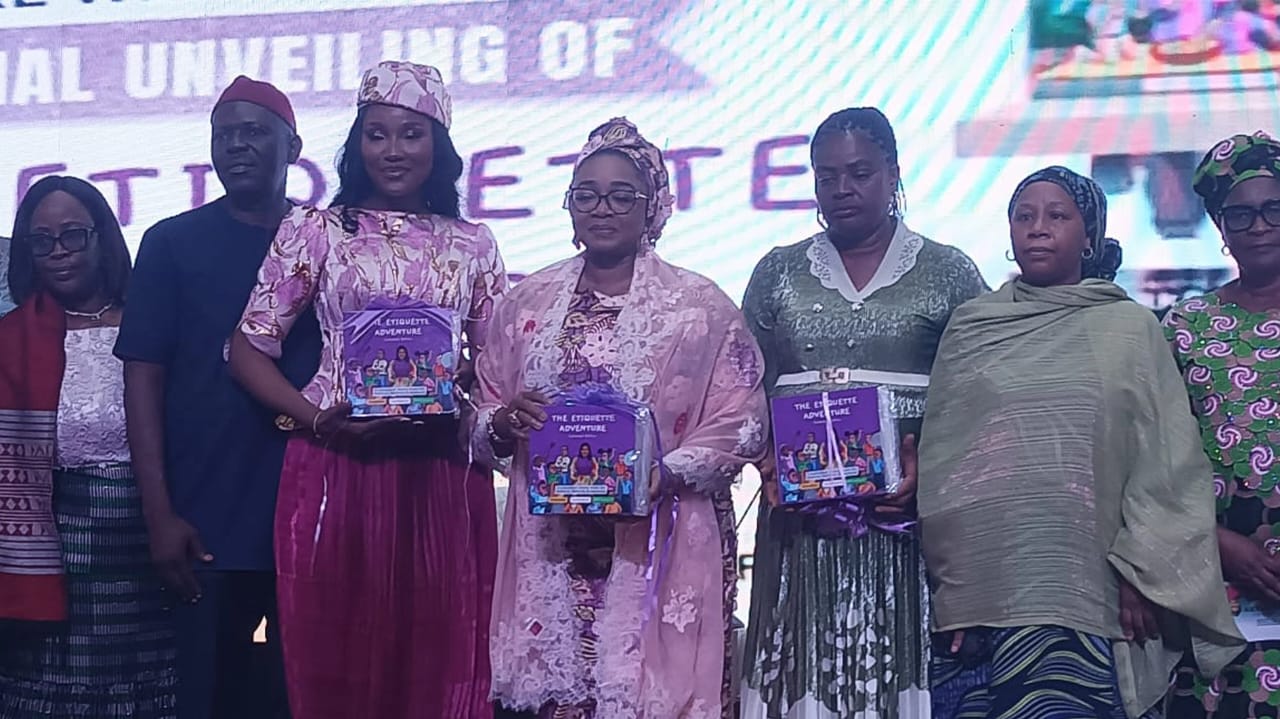
The The Federal Government (FG) has unveiled plans to professionalise caregiving services in Nigeria as part of broader efforts to strengthen social protection systems and address the growing burden of unpaid care work on women and families.
This formed the focus of discussions at the 2026 National Caregivers Summit held in Abuja to commemorate the 2026 National Children’s Day, where government officials, development partners, and stakeholders stressed the urgent need to reposition caregiving as a structured economic and social sector.
Speaking at the summit, the Minister of Women Affairs and Social Development,Imaan Sulaiman-Ibrahim, said Nigeria could no longer afford to treat caregiving as an invisible domestic responsibility, warning that the increasing pressure on women and families was affecting productivity, inclusion, and national development.
According to her, caregiving responsibilities, including childcare, elderly care, and support for persons with disabilities, continue to fall disproportionately on women and adolescent girls, forcing many to sacrifice education, careers, business opportunities, and financial independence.
“No nation can attain sustainable prosperity when a significant segment of its productive population is constrained by invisible and unsupported care responsibilities,” she said.
The minister noted that the Federal Government was now moving to formally recognise caregiving as a professional sector deserving investment, standards, and institutional support.

She disclosed that the ministry, in collaboration with caregiving organisations and stakeholders, was scaling up nationwide training and certification programmes to equip youths with employable skills in childcare, geriatric care, special needs support, and community caregiving services.
Sulaiman-Ibrahim explained that formalising the care sector would not only create employment opportunities for thousands of young Nigerians but also allow more women to participate actively in the economy and leadership spaces with confidence that their dependents are receiving proper care.
She linked the initiative to President Bola Ahmed Tinubu’s Renewed Hope Agenda, which she said prioritises human capital development, family welfare, and inclusive social protection.
The minister revealed that 2026 had been declared the “Year of Families and Social Development,” describing families as the foundation of national stability and economic growth.
She also highlighted ongoing reforms aimed at strengthening implementation of the Child Rights Act and the Violence Against Persons Prohibition Act, while expanding social protection programmes across the country.
According to her, the government is leveraging the Nigeria Education Data Infrastructure to digitise social development data and track vulnerable children, educational gaps, and exclusion indicators in real time.
Sulaiman-Ibrahim expressed concern over rising social vulnerabilities, citing figures showing that nearly 30 per cent of Nigerian women aged 15 to 49 have experienced physical or sexual violence, while child marriage still affects about one in three girls before the age of 18.
She further noted that Nigeria’s changing demographics, including a growing elderly population estimated at over 6.5 million people aged 65 years and above, were placing increasing pressure on care systems and family support structures.
Also speaking, the Country Representative of UN Women to Nigeria and ECOWAS, Beatrice Eyong, described the focus on the care economy as timely and necessary for inclusive national development.
Eyong said many women struggle to balance caregiving responsibilities with career and leadership expectations because of inadequate support systems.
“For example, if a young woman has three children to care for and is still expected to show up at work very early every day without any supportive system in place, that is unfair. It only increases the burden on women,” she said.
She commended the Federal Government for elevating discussions around the care economy and pledged continued support from UN Women to strengthen caregiving systems and policies in Nigeria.
Stakeholders at the summit maintained that stronger investments in caregiving, child protection, education, and family welfare were necessary to reduce inequality and build a more inclusive and economically resilient society.
They warned that without deliberate support systems for caregivers and vulnerable households, the country’s growing population could place even greater strain on families and social development structures in the coming years.

