 Follow Us on Google News


 Follow Us on Google Discover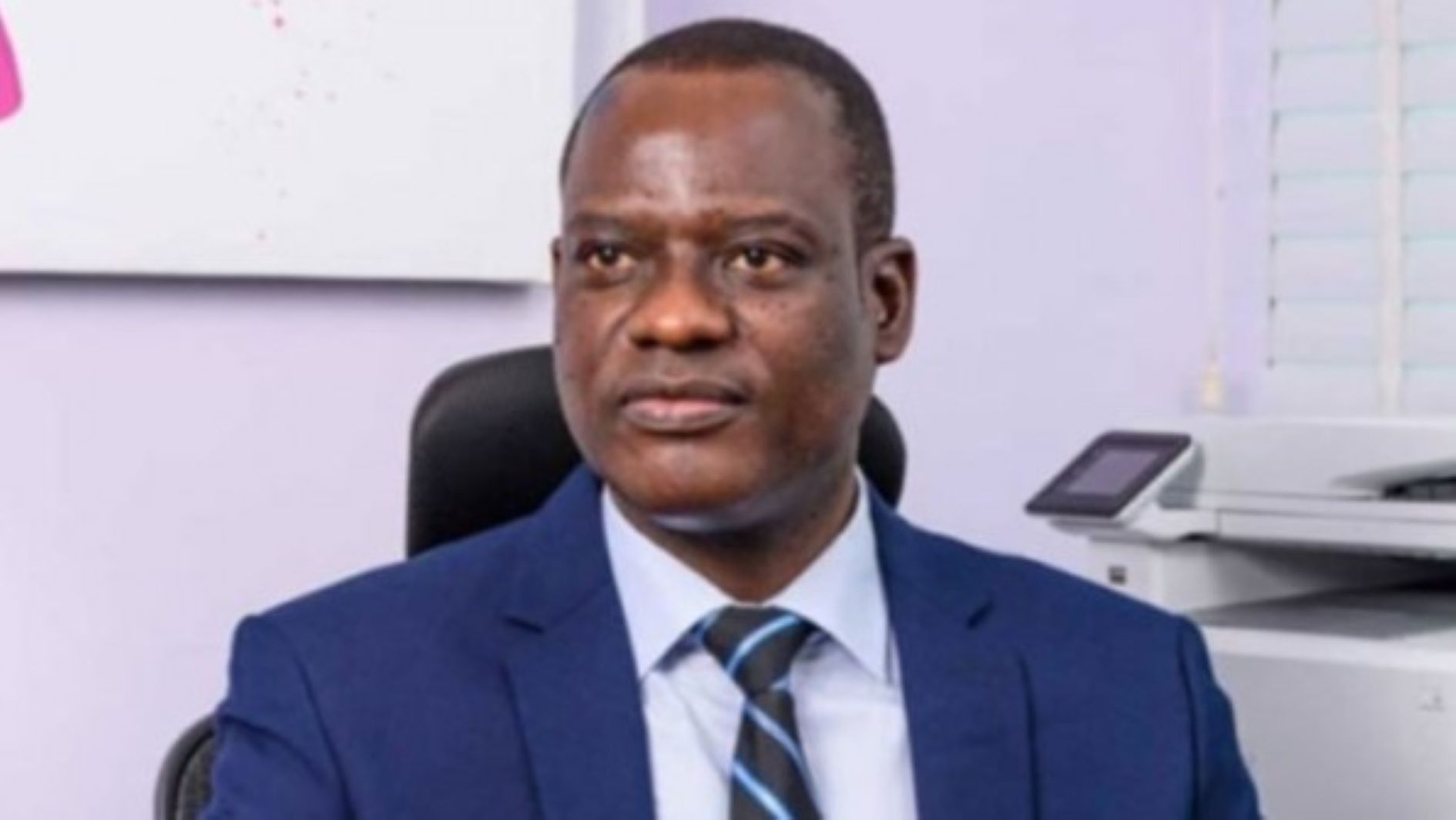
…Pays 12,000 local contractors
The Federal Government has paid ₦18 billion in outstanding benefits to 2,100 former workers of the defunct Nigeria Airways, with another 600 beneficiaries expected to receive their entitlements within the next few days.
The payment, covering beneficiaries in batches one to seven, brings the number of former workers whose claims are being settled to 2,700.
While announcing the payment, the government said the benefits were calculated on the basis of documented and verified obligations and did not include any adjustment for inflation over the more than two decades since the airline was liquidated.
The disclosure has raised questions about the real value of the payments to former workers who have waited for about 20 years to receive benefits that were due to them.
Explaining the position, the Minister of Finance and Coordinating Minister of the Economy said the government recognised that the value of money declines over time but maintained that the immediate responsibility was to settle the obligations established by official records.
According to him, any decision to adjust the benefits beyond the documented liabilities would have to be considered separately and was not part of the current settlement.

The minister said: “The very first and most important step is to meet the obligations as they are based on the records,” adding that the government could subsequently take a decision on possible adjustments.
The development means that while the former workers are finally receiving money owed to them, the nominal amount of their original entitlement has remained the basis for payment despite the substantial erosion of purchasing power over the intervening years.
The minister acknowledged the hardship associated with such delays, particularly for pensioners, noting that an amount that might have been sufficient when a worker retired could have lost much of its purchasing power over time.
He said the government was nevertheless determined to address inherited obligations rather than allow them to remain unresolved.
The former Nigeria Airways workers have been waiting since the liquidation of the national carrier for their outstanding insurance benefits, with some beneficiaries having died while their families continued to pursue their entitlements.
The government said the exercise was preceded by extensive verification, including biometric capture and validation of personal and bank details, to prevent fraudulent claims and ensure that public funds were paid only to genuine beneficiaries.
Of the 2,700 beneficiaries covered by the current exercise, 2,100 have already been paid, while the claims of 600 others in batches eight and nine are being finalised.
The government also said there was no discrimination between junior and senior former employees in determining beneficiaries.
For former workers who have died, the government said their benefits would be paid to their next of kin, beneficiaries or estates, subject to the necessary legal procedures.
The minister said the process for deceased beneficiaries was more complicated because of the legal requirements involved, but assured affected families that the government would provide support to enable them to obtain the benefits due to their deceased relatives.
The settlement is part of a wider government programme to clear inherited financial obligations, including pension arrears and verified debts owed to indigenous contractors.
On contractor debts, the minister said the government had deliberately changed its payment priority to favour smaller businesses, many of which depend on government payments to meet salaries, suppliers and other operating expenses.
He said contractors owed ₦50 million or less were initially prioritised, resulting in payments to more than 2,000 contractors.
The threshold was subsequently raised to ₦100 million, with another group of contractors covered.
The government, he added, had now paid more than 12,000 indigenous contractors, while larger contractors with much bigger outstanding claims could be engaged for negotiated settlements and, where appropriate, promissory notes.
The minister said the approach was designed to prevent smaller businesses from being crippled by delayed government payments while larger obligations were being addressed through separate arrangements.
He also warned contractors against paying commissions or offering inducements to secure payment of verified claims.
According to him, once a contractor has completed the work, and the project has been evaluated and validated, it should be the government’s responsibility to ensure payment without the contractor having to cultivate relationships with officials.
The minister said the administration was also seeking to prevent a recurrence of the accumulation of government liabilities by making future capital expenditure commitments more realistic and ensuring that funding sources were identified before commitments were made.
He said the objective was to restore confidence in government obligations so that contractors and other beneficiaries could regard government commitments as credible financial instruments.
For the former Nigeria Airways workers, however, the immediate issue remains the value of the benefits finally reaching them after decades of delay.
While the Federal Government describes the ₦18 billion settlement as fulfilment of legitimate obligations, the absence of an inflation adjustment means that the amount being paid today represents the value recognised in government records rather than the purchasing power those entitlements would have carried when they first became due.
The government apologised to the former workers for the prolonged delay and said the payments represented an effort to restore trust by honouring legitimate obligations.

