 Follow Us on Google News


 Follow Us on Google Discover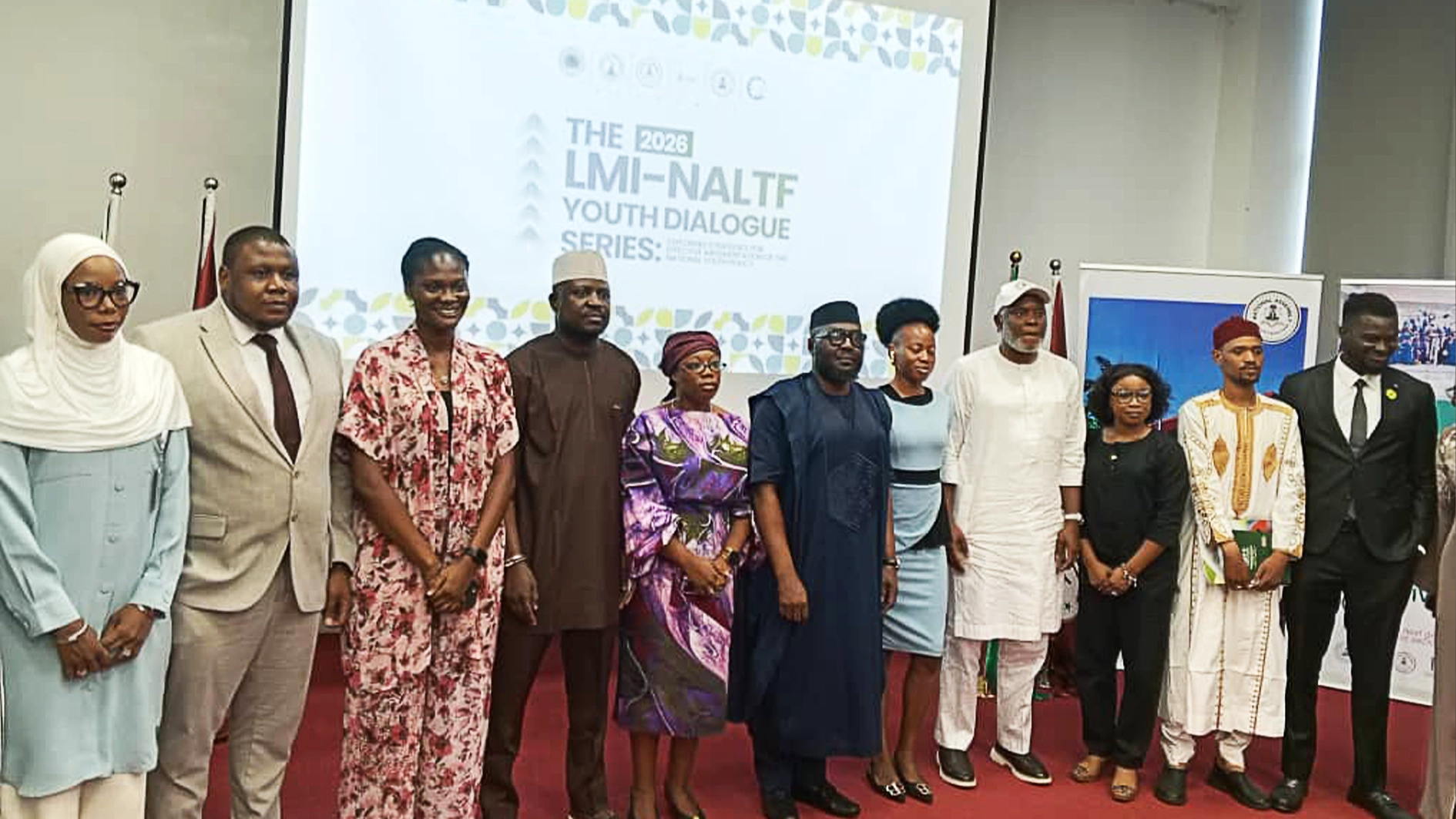
The Federal Government has reaffirmed its commitment to addressing youth unemployment, setting a target of three million job opportunities annually over the coming years as part of efforts to harness Nigeria’s large youthful population for national development.
The commitment was highlighted at the inauguration of the Youth Policy Dialogue Series themed “Exploring Strategies for Effective Implementation of the National Youth Policy”, organised by the Conference of Speakers and Presidents of African Legislatures (CoSPAL) Secretariat and the Legislative Mentorship Initiative (LMI).
The high-level dialogue, held on Wednesday at the National Assembly Complex in Abuja, brought together stakeholders from across the country to assess gaps in youth policy implementation and propose reforms.
Speaking at the event, the Executive Secretary and Chief Executive Officer of the National Assembly Library Trust Fund (NALTF), Rt. Hon. Henry Nwawuba, said the job creation target forms a central pillar of the national youth development agenda.
He explained that beyond job creation, government is working to expand opportunities in sectors such as agriculture, technology, security, and innovation-driven industries.
According to him, while a National Youth Policy already exists, many young Nigerians are either unaware of it or unable to benefit from its provisions due to weak implementation and limited sensitisation.

“There is in existence a National Youth Policy. The challenge is that many young people are not aware of it or are not taking advantage of its provisions,” he said, calling for stronger awareness campaigns and policy visibility.
Nwawuba also stressed that policy innovation and legislative engagement could unlock new employment pathways, particularly by leveraging agriculture, security, and emerging technologies as key drivers of youth employment.
He added that early and sustained awareness efforts are critical to improving uptake of government programmes that have historically suffered from low participation before gaining traction.
Also speaking, the Secretary-General of CoSPAL, Ambassador Dapo Oyewole, described Nigeria’s youthful population as a strategic asset that must be converted into a demographic dividend.
He said government must prioritise creating opportunities, expanding infrastructure, and improving access to resources that enable young people to contribute meaningfully to national development.
Oyewole commended the Ministry of Youth Development for its role in advancing youth-focused policies, noting that the current administration has shown commitment to inclusion.
“This is about ensuring that the youth policy becomes an actionable framework implemented jointly by government, civil society, and young people,” he said.
In his contribution, Speaker of the Nigerian Youth Parliament, Hon. Aliyu Idris Zakari, called for reforms to the National Youth Service Corps (NYSC) age limit, proposing an increase from 29 years to between 33 and 35 years to accommodate more graduates.
He also advocated a similar review of age limits for recruitment into government agencies, arguing that socio-economic challenges often delay educational progression for many young Nigerians.
Zakari further urged constitutional reforms to ensure that youth-focused political and administrative offices like ministers and commissioners at federal and state levels are occupied strictly by individuals within the 18 to 35 age bracket, insisting this would guarantee genuine youth representation in governance.
Stakeholders at the dialogue agreed that stronger collaboration among government institutions, civil society organisations, and young people is essential to translating youth policies into tangible economic opportunities nationwide.

