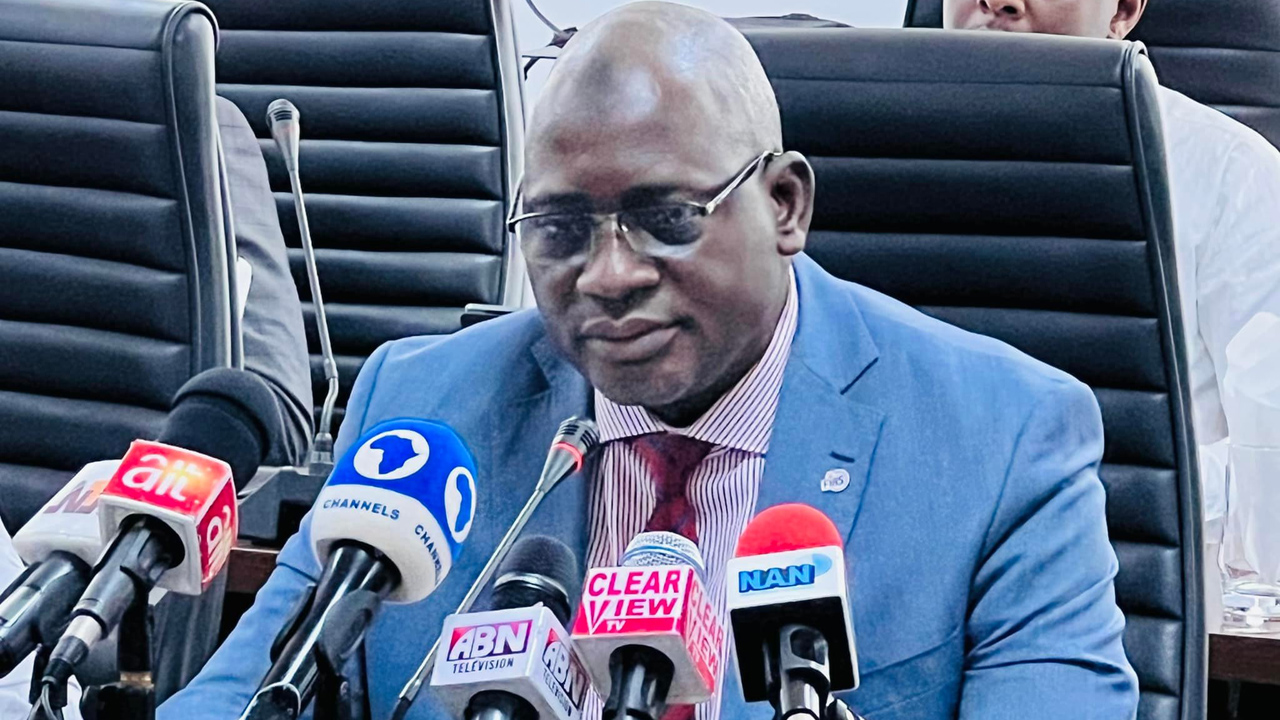
Federal Government has unveiled a $23.2 billion National Energy Compact (NEC) aimed at accelerating Nigeria’s energy transition and addressing the country’s persistent power supply challenges with a target of $15.5 billion in private sector investment to bridge the country’s energy deficit and promote cleaner, sustainable energy solutions.
The energy access programme, tagged NEC, will be led by the Minister of Power, Adebayo Adelabu. The initiative is a direct outcome of the recently concluded Mission 300 Africa Energy Summit held in Dar es Salaam, Tanzania.
Through the programme, the government aims to increase electricity access from four per cent to nine per cent yearly to bridge the energy gap and enhance access to clean cooking solutions from 22 per cent to 25 per cent, yearly.
The programme also aims to increase the share of renewable energy in the power generation mix from 22 per cent to 50 per cent and mobilise $15.5 billion in private investments to drive last-mile electrification, aligning with the UN Sustainable Development Goal 7 (SDG7) to ensure universal access to modern energy services.
The two-day summit, hosted by the Government of Tanzania, in collaboration with the African Union, African Development Bank Group, and World Bank Group, brought together African leaders, business executives, and development partners to advance the continent’s ambitious energy agenda. The event aimed to accelerate electricity access for 300 million Africans by 2030.
While unveiling the programme, the minister stated that it aims to expand electricity access, boost renewable energy adoption, and enhance clean cooking solutions for millions of Nigerians.
According to him, achieving Nigeria’s electrification targets demands substantial investment, with the government prioritising private sector participation to unlock additional resources..
“The Compact outlines a $23.2 billion investment target, with $15.5 billion expected from private investors. These funds will be directed toward expanding power generation, strengthening transmission and distribution networks, and integrating distributed renewable energy solutions,” he said.
Adelabu noted that while the roadmap for expansion is clear, challenges such as vandalism of power infrastructure posed a significant threat to Nigeria’s electrification efforts as transmission towers, pipelines and distribution equipment have been targeted, disrupting supply and deterring potential investors.
The minister emphasised that protecting power assets is crucial to ensuring uninterrupted electricity supply and sustaining progress, adding that government was intensifying efforts to curb vandalism through enhanced security, stricter penalties, and improved surveillance technologies.
Recognising that achieving universal energy access demands collective action, the government called on development partners, philanthropies, and the private sector to join the transformative journey.