 Follow Us on Google News


 Follow Us on Google Discover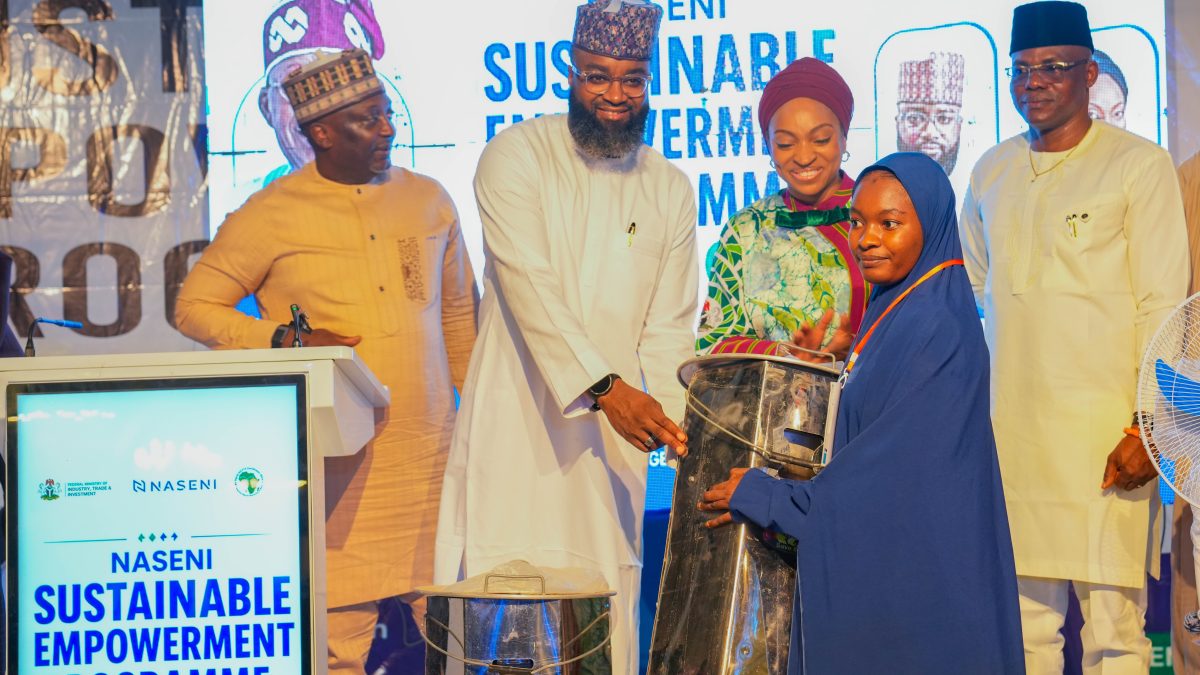
Despite the inherent challenges, millions of households in Nigeria are still depending on native firewood cooking method, thereby exposed to health and environmental risks.
The Executive Vice Chairman of National Agency for Science and Engineering Infrastructure (NASENI) Khalil Suleiman Halilu raised the concern, where he worried over the devastating implications especially to children and women of low income homes..
Halilu said despite technological advancements, many families still rely on traditional cooking methods that are not only time-consuming but also harmful due to smoke inhalation.
The NASENI boss spoke in Kano during the launch of the agency’s Sustainable Empowerment Programme, which targets improved access to clean and reliable energy solutions to 2000 households.
According to Kahlil, “Many families still depend on firewood. It takes time, effort and money, and it affects health, especially for women and children who are exposed to smoke every day,” he said.
He explained that the programme was designed to address these challenges by providing clean cookstoves and solar home systems to households, particularly in rural and semi-urban communities.

He asserted that the initiative is part of NASENI’s Zero Carbon (ZeCo) Project aimed at reducing carbon emissions, promoting cleaner energy and improving the quality of life for Nigerians.
“This is about making life easier, safer and more productive for every household. These are Nigerian-made solutions built for Nigerian realities,” he added.
The event, held in Kano, saw over 2,000 beneficiaries receive clean cookstoves, solar power systems and other tools to support their daily energy needs and small-scale businesses.
Speaking at the event, the Minister of Industry, Trade and Investment, Jumoke Oduwole, described the initiative as a practical demonstration of the Federal Government’s commitment to translating economic policies into tangible benefits for citizens.
She said the programme aligns with the Renewed Hope Agenda of Bola Ahmed Tinubu, particularly in the areas of industrialisation, job creation and inclusive economic growth.
Oduwole noted that improving access to clean and decentralised energy would not only enhance productivity but also support small businesses and reduce environmental degradation.
“Clean energy solutions are not just about environmental progress; they are critical economic infrastructure that can improve livelihoods and drive local enterprise,” she said.
She further emphasised that the initiative supports Nigeria’s participation in the African Continental Free Trade Area by strengthening local production capacity and promoting Nigerian-made goods.
“Kano’s selection is strategic given its historical role as a commercial hub. Empowering households here contributes to strengthening Nigeria’s broader productive and export ecosystem,” she added.
Halilu also stressed that the programme would be expanded nationwide, noting that no community would be left behind in the push for cleaner and more sustainable energy solutions.
He urged beneficiaries to make proper use of the items distributed, describing them as tools for improving livelihoods and boosting economic activities.
“This programme is not just empowerment; it is about dignity, improving lives and giving people the means to do more, earn more and live better,” he said.

