• GenCos output affected, says Ogaji
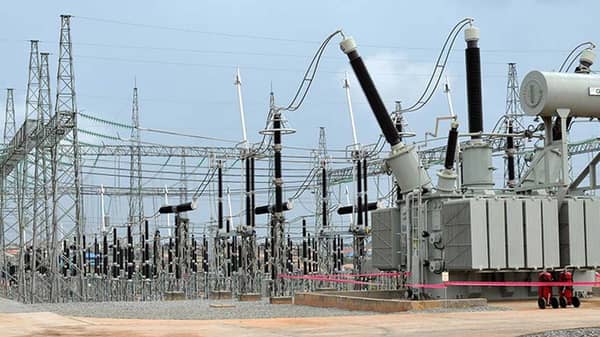
Electricity supply across Nigeria has suffered a noticeable decline in recent days, as gas supply constraints to power Generation Companies (GenCos) and shrinking load profiles at Distribution Companies (DisCos) disrupt the stability of the national grid.
Grid operators and electricity distributors, in separate disclosures, confirmed that upstream gas shortages and downstream demand imbalances combined to weaken power supply nationwide
In an update via its X handle, the Nigerian National Grid attributed the situation to sustained gas constraints affecting generation output and a prolonged drop in DisCo load uptake across the country.
“GenCos are experiencing gas supply constraints affecting their optimal output and general operational frequency. There has been a significant drop in DisCo Load profile across the country for a while now. You may have been experiencing a drop in your normal supply pattern,” it stated
The development highlights the country’s persistent vulnerability to gas supply disruptions in its power sector, despite its vast gas reserves and status as a gas-rich economy. Gas-fired plants account for the bulk of Nigeria’s installed generation capacity, making consistent gas availability critical to grid stability.
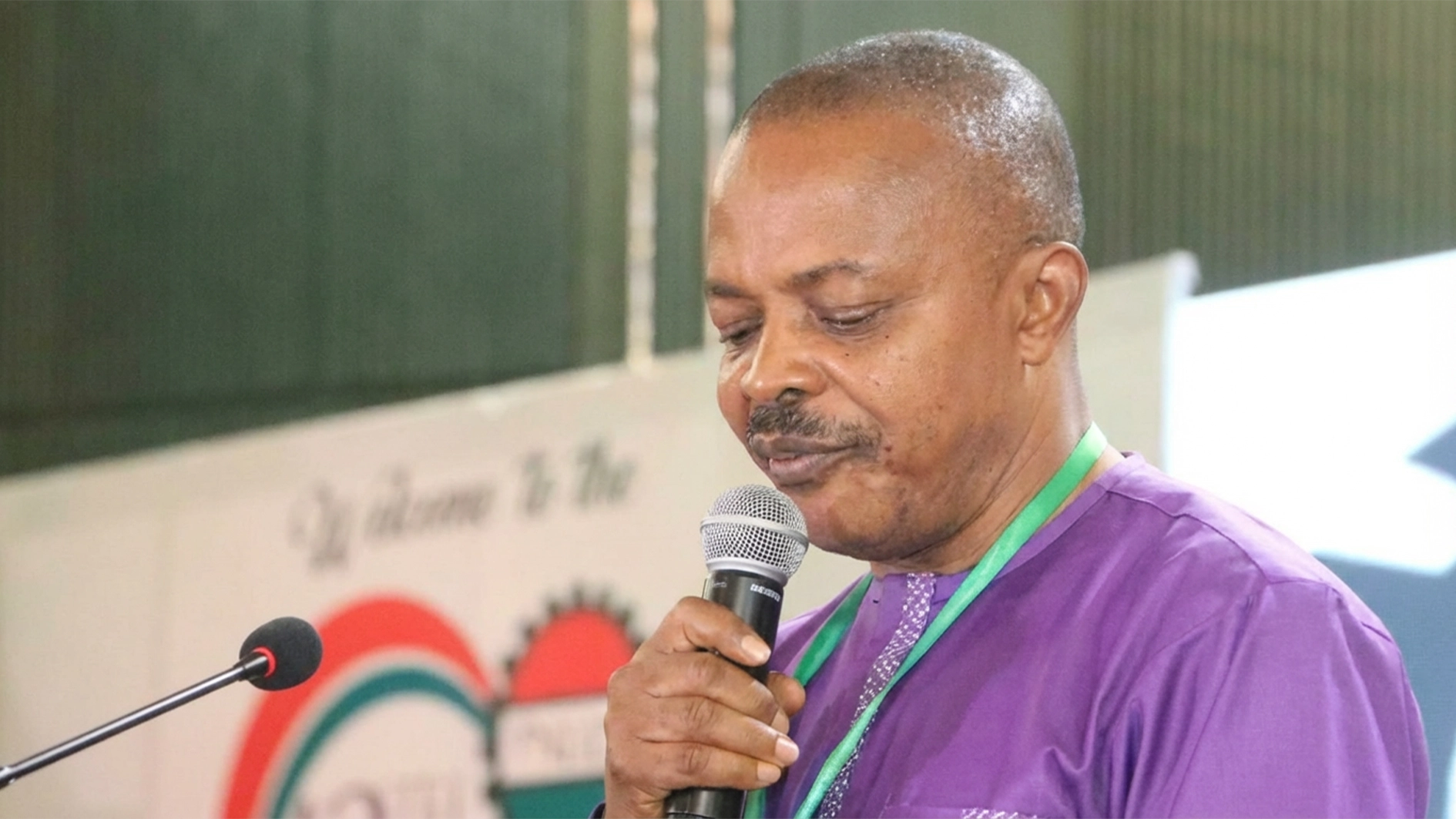
Reacting to the electricity supply situation across the country, the Executive Secretary of the Association of Power Generation Companies (APGC), Dr Joy Ogaji, while speaking with The Guardian, emphasised that the inability of generation companies to operate optimally stemmed from massive outstanding debts owed to them despite the government’s assurances and ongoing efforts to settle the liabilities.
“Is it possible to generate at an optimum when you’re owing almost N6 trillion? The first challenge is money. The second challenge is money. The third money, Fourth, money. Get the GenCos money and you’ll have more power,” she said.
Ogaji’s remarks reflect deepening concerns within the power sector over liquidity pressures that have left GenCos struggling financially, even as federal authorities roll out interventions aimed at debt clearance.
Late November and early December 2025, the Federal Government announced and began implementing a government-backed bond to tackle the GenCos debt overhang. Under the programme, the government launched a first tranche of N590 billion in bond issuances as part of a broader N4 trillion plan to settle verified debts owed to generation firms and gas suppliers, a move officials said was aimed at easing cash flow constraints and stabilising operations.
The bond instruments included cash and non-cash allocations earmarked for settling outstanding liabilities, backed by the national budget and supported by financial markets participation.
Earlier in the year, the Federal Government had also finalised an implementation framework for the N4 trillion Presidential Power Sector Debt Reduction Plan, approved by the Federal Executive Council (FEC) and intended to address long-standing arrears owed to both GenCos and gas suppliers.
In addition, authorities later established a committee tasked with clearing GenCos’ outstanding debts and implementing sustainable payment mechanisms to prevent future accumulation and support liquidity across the electricity value chain.
Despite these interventions and public commitments, industry representatives, including GenCo leaders, continue to press for clearer and more definitive payment frameworks. Reports indicate that proposals from government officials, at certain stages of negotiation, included arrangements requiring GenCos to accept significant write-downs of debts as settlement, a condition that sector players rejected.
The impact of the constraints has been particularly felt across the South-East, where the Enugu Electricity Distribution Company (EEDC) confirmed in a notice signed by the Group Head, Corporate Communications, Emeka Ezeh, that its customers were experiencing reduced electricity supply due to system-wide challenges beyond the control of the DisCo.