 Follow Us on Google News
 Follow Us on Google Discover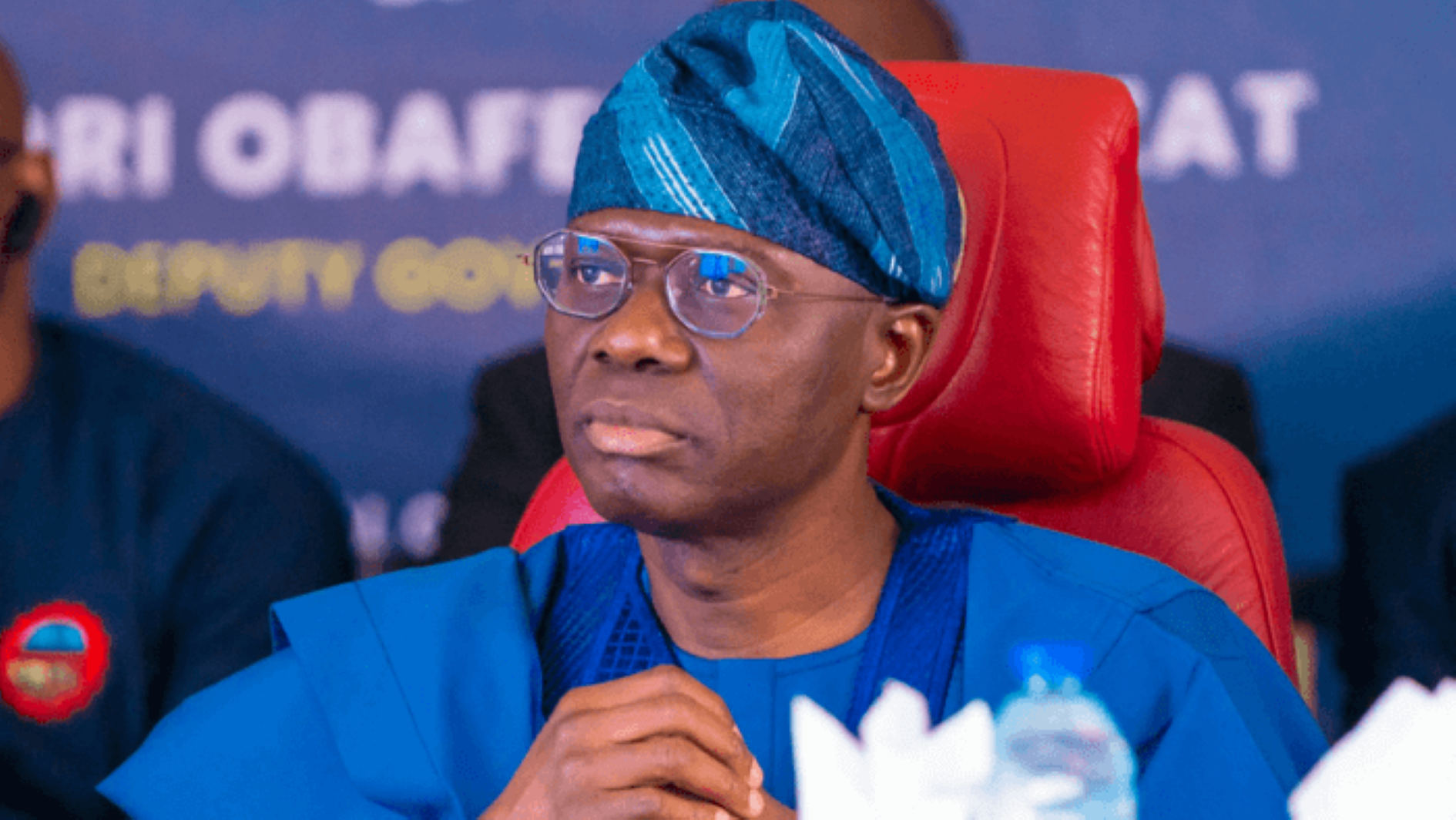
GITEX Nigeria 2026 has officially opened, marking a pivotal moment in the nation’s drive toward a technology-powered future and the country’s target of a $1 trillion economy by 2030.
With global innovators, policymakers, and industry leaders converging in both Abuja Lagos, from yesterday to September 3, the event sets the stage for accelerating Nigeria’s economic transformation through digital innovation, entrepreneurship, and strategic partnerships.
Positioned as Africa’s largest gathering of tech visionaries, GITEX Nigeria underscores the country’s ambition to harness emerging technologies as catalysts for inclusive growth and sustainable development.
The event is held under the patronage of President Bola Ahmed Tinubu, and supported by the Federal Ministry of Communications, Innovation and Digital Economy in collaboration with the National Information Technology Development Agency (NITDA), the event is endorsed by the Lagos State Government and organised by KAOUN International, the global organiser of GITEX events.
During the event inauguration, Director General, NITDA, Kashifu Inuwa Abdullahi, hailed Nigeria’s efforts to build the foundations for digital sovereignty and technology-led growth.
He stated: “While national initiatives are strengthening Nigeria’s digital foundations, Lagos is translating this momentum into investable opportunities across compute infrastructure and digital public services. The state’s expanding connectivity, regulatory reforms, and public-sector digitalisation are creating new markets for technology providers and international capital.

Governor of Lagos State, Babajide Sanwo-Olu, said: “Most international capital looks at Nigeria and sees consumer fintech. That was the last decade’s trade. Here is what I believe is being under-priced today. First, compute. Lagos is one of the most cable-landed cities on the African continent. We have world-class subsea capacity arriving on our shores – and comparatively little of the compute that should sit behind it. Africa’s AI workloads are currently being processed in Europe. That is a latency problem, a cost problem, a data sovereignty problem, and therefore an investment opportunity. With our electricity law, our fibre programme and our data centre campuses, Lagos is the natural place to fix it.”

