 Follow Us on Google News


 Follow Us on Google Discover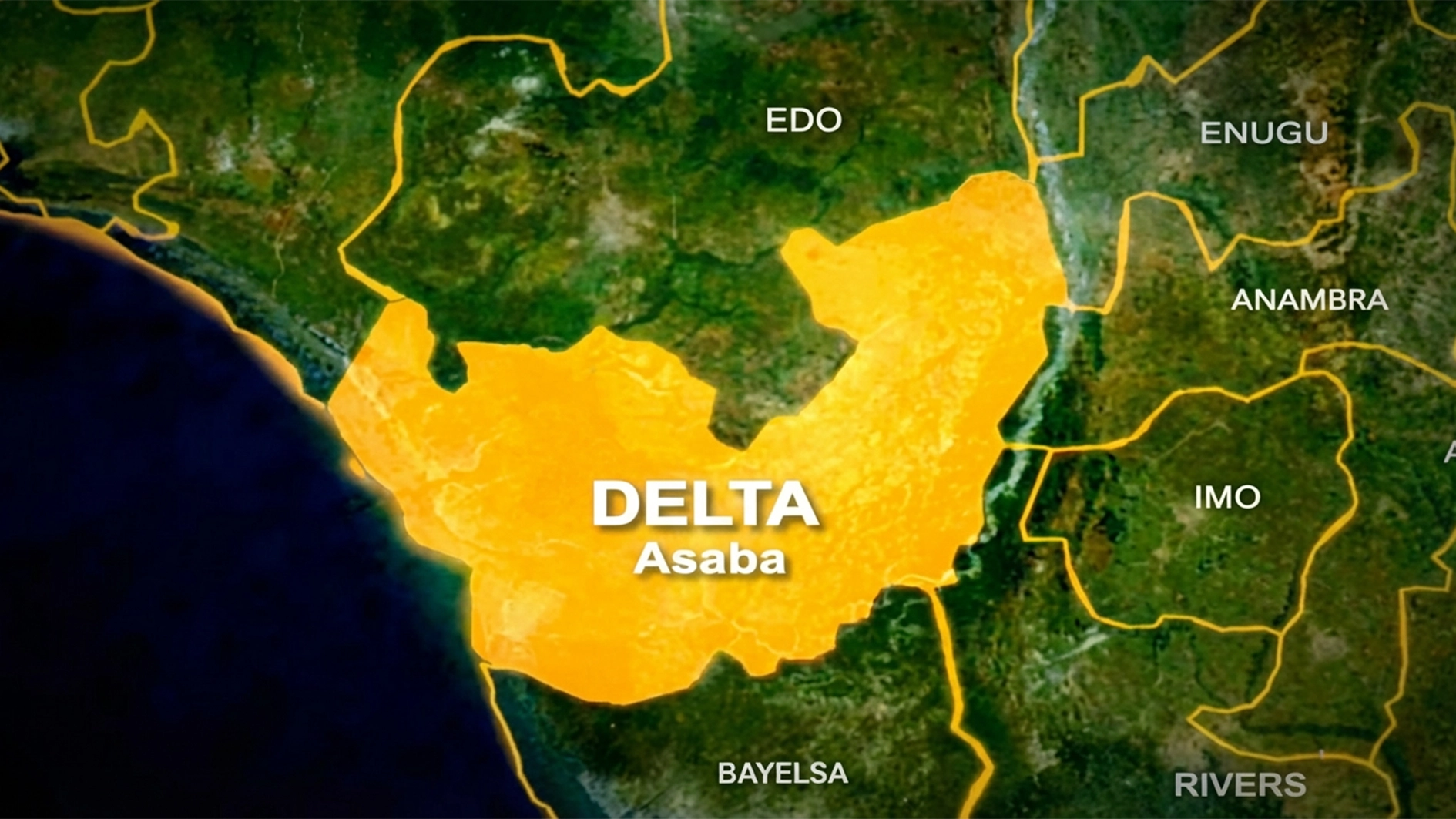
A civil society organisation, Global Peace Development (GPD), in collaboration with ActionAid Nigeria, yesterday lamented the dire conditions in several public institutions across several communities in Delta State, despite the “huge resources abound in the State”.
The concern was raised by the Executive Director of GPD Nigeria, Mr. Ebruke Esike, during a stakeholders’ roundtable and inception meeting of the Local Rights Programme (LRP) held in Asaba, the Delta State capital.
The communities affected include but not limited to Oter-Iyede, Erawha, Uro-Irri, Idheze and Ukpude—from Isoko North and South Local Government Areas.
While advocating for communities to have access to basic infrastructure, Esike cited Ukpude Primary School, which reportedly operates with only a headmistress, one teacher and a non-academic staff member.
Similarly, he highlighted the poor state of healthcare delivery at Idheze Primary Health Centre, which he said is staffed by just one nurse with no security personnel.
In Erawha community, he noted that although there are five well-constructed classrooms, only four desks are available for pupils, while Uro-Irri Primary School faces comparable challenges.

“These deficiencies undermine the quality of education and healthcare delivery, creating an unconducive environment for children and residents,” he added.
Esike insisted that addressing such gaps remains the primary responsibility of government, but the citizens need to be bold enough to challenge those in government to do the needful.
The Executive Director who disclosed that the programme was designed to promote and enhance the participation of women and girls in decision-making processes at both community and state levels, noted that poor infrastructure and weak government presence have continued to hinder growth and basic service delivery in many communities.
He therefore urged citizens to take a more active role in governance by holding elected officials accountable, stressing that governance should be driven by a “demand and supply” dynamic.
“Citizens must begin to demand services from government because it is our commonwealth. Government is not doing anyone a favour by providing infrastructure; it is their responsibility,” he said.
Also speaking, the Advisor on Partnership and the Local Rights Programme at ActionAid Nigeria, Hajar Opakwa Adamu, described the initiative as a collaborative effort aimed at amplifying the voices of marginalized rural populations.
She explained that the programme seeks to create an enabling environment where communities can articulate their challenges and engage relevant stakeholders to bridge development gaps.
According to her, achieving social justice, equity, and poverty eradication requires strong partnerships between communities, civil society, and government institutions.
Leaders from the participating communities echoed concerns about the disconnect between government and grassroots populations.
They called for improved engagement, urging authorities to establish direct communication channels with community leaders.

