 Follow Us on Google News
 Follow Us on Google Discover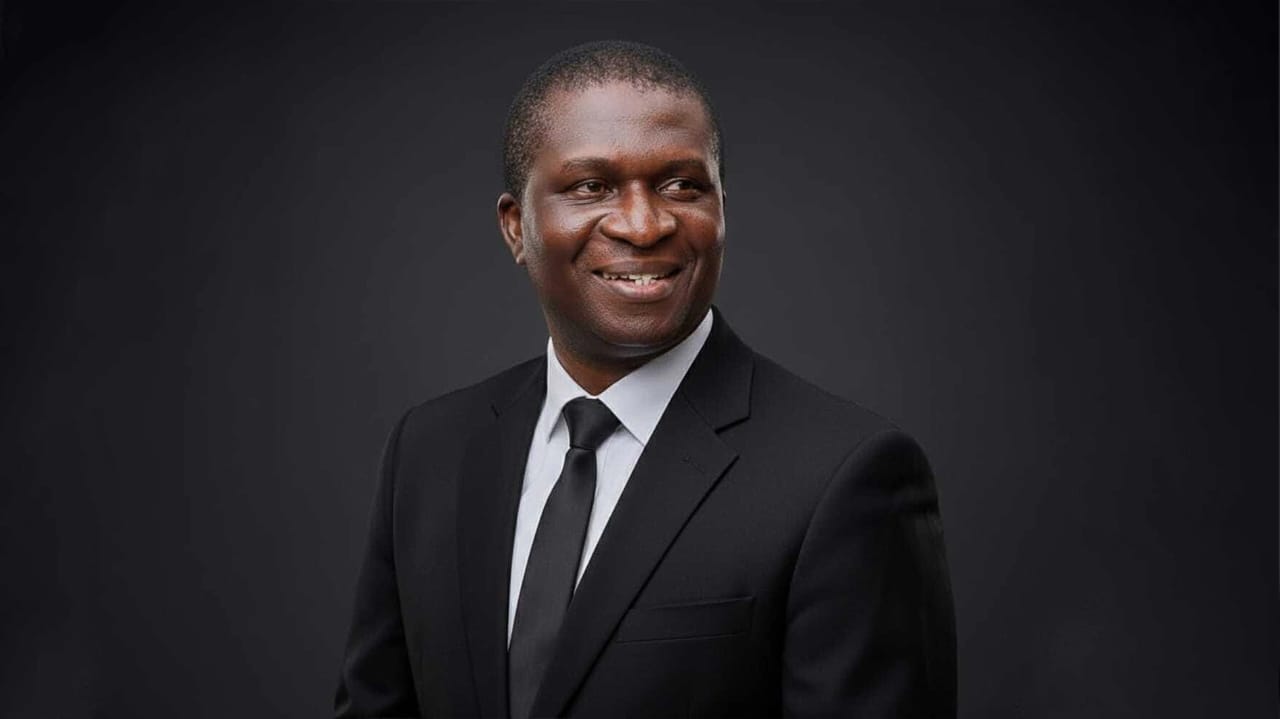
….Targets 230,000 jobs across 23 LG
The GreenBanker Africa Initiative has proposed the development of 230 green infrastructure investment zones across the 23 local government areas of Rivers State, with a long-term ambition of unlocking a $230 billion net-zero economy and creating 230,000 employment opportunities.
The initiative, contained in a statement to mark the 2026 World Habitat Day, seeks to link adequate housing with basic services, clean energy, sustainable mobility, environmental conservation, green enterprise and skills development.
World Habitat Day is being observed October 5, under the theme, “Adequate Housing for All.” The global observance is taking place in Muscat, Oman, from October 5 to 8, marking the beginning of Urban October. The United Nations said the theme highlights the need for inclusive housing policies, secure land tenure and well-serviced, climate-resilient and environmentally sustainable neighbourhoods.
GreenBanker said its proposed 230 development zones would provide a framework for coordinating investment in housing, infrastructure and productive economic activities according to the needs and circumstances of communities.
The 230 zones represent an average planning benchmark of 10 zones per local government area, while the 230,000 employment target represents approximately 1,000 jobs per proposed zone.
The organisation, however, stressed that the figures were proposed ambitions and not guaranteed outcomes, saying actual project sizes, employment figures, delivery timelines and housing targets would be determined through feasibility studies and phased implementation.
According to the initiative, the proposed $230 billion Rivers net-zero economy ambition would require a credible pipeline of investible projects, transparent governance, appropriate financing mechanisms and measurable social and environmental outcomes.
Its Sustainable Finance Advisor, Victor Wilkinson Agih, said the initiative was seeking to connect private and public capital with projects capable of improving living conditions while creating sustainable economic opportunities.
Agih said: “The $230 billion Rivers net-zero economy ambition needs a credible pipeline of projects that investors can assess and communities can benefit from.
“The proposed 230 development zones offer a framework for connecting capital with affordable housing, clean infrastructure and productive enterprise. Each project must show how it will be financed, maintained and measured.”
The initiative identified 13 interconnected investment areas for the proposed programme, including ecomobility; ecoliteracy and advocacy; green building infrastructure; clean energy; clean cooking; ecosystem conservation; climate-smart agriculture; green technology hubs; circular economy; ecotourism; green impact investment; green jobs; and green smart data infrastructure.
GreenBanker said investments in green building would promote affordable and climate-resilient homes designed for local conditions, incorporating natural ventilation, efficient energy and water systems, durable materials and accessible layouts.
It said such projects would also be integrated with drainage, sanitation, waste management and safe public spaces, while training would be provided for local artisans, builders and housing enterprises.
On energy, the organisation proposed a combination of renewable energy, distributed generation, storage and energy-efficiency measures to improve electricity supply to homes, schools, health facilities, markets and productive businesses.
It also proposed cleaner and safer cooking solutions supported by appropriate technology, financing, reliable supply chains and user education, with women-led distribution and servicing businesses identified as potential beneficiaries.
On transportation, GreenBanker said cleaner and more affordable mobility would be developed to connect homes with workplaces, schools, healthcare facilities and markets.
The proposed interventions include efficient public transport, electric mobility where viable, safe walking and cycling routes, charging infrastructure and appropriate water transport connections.
The initiative further proposed the protection and restoration of mangroves, wetlands, waterways, forests and other natural assets, arguing that ecosystem conservation should be integrated into settlement planning and community resilience.
Climate-smart agriculture would also form part of the programme, with proposed investments in farmer training, agroforestry, improved water management, renewable-powered processing and storage and stronger links between rural producers and urban markets.
GreenBanker said green technology hubs would provide spaces for young people, artisans and entrepreneurs to acquire skills and develop solutions in renewable energy, sustainable construction, recycling, agriculture and environmental monitoring.
The circular economy component would focus on waste separation, collection, repair, reuse, recycling and composting, while ecotourism investments would seek to harness Rivers State’s natural landscapes, waterways and cultural heritage without compromising environmental sustainability or community rights.
Founder and Global Programme Lead of The SMILE4ACE Project, Cynthia Ogbiti, said climate action would only become meaningful when people had the knowledge, skills, information and opportunity to participate.
She said the Rivers agenda should therefore connect infrastructure investment with education, training and public participation, particularly for young people and communities.
Similarly, Coordinator of RESET2Green Rivers, Henry Medekong, said green development must translate into better living conditions and practical economic opportunities for Rivers residents.
He said investment in affordable housing, clean energy, ecosystem restoration and green jobs should respond to community priorities and strengthen local livelihoods.
GreenBanker said the proposed programme was expected to deliver six broad benefits, including improved housing and neighbourhoods, more reliable household services, stronger livelihoods, greater participation by women and young people, healthier ecosystems and more resilient communities.
It said investment-ready projects would be developed through feasibility studies, environmental and social assessments, community consultations and clearly defined financing and implementation arrangements.
The organisation also called for public reporting of capital mobilised, infrastructure delivered, household access to services, affordability, employment and environmental outcomes.
It urged public institutions, community organisations, housing providers, investors, development partners, researchers and local enterprises to participate in developing the proposed programme.
GreenBanker said its approach aligned with Sustainable Development Goal 11 on sustainable cities and communities by placing adequate housing alongside climate resilience, decent work and inclusive local development.
The United Nations similarly identifies adequate housing as closely linked to sustainable development, climate resilience and inclusive communities, with World Habitat Day 2026 calling for practical solutions that provide safe, affordable and adequate housing alongside basic services.
The initiative said its ultimate objective was to ensure that investment in a greener Rivers State translated into better homes, better-serviced communities, sustainable livelihoods and measurable economic opportunities for residents.

