 Follow Us on Google News
 Follow Us on Google Discover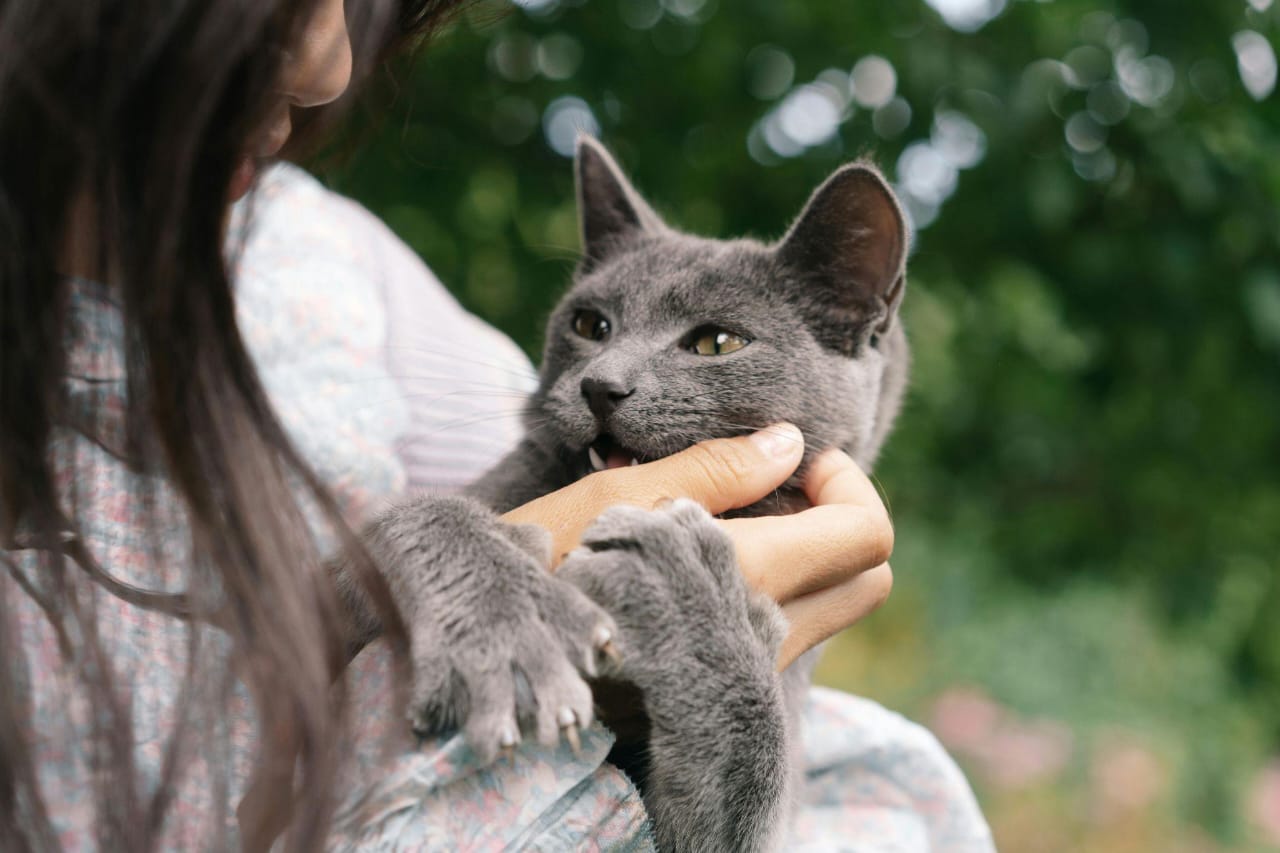
What if the key to healing wasn’t found in a pill or a therapist’s office, but in the gentle nudge of a horse, the calm nature of hugging a cow, or the soft brush of feathers against your hand? In a world that often feels overwhelming, animals offer something simple and profound: presence without judgment, connection without conditions. More than ever, mental health professionals are turning to animal-assisted therapy to help people rediscover calm, trust, and resilience. Animal-assisted therapy (AAT) has emerged as a compassionate and practical approach to healing. By fostering connections between humans and animals, AAT offers therapeutic benefits that extend beyond traditional treatments, addressing conditions such as anxiety, depression, PTSD, and more.
How Does Animal-Assisted Therapy Work?
Animal-assisted therapy involves guided interactions between individuals and trained animals, facilitated by professionals to achieve specific therapeutic outcomes. Common therapy animals include dogs, horses, cats, and even cows, each selected for their gentle demeanor and ability to connect with humans. These sessions can occur in various settings, from hospitals and schools to rehabilitation centers and sanctuaries.
How Animal-Assisted Therapy Supports Mental Health
From lowering stress to lifting spirits, the benefits of AAT are both emotional and physiological. Here’s how animals help us heal:
- Reduces stress and anxiety
Petting an animal lowers cortisol (the stress hormone) and slows heart rate, helping reduce anxiety and create a sense of calm. - Encourages social connection
Animals make social interaction feel safer and easier, especially for those with depression or social anxiety. - Lifts your mood
Time with animals boosts serotonin and dopamine levels, natural chemicals that improve mood and support mental clarity. - Offers unconditional support
Animals provide judgment-free companionship that can ease feelings of isolation and emotional overwhelm.
The Science Behind the Bond
Animal-assisted therapy is not merely about the comfort of a friendly animal; it’s a practice grounded in scientific research that demonstrates tangible benefits to mental and physical health. Studies have shown that interactions with therapy animals can lead to significant physiological and psychological improvements.

Neurochemical Benefits
Engaging with animals has been found to trigger the release of several mood-enhancing hormones:
- Oxytocin: Often referred to as the “love hormone,” oxytocin promotes feelings of trust and bonding.
- Serotonin and Dopamine: These neurotransmitters are associated with mood regulation and feelings of pleasure.
- Prolactin: This hormone contributes to a sense of calm and nurturing.
The act of petting an animal can initiate these hormonal responses, leading to reduced stress and enhanced emotional well-being.
Physiological Effects
Beyond neurochemical changes, AAT has been linked to various physical health benefits:
- Reduced blood pressure and heart rate: Interacting with animals can lead to measurable decreases in blood pressure and heart rate, indicating a relaxation response.
- Improved cardiovascular health: Regular engagement with therapy animals may improve heart health.
- Enhanced respiratory Function: Patients often experience slower, more regular breathing patterns during AAT sessions.
These physiological changes not only promote relaxation but also support overall health.
Cognitive and Emotional Support
AAT has shown promise in supporting cognitive functions, particularly in patients with conditions like Alzheimer’s disease. Interactions with animals can stimulate memory recall and assist in sequencing events, providing cognitive engagement that might otherwise be challenging. Emotionally, therapy animals offer non-judgmental companionship, which can be especially beneficial for individuals dealing with loneliness, depression, or anxiety. The presence of an animal can act as a catalyst in therapy, helping to break down barriers and encourage openness.
Photo Credit: Mikhail Nilov | Pexels
Real-World Applications and Success Stories
Educational institutions have begun integrating AAT to support student mental health. For instance, the University of Stirling introduced miniature horse therapy to help students cope with exam-related stress, resulting in improved emotional regulation and confidence. Similarly, other universities have implemented therapy dog programs, allowing students to de-stress and enhance their overall well-being.
In therapeutic settings, AAT has shown promise in treating various mental health conditions. A comprehensive review highlighted that interactions with therapy animals led to significant improvements in individuals with depression, anxiety, PTSD, and schizophrenia. Benefits included reduced symptoms, enhanced social functioning, and improved quality of life.
The Gentle Barn: A Sanctuary for Healing
The Gentle Barn, a national nonprofit organization, exemplifies the transformative power of AAT. Founded in 1999, it provides sanctuary to animals rescued from severe abuse and neglect. Beyond animal rescue, The Gentle Barn offers programs where individuals, including underserved youth and those with special needs, engage with animals to foster empathy, trust, and healing. Through activities like grooming and feeding, participants experience emotional growth and resilience.
The organization’s signature programs focus on creating powerful, therapeutic interactions between humans and animals. Visitors and participants—often underserved youth, individuals with special needs, trauma survivors, or those in recovery—are invited into a space of safety and non-judgment. There, they engage with rescued animals through hands-on experiences like grooming, feeding, walking, and simply being present.
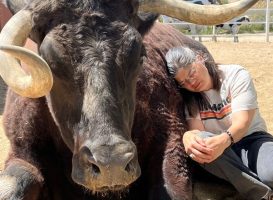
One of The Gentle Barn’s most well-known initiatives is Cow Hug Therapy®, where individuals sit quietly with a rescued cow, wrap their arms around its large, steady body, and experience deep calm and connection. Many of these cows have survived years of trauma, yet offer unconditional presence. The effect on people is profound: lowering anxiety, creating space for emotional processing, and fostering trust where trust was lost.
Other programs include the Peace Enhancement program for underserved youth, barnyard therapy for kids and adults with physical, developmental, or cognitive differences, and a gentle healing program for those experiencing PTSD.
Through these programs, The Gentle Barn doesn’t just promote healing—it models it. Every animal’s story becomes a teaching moment about resilience, forgiveness, and second chances.
Broader Impacts and Future Directions
The benefits of AAT extend to various populations, including older adults, veterans, and individuals with chronic illnesses. Studies have shown that therapy animals can alleviate loneliness, reduce symptoms of depression, and even improve cognitive function in dementia patients. As awareness of AAT grows, more institutions are incorporating animal interactions into their therapeutic programs, recognizing its profound impact on mental health.
Animal-assisted therapy offers a unique and effective approach to mental health treatment, harnessing the innate bond between humans and animals to promote healing and well-being. As research continues to validate its benefits, AAT stands as a testament to the profound connections that can lead to emotional recovery and resilience.

