 Follow Us on Google News


 Follow Us on Google Discover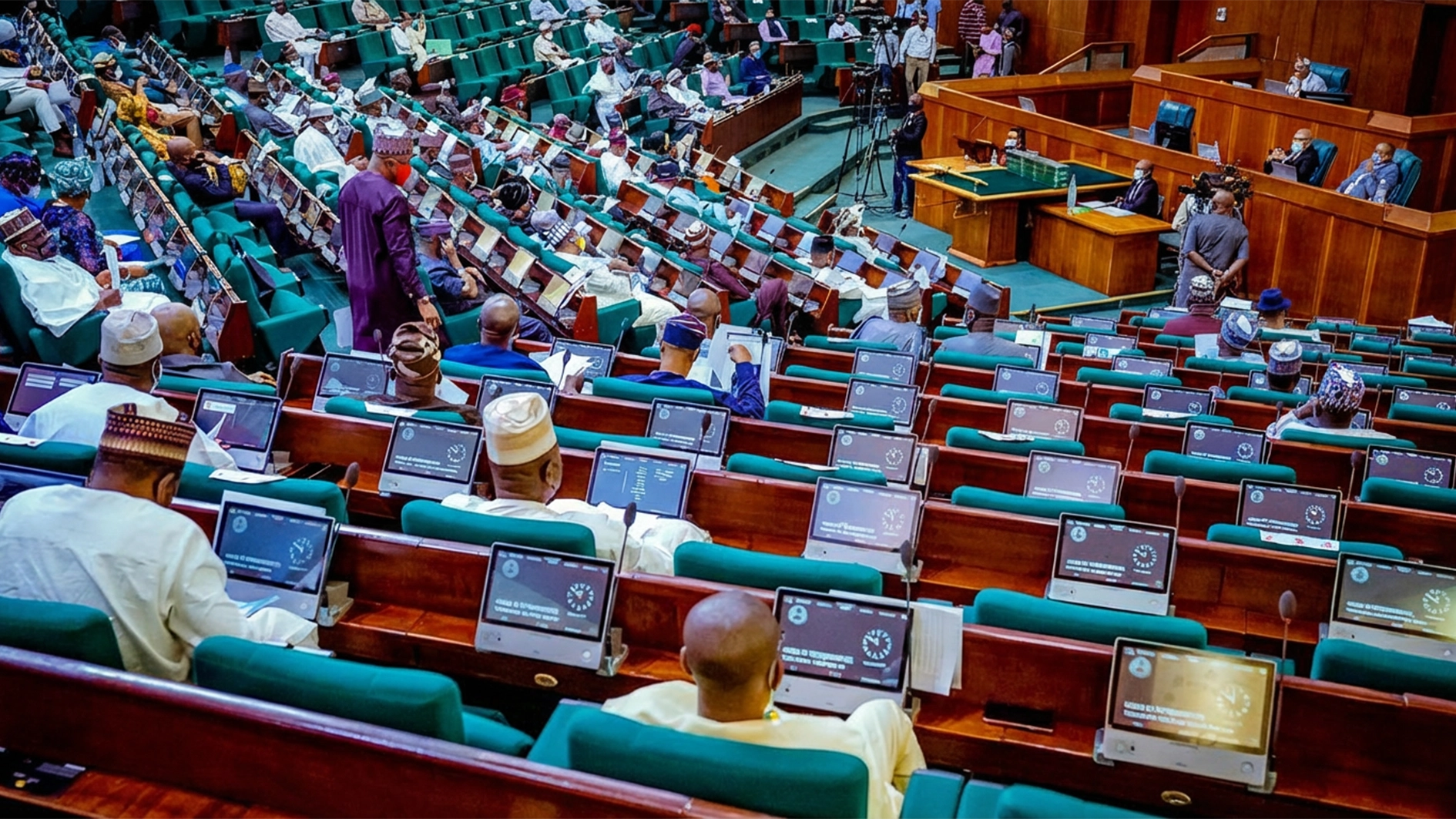
•Defends N50m party registration fee in new Electoral Act
The HOUSE of Representatives will begin voting on proposed amendments to the 1999 Constitution within the next three weeks.
This is even as the lower legislative chamber has justified the N50 million administrative fee for new political party registration under Section 75(6) of the newly signed Electoral Act.
Speaking in Abuja yesterday, when prominent civil society organisations, including Yiaga Africa, Kukah Centre, among others, addressed the controversial Electoral Act, the Spokesperson of the House of Representatives, Akin Rotimi, said the Independent Candidacy Bill, Reserved Seats for Women Bill and other constitution alteration bills would be voted on in the next two to three weeks.
On concerns that the critical bills were coming too close to the 2027 General Elections, the federal lawmaker hinted that some of the bills could have ‘sunrise and sunset clauses’.
“In every bill is always a transition provision. In some cases, sunset clauses, in some cases sunrise clauses, which at that time will be debated based on the current situation with the electoral timetable,” he said.
The spokesperson also defended the introduction of the N50 million administrative charge for the registration of new political parties under the Electoral Act 2026, explaining that the measure was intended to curb the unchecked proliferation of political parties in the country.
According to him, the high fee was designed to ensure that only serious and well-structured political associations with demonstrable national presence and organisational capacity seek registration.
MEANWHILE, in a bid to ensure the well-being of the citizenry, the House of Representatives is probing into the environmental pollution caused by the illegal disposal of used batteries across the country.
The move initiated by the House Committee on Environment, chaired by Mike Etaba, is part of the lawmakers’ oversight role to ensure compliance with environmental laws and address growing concerns over hazardous waste management, improper disposal, unlawful auctioning, and indiscriminate dumping of used batteries.
The menace has been identified as a serious threat to soil, water bodies, air quality, and public health, particularly in communities where informal recycling and unsafe handling practices are common.
The investigative panel of the committee, chaired by Terseer Ugbo, is tasked with assessing compliance by both public and private sector organisations with existing regulations governing the handling, storage, transportation, and disposal of used batteries.

