 Follow Us on Google News
 Follow Us on Google Discover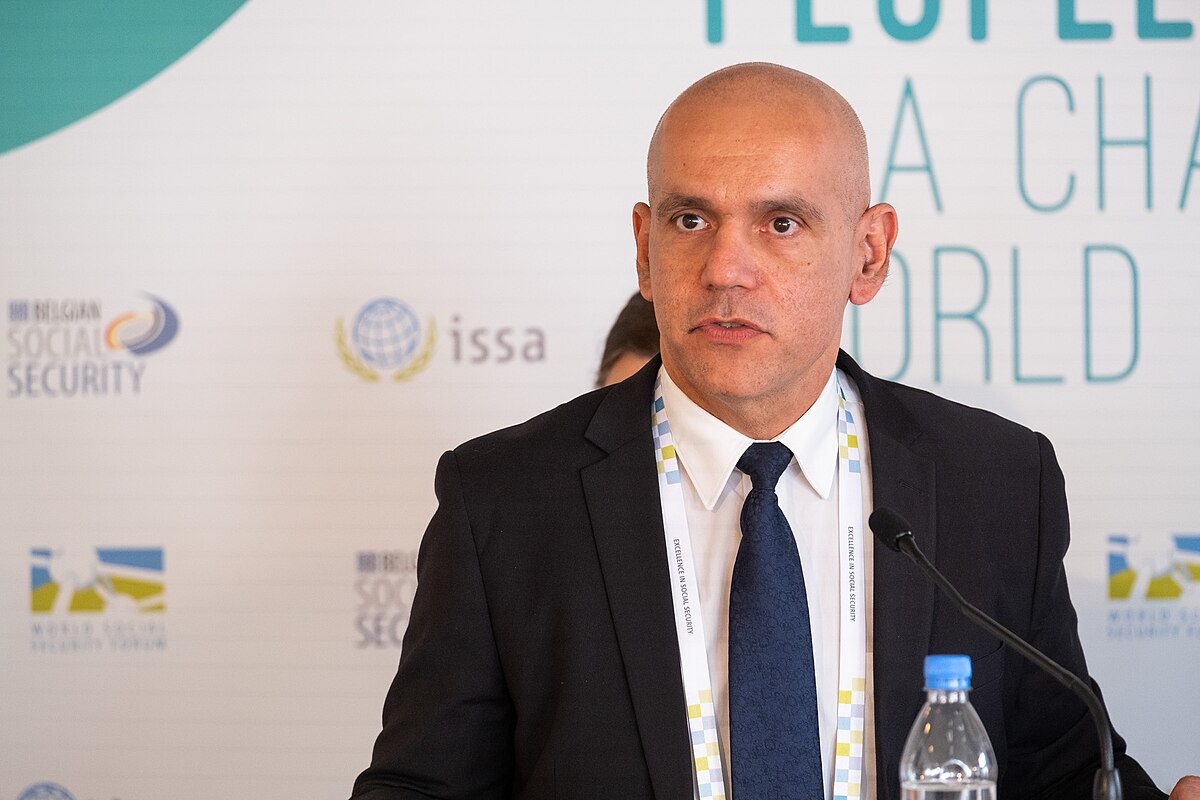
Countries are extending protection to the ‘missing middle’, self-employed, care workers, new forms of work including platform work, and migrant populations, through legal reforms and creative administrative solutions to adapt to rapidly changing labour markets, a new report by the International Social Security Association (ISSA) has said.
The flagship report, ‘Social security developments and trends – Global 2025’, unveiled at the opening of the World Social Security Forum 2025 in Kuala Lumpur, Malaysia, comes at a time when social security institutions are navigating a complex and rapidly evolving landscape marked by demographic shifts, economic uncertainty, technological transformation, and growing risks due to large-scale shocks.
The report highlights how social security systems are responding to resilience, innovation and a renewed commitment to inclusion and sustainability.
Commenting on the findings, the ISSA Secretary General, Marcelo Abi-Ramia Caetano, said: “This global report is a powerful testament to the determination of social security institutions to adapt and lead in a world of transition. It reflects the shared priorities and diverse innovations that are shaping the future of social protection.”
The report presents insights across five key areas that include identifying key global challenges confronting social security systems, such as population ageing, new forms of work, notably platform work, coverage gaps, pressure on financing, climate shocks and digital divides.
It also found that institutions are strengthening governance and building dynamic organisational resilience, while they are innovating and driving digital transformation to deliver inclusive people-centred services through adaptive technologies and integrated platforms.

According to the report, countries are extending protection to the ‘missing middle’, self-employed, care workers, new forms of work including platform work, and migrant populations, through legal reforms and creative administrative solutions to adapt to rapidly changing labour markets.
Also, it said a life-course approach continues to guide delivery of seamless services for key contingencies and during life transitions, with expanded family benefits, gender-responsive policies, and long-term care services supporting people at every stage of life.
It stated that institutions are now evolving, and social security systems are undergoing reforms, supported by investments in financial sustainability and integrated services to address demographic, economic, climate and labour market challenges, and to withstand shocks and crises.
Drawing on four regional reports published in 2023–2024 and the ISSA’s ever-expanding knowledge base, the Global 2025 report offers a comparative overview of how common challenges are addressed with national and regional-specific solutions.
It showcases around 200 good practices from ISSA member institutions and numerous national reforms, highlighting the diversity and dynamism of social security systems.
The report underscores that social security systems and institutions must evolve to better protect the population, considering their needs throughout the life-course and complex societal challenges.
The report stressed the need to invest in innovative, equitable and sustainable solutions for coherent, inclusive and future-ready social security systems.
ISSA added that the report will provide the foundation for discussions at the World Social Security Forum in Kuala Lumpur, supporting ISSA member institutions as they shape the future of social security in a world in transition.
In the meantime, the Council of the International Social Security Association (ISSA) held elections on the Association’s leadership, where Dr Mohammed Azman was re-elected as President. The Council also re-elected the Treasurer and elected the members of the Control Commission.
The Council is the electoral body of the ISSA and meets once every three years in connection with the World Social Security Forum.
Dr Azman is the Group Chief Executive Officer and Director-General of Malaysia’s Social Security Organisation (PERKESO).

