 Follow Us on Google News
 Follow Us on Google Discover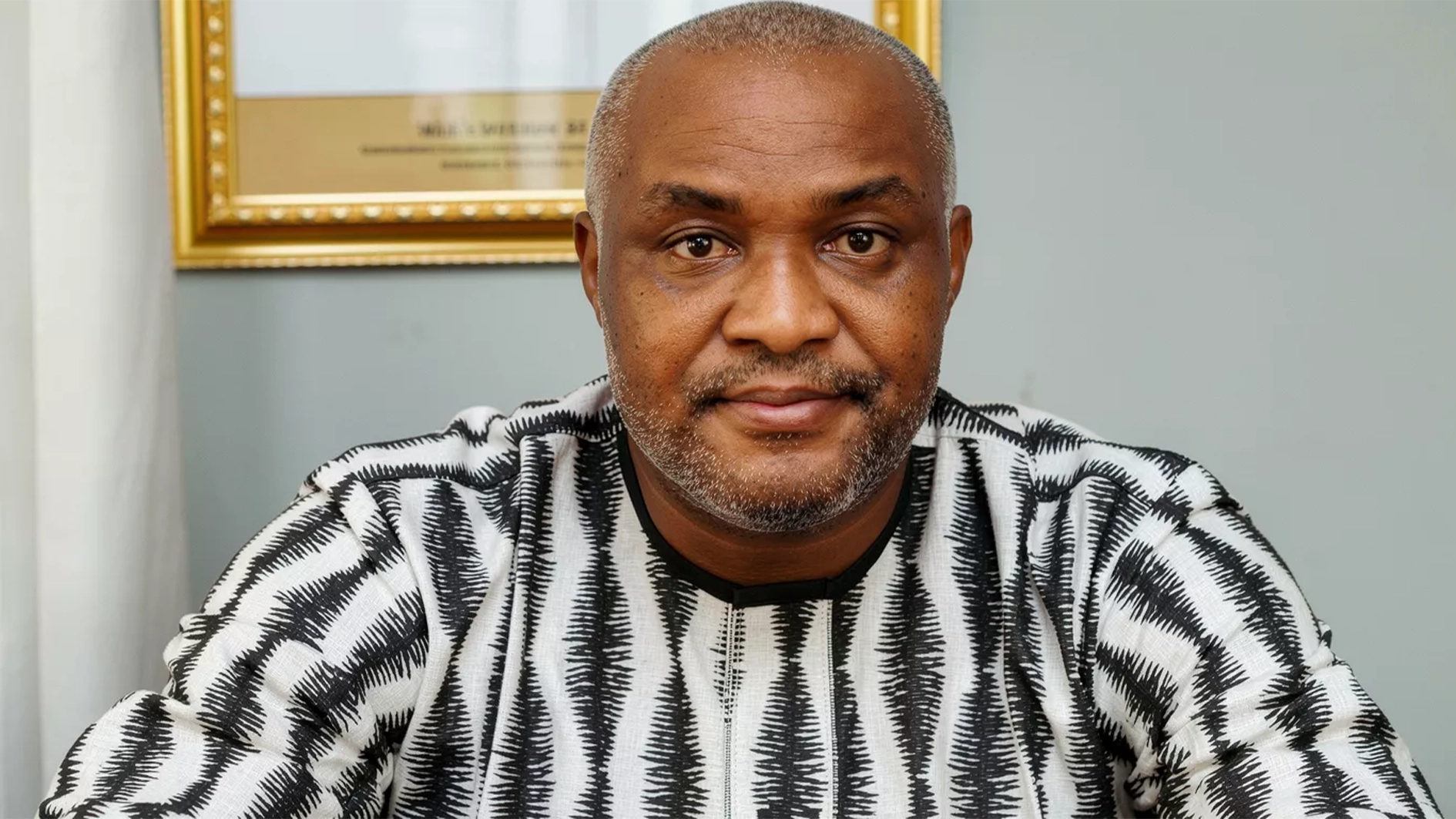
The Human Rights Writers Association of Nigeria has given the Economic and Financial Crimes Commission (EFCC) seven days to explain its silence on corruption allegations involving former Delta State Governor, Ifeanyi Okowa.
The rights group urged the anti- graft agency to provide a full public account of the circumstances surrounding the arrest and detention of the former governor.
In a statement issued in Abuja by its national coordinator, Emmanuel Onwubiko, HURIWA recalled that Okowa was reportedly invited, arrested, and questioned by the EFCC in November 2024 over allegations linked to the management of 13per cent derivation funds during his tenure.
Figures in public discourse suggest possible financial impropriety running into trillions of naira.
The civil rights group expressed concern that after the initial high-profile intervention by the anti-graft agency, the matter appears to have gone quiet, with no clear updates on investigation outcomes or prosecution.
HURIWA noted that the apparent lull in the case has coincided with Okowa’s defection to the ruling All Progressives Congress (APC) in October 2025, raising serious questions about the independence and consistency of anti-corruption enforcement in Nigeria.
The association said the timing has fueled public suspicion that political considerations may be influencing the trajectory of corruption cases.
The group issued a seven-working-day ultimatum to the EFCC to either initiate visible prosecution proceedings or provide Nigerians with a clear explanation as to why the case has not progressed.
Failure to respond within this timeframe would compel HURIWA to mobilise civil society organizations for peaceful protests at EFCC offices nationwide to demand accountability.
HURIWA further questioned whether Nigeria is drifting toward a system where allegations of corruption are effectively neutralised once politically exposed persons align with the ruling party.
It referenced past public comments by Adams Oshiomhole suggesting that political defections could influence the treatment of corruption allegations, asking pointedly whether such a precedent has been applied in Okowa’s case.
“Has the alleged financial misconduct linked to Ifeanyi Okowa been quietly forgiven on account of political realignment?” HURIWA queried, warning that such a perception, if left unaddressed, could erode public trust in democratic institutions and the rule of law.
The association also noted that the concerns raised in the Okowa matter reflect a broader pattern of public anxiety over the handling of high-profile corruption allegations.
The group recalled that Senate President, Godswill Akpabio, had at different times been invited and questioned by the EFCC over allegations linked to his tenure as governor of Akwa Ibom State, yet many of those cases have not resulted in clearly communicated prosecution outcomes. HURIWA stressed that while allegations do not amount to guilt, the absence of transparent closure in such high-profile cases continues to fuel public suspicion and weaken confidence in the anti-corruption framework.
According to the group, Nigeria’s democratic future depends on building a culture of accountability, particularly as the country looks ahead to future electoral cycles, including the 2027 general elections. It stressed that individuals seeking public office, especially legislative roles, should be free of unresolved corruption allegations.
To address this, HURIWA proposed that the EFCC introduce a formal “Certificate of Clearance” system, requiring all political aspirants to obtain certification confirming they have no pending corruption cases.
The group suggested that the EFCC should also maintain and publish a regularly updated public register of individuals under investigation, to enhance transparency and enable informed electoral choices by Nigerians.
HURIWA disclosed that it is considering pushing for legislative backing to institutionalize such reforms, arguing that Nigeria is at a critical crossroads where the integrity of its political and governance systems must be strengthened.
The association concluded by urging the EFCC to act decisively and transparently in the Okowa matter, stating that the credibility of Nigeria’s anti-corruption fight depends not only on initiating investigations but on seeing them through without fear or favour

