 Follow Us on Google News


 Follow Us on Google Discover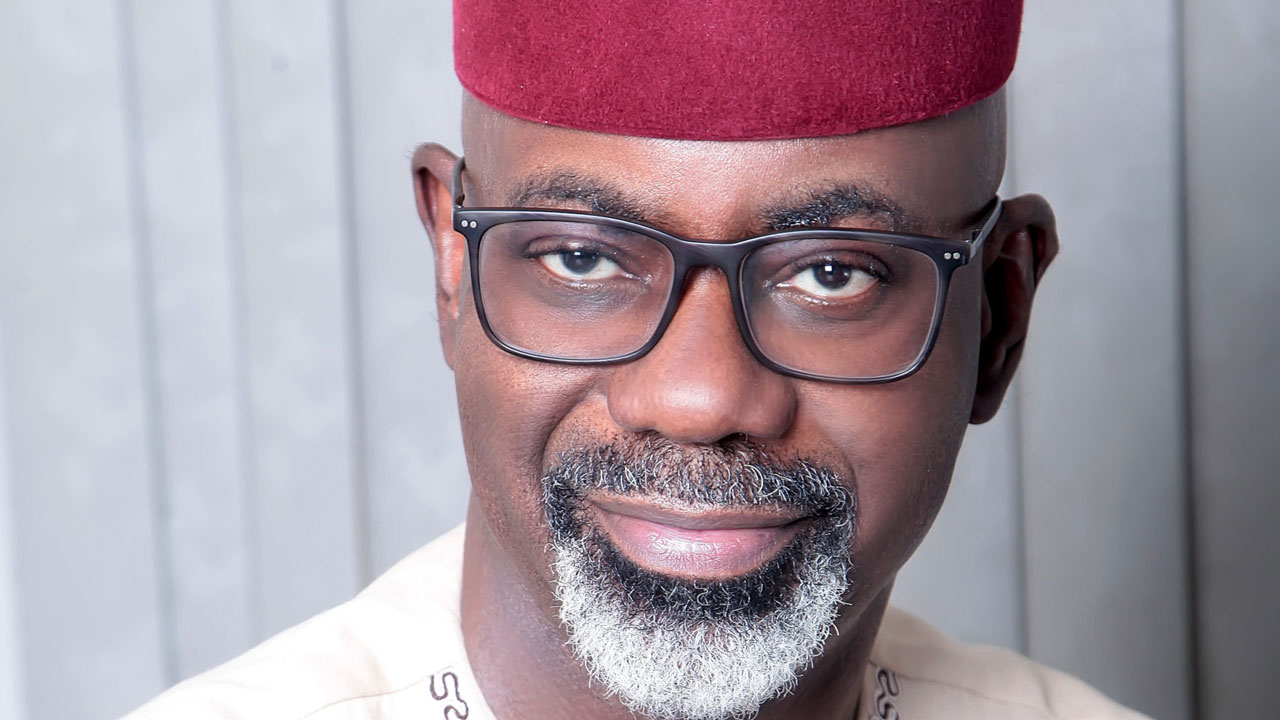
Former Cross River State Governor and Senator, Liyel Imoke, has urged African governments to move Social and Emotional Learning (SEL) from the margins of education reform into binding national policy frameworks, warning that systems that prioritise infrastructure and certificates over human development risk undermining long-term academic and economic growth.
Imoke made the call at the Pan-African Convening on Social and Emotional Learning (PACSEL), hosted by the Learning Craft Foundation, theme “For outcomes that matter: Uniting Minds, Shaping Hearts, Inspiring Change,” held in Lagos.
In his keynote address, Imoke said Africa’s education systems have recorded gains in enrolment, literacy and access to tertiary education, yet continue to struggle with youth unemployment, declining workplace readiness, rising school violence and growing mental health challenges among young people. According to him, the disconnect reflects decades of policy focus on access and examinations, with little attention paid to what happens “inside the hearts and minds of children.”
“An education that sharpens the intellect but neglects the soul is not an education at all,” Imoke said, describing social and emotional learning as a foundation for academic success rather than a distraction from it. He argued that competencies such as self-awareness, empathy, resilience, ethical decision-making and collaboration are no longer “soft skills” but essential life and economic skills.
Drawing on his experience in governance, Imoke said schools ultimately respond to what policy incentives reward. Where systems emphasise test scores and compliance, he noted, schools produce certificates rather than citizens.
He said reforms that prioritise safe learning environments, teacher support, leadership development and student responsibility have been shown to improve discipline, reduce drop-out rates and strengthen academic outcomes over time.
“Social and emotional learning cannot scale through goodwill alone,” he said, stressing that reforms not institutionalised in policy rarely survive changes in funding or leadership. He called for SEL to be explicitly named in national education policies, curriculum frameworks, teacher standards, inspection systems and budgetary allocations, adding that what is not funded or measured remains peripheral.

Founder, Learning Craft Foundation, Rhoda Odigboh, said the event was designed to reframe education around the “whole child.” She explained that the foundation’s LAW framework; Life skills, Academics and Well-being, responds to education systems that largely remember only the cognitive dimension of learning.
“When you educate a person, you educate the whole human being, cognitive, emotional, social, physical and spiritual,” Odigboh said.
She added that participants were expected to leave with practical ideas for integrating social and emotional competencies into classrooms, schools and policy spaces.
Odigboh acknowledged that while SEL initiatives have gained international recognition, policy adoption at national levels has been slower. She attributed this partly to governments lacking clear pathways, tools and resources for implementation, noting that the foundation is engaging with state and national actors across Africa to demonstrate evidence and support system-wide adoption.
Director for Education and Skills, Organisation for Economic Co-operation and Development (OECD), Andreas Schleicher, said global assessments such as PISA have increasingly incorporated social and emotional dimensions, including wellbeing, agency, resilience and engagement with school. He noted that measurement, when carefully designed, helps systems pay attention to what they value without reducing learning to narrow test scores.
Schleicher added that successful education reforms integrate SEL by redefining what counts as learning, embedding it in curricula, teacher education and whole-school culture rather than treating it as an optional programme.
Co-founder and chief executive of Big Bad Boo Studios, Aly Jetha, said Africa’s rich storytelling traditions provide a strong foundation for teaching empathy, cooperation and citizenship at scale, provided they are intentionally aligned with evidence-based frameworks and classroom practice.
Founder and Chief Executive Officer, Chelis Group, Tina Udoji, said Nigeria’s education discourse remains overly focused on academic performance, often ignoring the emotional realities children bring from their homes and communities. She described policy as the most critical barrier to scaling SEL, arguing that until governments move beyond visible infrastructure projects, reforms that address children’s wellbeing will struggle to gain traction.

