 Follow Us on Google News
 Follow Us on Google Discover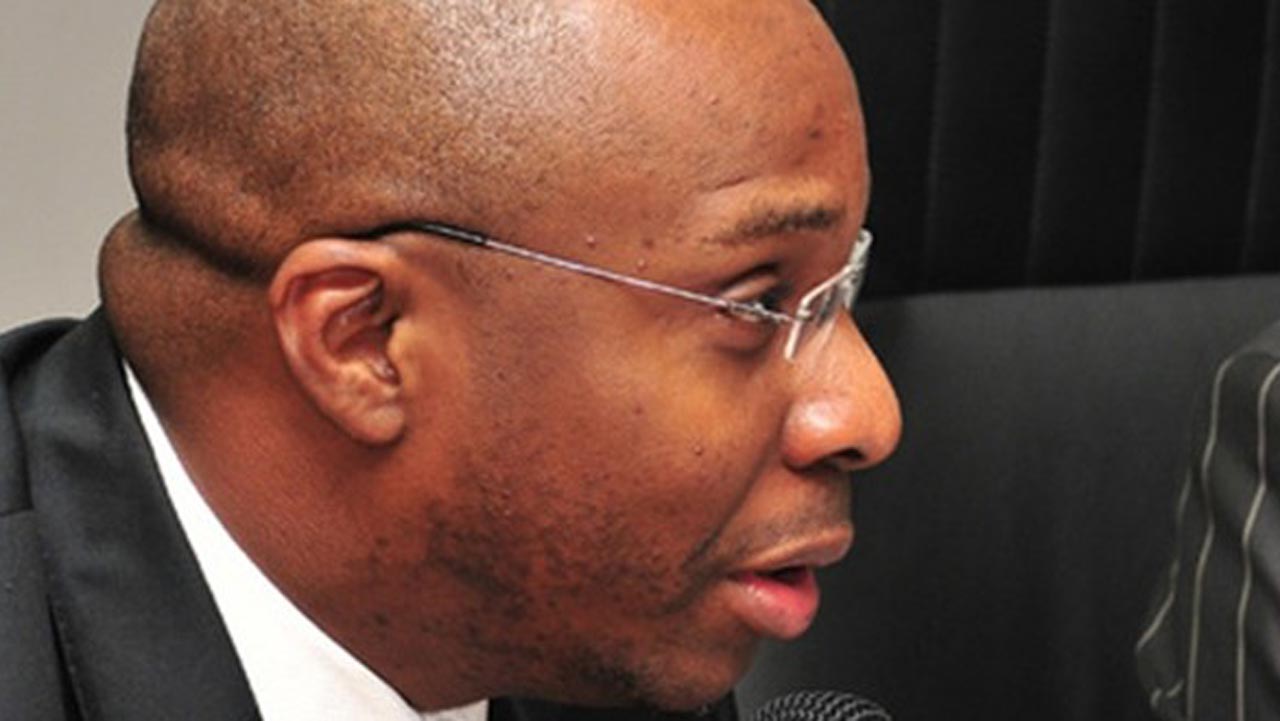
Group Chief Economist and Managing Director of Research and Trade Intelligence at Afreximbank, Dr Yemi Kale, has warned that Nigeria and the entire African continent may struggle to achieve meaningful economic growth unless it shifts from a trade architecture that remains structurally extractive to one that promotes deeper integration and value addition across the continent.
At the 2026 Ecobank Customer Forum held in Lagos yesterday, Kale noted that although Africa possessed the endpoints of a modern growth model, abundant commodities and a rapidly expanding consumer base, it lacked the ‘middle layer’ of manufacturing depth, processing capacity and intermediate goods trade needed to convert resources and demand into competitive exports.
Speaking on the theme: ‘Strengthening Regional Integration for Economic Transformation’, Kale observed that Africa still accounted for less than three per cent of global trade despite decades of liberalisation, arguing that the binding constraint was limited production integration rather than tariff barriers alone.
He pointed out that the continent’s export model remained heavily skewed toward raw and semi-processed commodities, while finished and higher-value manufactured goods are largely imported, including products that could be produced locally.
He also disclosed that intra-African trade had remained between 14 and 16 per cent of total trade, ranking below levels in Europe and Asia, both above 60 per cent.
He cited weak regional value chains, limited cross-border industrial complementarity and persistent frictions in logistics, payments and standards as bottlenecks to the development of an integrated production system.

Kale also listed shallow manufacturing depth, fragile supplier networks, unreliable energy systems and underdeveloped logistics backbones as factors preventing the emergence of competitive intermediate goods trade.
The structural import dependence, according to him, fuels chronic foreign exchange outflows and reinforces currency vulnerability during global risk-off cycles, while commodity-led growth generates weaker employment multipliers compared to manufacturing-driven economies.
Kale further drew attention to a trade finance gap estimated at between $90 billion and $120 billion yearly across Africa, noting that small and medium-scale enterprises, which account for more than 80 per cent of businesses, remained systematically excluded. He said commercial banks often de-risk smaller cross-border transactions, while hard currency scarcity constrains intra-African settlement and correspondent banking retrenchment limits local banks’ capacity.
Treasurer of Ecobank Nigeria, Olumide Adebayo, said the programme was organised to provide a platform for stakeholders to examine key macroeconomic issues as the country approaches a pre-election year.
Adebayo said that while the reforms had advanced, lingering concerns remained, particularly among businesses and investors who tend to adopt a cautious stance in the run-up to elections.

