 Follow Us on Google News
 Follow Us on Google Discover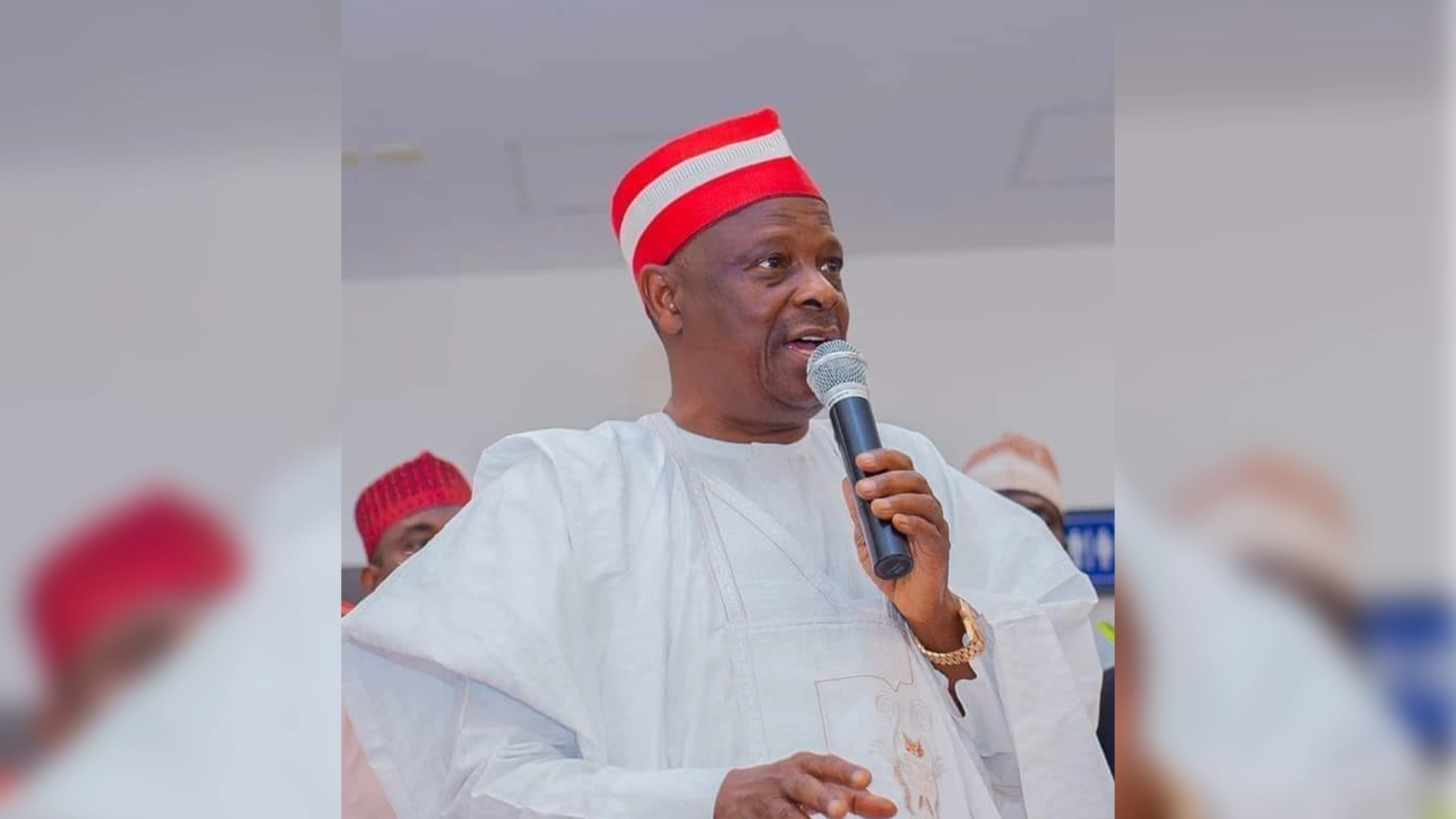
Former Kano State Governor and leader of the New Nigeria People’s Party (NNPP), Rabiu Musa Kwankwaso, has strongly denied allegations that he is secretly working in favour of President Bola Ahmed Tinubu, describing the claim as baseless and politically motivated.
The denial follows comments attributed to the Kano State Government spokesman, who alleged that Kwankwaso’s recent political posture and influence within opposition politics may be indirectly strengthening the ruling All Progressives Congress (APC) and potentially benefiting Tinubu’s political interests ahead of future elections.
Kwankwaso, a key figure in Nigeria’s opposition politics and founder of the influential “Kwankwasiyya” political movement, rejected the accusation, insisting that his political activities remain independent and focused on national development rather than any alliance with the presidency.
According to the NNPP camp, the suggestion that he is working for Tinubu is an attempt to misrepresent his political stance and create confusion among supporters, particularly in Kano State where political rivalries remain intense.
The controversy reflects the deepening political tension in Kano, one of Nigeria’s most politically competitive states, where the NNPP, APC, and other political actors continue to struggle for dominance ahead of future elections.
Observers note that Kwankwaso remains one of the most influential political figures in Northern Nigeria, with a strong grassroots following that continues to shape electoral outcomes in the region. His political movement has remained a central force in Kano politics since the 2023 elections, when the NNPP gained significant control in the state.

Supporters of the former governor maintain that he has consistently positioned himself as an opposition voice, critical of federal policies when necessary, and not aligned with the current administration.
The Kano State Government, however, has continued to engage in political exchanges with opposition figures in the state, contributing to ongoing public debate and rival narratives between the ruling and opposition camps.
As political positioning gradually builds toward future elections, analysts say such allegations and counter-allegations are likely to remain part of Nigeria’s increasingly heated political discourse.

