 Follow Us on Google News
 Follow Us on Google Discover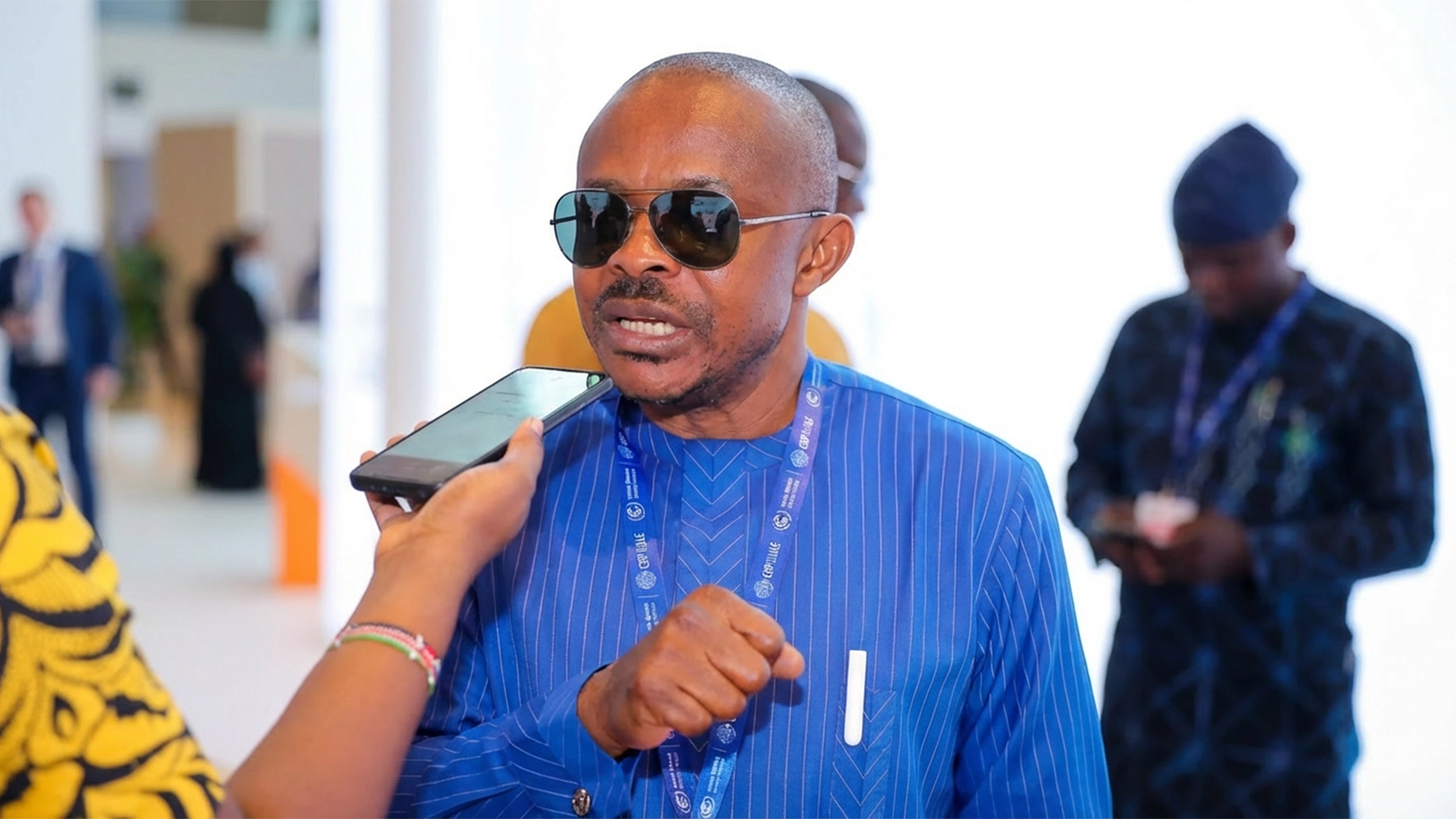
Organised labour movement has asked the federal and state governments to implement economic relief measures for workers amid rising insecurity and inflation eroding their incomes.
This comes as the negotiations for a new national minimum wage are expected to begin next month.
Speaking on the sidelines of the ongoing International Labour Conference (ILC) organised by the International Labour Organisation (ILO) at the Palais du Nation, Geneva, the President of the Nigeria Labour Congress (NLC), Joe Ajaero, said Nigerian workers deserve monetary compensation for the growing hardship in the country.
He said: “We, once again, demand immediate relief measures by governments at all levels until the new minimum wage is signed into law. We also reject outright any attempt to tax the minimum wage or to levy further burdens on the poor.”
He hinted that negotiations over the new national minimum wage would start in July as the current national wage of N70,000 would expire next year.
President Bola Tinubu signed the revised national wage in July 2024, more than doubling the previous N30,000, set in 2019 by late President Muhammadu Buhari.

With the exchange rate hovering around N1,400 to the dollar, labour insisted that, unlike in 2024 negotiations, the next deal will be based on prevailing economic realities and purchasing power parity.
While rejecting the N100,000 suggested by the Chairman of the Nigeria Governors Forum, AbdulRahman AbdulRazaq, Ajaero argued that the governors had indicated they had the capacity to pay well above N100,000 presently.
Ajaero disclosed that both the NLC and the Trade Union Congress (TUC) would write an official letter to the Federal Government informing it of the need to begin the process in July to avoid delays as witnessed in the past.
The National Minimum Wage law prescribes the constitution of a negotiation committee that draws its membership from the Federal Government, one state per geopolitical zone, TUC and NLC.
Ajaero added: “The current Act expires early next year, and renegotiation will commence by July 2026 to avoid the painful delays of the past. As soon as we leave here, we shall write again to the government demanding the commencement of the process for renegotiating the national minimum Wage. We demand nothing less than a genuine living wage that reflects today’s harsh economic realities.”
The minimum wage debate draws attention from international bodies, including the International Labour Organisation, which has previously emphasised compliance with fair wage standards and collective bargaining principles under international labour conventions.

