 Follow Us on Google News
 Follow Us on Google Discover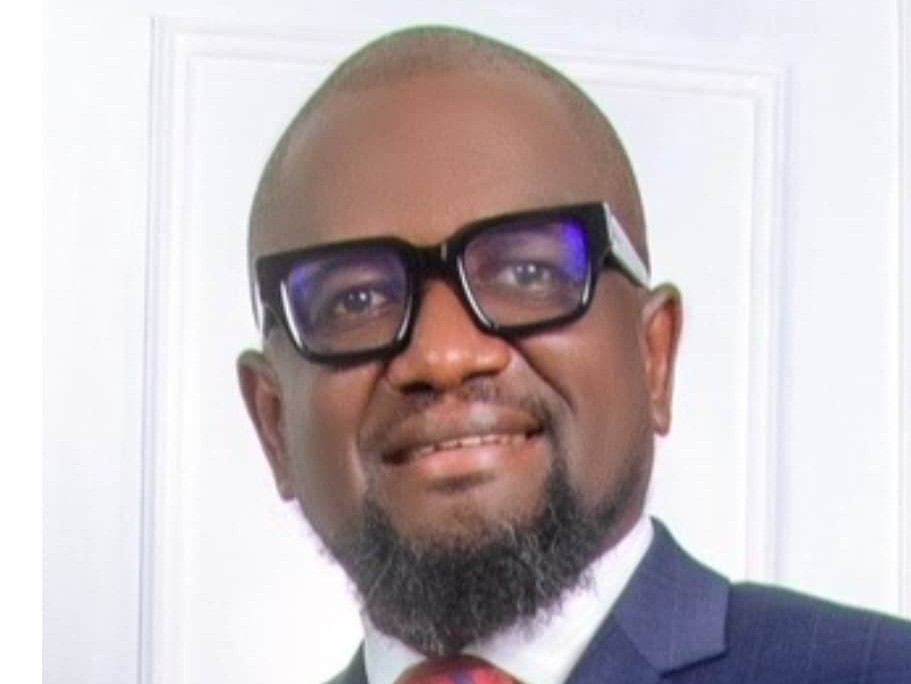
In Nigeria’s long-running struggle with energy access, most national discourse has focused on large-scale projects, grid expansion, and policy bottlenecks. Yet, for millions of rural and underserved citizens, access to safe and reliable energy remains as distant as ever. In this context, one entrepreneur is quietly redrawing the map—not with megawatts or political grandstanding, but through a community-centred model that places people at the heart of the energy conversation.
Adedipupo David Laoye, a seasoned financial and energy sector professional, is behind a growing network of ventures targeting gaps that major players often sidestep. His approach, rooted in inclusivity, innovation, and economic empowerment, is delivering clean energy solutions to the last mile—and, in the process, challenging conventional ideas of what energy access in Nigeria can be.
A chartered accountant with an Executive MBA from IE Business School in Madrid, Laoye’s background includes expertise in oil trading, logistics, and regulatory compliance. But it is his work in community energy distribution that is attracting attention across industry circles.
At the helm of VIDCAS Atmosafe Energy and Utilities Development, Laoye is bringing Liquefied Petroleum Gas (LPG) to off-grid communities often reliant on firewood and kerosene. From modular LPG plants to mobile skids and doorstep delivery systems, VIDCAS delivers clean cooking fuel in locations traditionally written off as commercially unviable. The result is not just access to cleaner energy—it is the emergence of new micro-enterprises, largely driven by women and youth, who now operate as local distributors and safety advocates.
Laoye says his motivation goes beyond policy compliance. “Energy access is a human right. It affects health, education, livelihoods—everything. If you can solve that, you begin to solve poverty,” he told a small group of energy professionals during a recent policy roundtable.
His model aligns with Nigeria’s Gas Expansion Programme and the broader Decade of Gas agenda. However, unlike top-down models, VIDCAS focuses on context-specific adaptation, matching infrastructure to geography, and delivery to social realities.
Complementing this is XPAR8 Hedge International Energy, a logistics and trading firm that offers indigenous operators access to trade financing and fuel haulage solutions. XPAR8 has facilitated deliveries for major national infrastructure projects, including diesel supplies for contractors on the NLNG Train 7 project. The company also employs digital tracking systems that monitor fuel movement and ensure transparency, features Laoye says are essential in restoring trust to a sector long plagued by opacity.
In addition to these ventures, ADL Professional Services supports SMEs and public institutions with regulatory advisory and compliance services. Many small energy businesses, Laoye argues, are hamstrung not by lack of ambition but by red tape. “A lot of them have the vision but not the institutional knowledge to scale. That’s where we come in,” he said.
These initiatives are bound by a shared ethos: development must be inclusive. In conflict-affected and displaced communities, where Laoye’s models are being piloted, clean energy provision has had secondary effects—stabilising livelihoods, restoring dignity, and creating economic opportunities.
He has been recognised internationally for his work, including being named an Eminent Peace Ambassador by the International Association of World Peace Advocates.
What distinguishes Laoye’s contribution is his insistence that clean energy delivery need not sacrifice business viability. By structuring operations to be both impact-driven and commercially sound, he offers a template for replicable models in other parts of sub-Saharan Africa.
As Nigeria edges towards broader energy transition goals, experts say grassroots efforts like Laoye’s may hold the key to sustainable and inclusive energy systems. His success suggests that solving energy poverty requires not just political will or global capital, but empathy, adaptability, and a willingness to serve where others don’t.
“In rural areas, we’re not just delivering gas—we’re delivering trust, dignity, and a future,” Laoye says.
If there is one lesson in his story, it is this: when energy becomes a tool for empowerment rather than just a commodity, its true value begins to emerge—not in kilowatts, but in changed lives.

